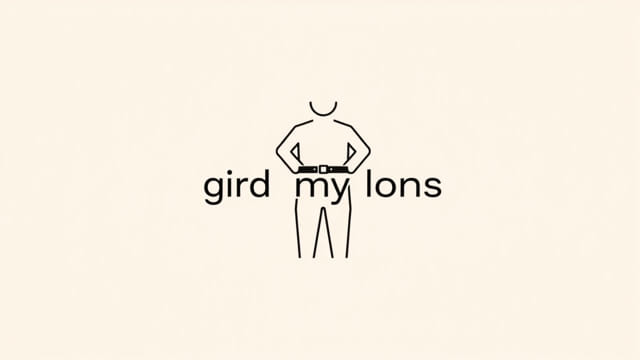
The phrase ‘gird my loins’ may sound unfamiliar or archaic to many people today, but it carries a deep historical and metaphorical significance. Originating from ancient times, this expression has been used in literature, religious texts, and everyday speech to convey a sense of preparing oneself mentally or physically for a difficult task or challenge ahead. Understanding the meaning and origins of ‘gird my loins’ helps us appreciate how language evolves while preserving vivid images from the past that still inspire determination and readiness in modern contexts.
What Does ‘Gird My Loins’ Mean?
To ‘gird one’s loins’ means to prepare oneself for action or confrontation, often implying that the upcoming challenge will require strength, courage, or resolve. The phrase suggests a mental or physical readiness to face hardship, adversity, or an important undertaking. When someone says they need to ‘gird their loins,’ they are essentially getting ready to tackle something difficult with determination.
Literal Origins of the Phrase
The phrase originally comes from the practice of ancient people who wore long robes or tunics. To move freely or engage in physical activity such as battle, they needed to gather up and secure the loose fabric around their waist. This was done by ‘girding’ or tying a belt or sash tightly around their loins the area around the hips and lower abdomen to prevent tripping or restriction of movement.
This act of securing the clothing was essential before engaging in any physically demanding or dangerous activity. Hence, ‘girding the loins’ became synonymous with preparing oneself for a serious or challenging endeavor.
Historical and Cultural Context
The phrase ‘gird my loins’ appears multiple times in ancient texts, most notably in the Bible, where it is used metaphorically to describe readiness and strength. For example, in the King James Version of the Bible, expressions like ‘gird up the loins of thy mind’ encourage believers to mentally prepare for trials ahead.
In ancient times, girding the loins was a practical step before battle, travel, or strenuous work. This physical preparation also symbolized the mental and emotional preparation necessary for facing danger or difficult situations.
Examples from Literature and Scripture
- In the Bible:The phrase appears in several places, such as in 1 Peter 1:13: ‘Wherefore gird up the loins of your mind, be sober, and hope to the end for the grace that is to be brought unto you.’
- In classical literature:Ancient poets and writers sometimes referenced girding the loins as a metaphor for courage or readiness before a battle or significant event.
- In modern usage:Though less common, some authors or speakers use the phrase to evoke a sense of preparing for challenge or adversity with strength.
How Is ‘Gird My Loins’ Used Today?
While ‘gird my loins’ may sound old-fashioned, it is still used today often in a figurative sense to express the idea of bracing oneself or preparing mentally for something challenging. For example, someone might say, ‘I need to gird my loins before the big presentation,’ meaning they are getting ready to face a stressful or demanding situation.
The phrase brings a dramatic and somewhat heroic tone to the idea of preparation, making it appealing in writing, speeches, or storytelling. It highlights the seriousness or importance of what lies ahead and emphasizes personal resolve.
Modern Synonyms and Alternatives
In contemporary language, ‘gird my loins’ can be replaced by several phrases that convey similar meanings:
- Prepare myself
- Brace myself
- Steel myself
- Get ready
- Gear up
However, none of these alternatives carry quite the same vivid imagery or historical depth as ‘gird my loins.’
Why Understanding This Phrase Matters
Knowing the meaning and origin of phrases like ‘gird my loins’ enriches our understanding of language and history. It reveals how expressions can carry vivid stories from the past, shaping how we communicate emotions, determination, and preparation.
For writers, speakers, and language enthusiasts, using such phrases can add color and emphasis to their message. For learners of English or readers of classic literature, understanding these idioms is crucial to grasping the full nuance of a text.
Tips for Using ‘Gird My Loins’ Correctly
- Use it when talking about preparing for a difficult or challenging situation.
- Remember that it often implies a mental or emotional readiness, not just physical.
- It works well in formal or literary contexts due to its archaic tone.
- Pair it with situations that require courage, effort, or determination.
Summary
‘Gird my loins’ is an evocative phrase rooted in ancient customs of preparing oneself physically by securing loose garments to move freely and safely. Over time, it evolved into a metaphor for mental and emotional readiness before facing challenges. Though somewhat old-fashioned, the phrase still holds power and poetic resonance today, making it a unique and meaningful way to express the act of bracing oneself for what lies ahead.
Whether you encounter this phrase in religious texts, classic literature, or modern speech, understanding its meaning helps you appreciate the determination and strength it conveys. Next time you find yourself facing a tough task or daunting challenge, you might say, ‘It’s time to gird my loins’ connecting yourself to a long tradition of readiness and courage.