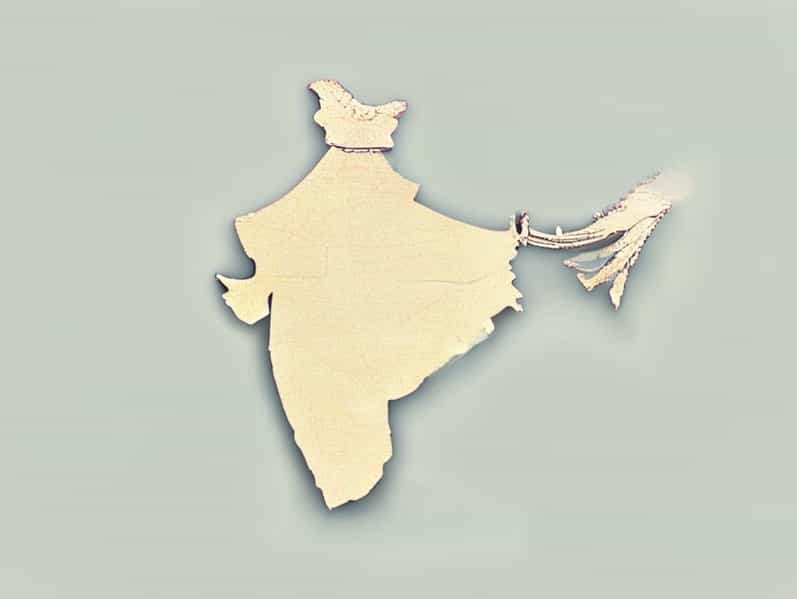
India is one of the most diverse countries in the world, not only in terms of culture, language, and geography, but also in its administrative structure. Many people often ask how many states and UT in India because the number has changed over time due to reorganization, state formation, and political decisions. Understanding this structure helps in learning how India is governed and how its vast population is managed across different regions.
Understanding the Administrative Structure of India
India follows a federal system of government, which means that power is divided between the central government and regional governments. The country is divided into states and Union Territories, often abbreviated as UT. Each has a different level of autonomy and governance, which plays an important role in administration.
The Constitution of India defines how states and Union Territories function and how authority is shared between them and the central government.
How Many States and UT in India Today
As of now, India has a total of 28 states and 8 Union Territories. This structure was shaped by historical events, linguistic diversity, and administrative needs.
The number of states and UT in India has not always been the same. Over the years, new states have been created and some Union Territories have been reorganized to improve governance and representation.
What Is a State in India
A state in India has its own elected government, including a Chief Minister and a legislative assembly. States enjoy significant autonomy in managing local matters such as education, health, agriculture, and law and order.
Each state also has a Governor, who is appointed by the President of India. The Governor acts as a constitutional head and represents the central government at the state level.
List of States in India
India currently has 28 states, each with its own unique identity, language, and culture. These states vary widely in size, population, and economic development.
- Andhra Pradesh
- Arunachal Pradesh
- Assam
- Bihar
- Chhattisgarh
- Goa
- Gujarat
- Haryana
- Himachal Pradesh
- Jharkhand
- Karnataka
- Kerala
- Madhya Pradesh
- Maharashtra
- Manipur
- Meghalaya
- Mizoram
- Nagaland
- Odisha
- Punjab
- Rajasthan
- Sikkim
- Tamil Nadu
- Telangana
- Tripura
- Uttar Pradesh
- Uttarakhand
- West Bengal
What Is a Union Territory in India
Union Territories are regions that are governed directly by the central government of India. Unlike states, UTs have limited autonomy. This system is often used for regions that are small, strategically important, or culturally distinct.
Some Union Territories have their own legislatures, while others are administered entirely by an appointed Lieutenant Governor or Administrator.
List of Union Territories in India
There are currently 8 Union Territories in India. Each has a unique administrative setup depending on its size and population.
- Andaman and Nicobar Islands
- Chandigarh
- Dadra and Nagar Haveli and Daman and Diu
- Delhi (National Capital Territory of Delhi)
- Jammu and Kashmir
- Ladakh
- Lakshadweep
- Puducherry
Difference Between States and Union Territories
The main difference between states and Union Territories lies in the level of self-governance. States have full-fledged elected governments, while UTs are largely governed by the central government.
However, Union Territories like Delhi and Puducherry have special provisions that allow them to have elected legislatures, though their powers are still more limited compared to states.
Why Does India Have Union Territories
Union Territories exist to ensure effective governance of regions that may not be suitable to function as full states. Some UTs are former colonial enclaves, while others are geographically isolated or have low populations.
This arrangement allows the central government to directly manage critical areas such as national capitals, border regions, and island territories.
Historical Changes in the Number of States and UT
Since independence in 1947, India has undergone several reorganizations. The States Reorganization Act of 1956 was a major milestone, as it reorganized states mainly on linguistic lines.
More recently, the creation of Telangana in 2014 and the reorganization of Jammu and Kashmir in 2019 significantly changed the number of states and Union Territories.
Importance of Knowing How Many States and UT in India
Understanding how many states and UT in India is important for students, job aspirants, and anyone interested in Indian politics or geography. This information is frequently asked in competitive exams and general knowledge assessments.
It also helps citizens understand how administrative responsibilities are distributed across the country.
Role of States and UT in Indian Democracy
States play a crucial role in India’s democratic system by representing regional interests and cultural identities. They help ensure that governance is not overly centralized.
Union Territories, on the other hand, allow the central government to maintain direct control over strategically important or sensitive regions.
Challenges in Managing a Large Federal Structure
Managing 28 states and 8 Union Territories is not without challenges. Differences in development, language, and regional priorities can sometimes create administrative and political tensions.
However, the federal structure also allows flexibility and regional adaptation, which is essential for a country as large and diverse as India.
Future Possibilities of Reorganization
The question of how many states and UT in India may change again in the future. Demands for new states or changes in administrative status continue to emerge from time to time.
Any such change requires constitutional amendments and careful consideration of political, economic, and social factors.
To clearly answer the question of how many states and UT in India, the country currently has 28 states and 8 Union Territories. This structure reflects India’s historical evolution, cultural diversity, and administrative needs.
Understanding this division provides valuable insight into how the world’s largest democracy functions. As India continues to grow and evolve, its administrative framework may also adapt, but the balance between unity and regional diversity will remain a defining feature of the nation.