Music notation can feel confusing at first, especially when learners encounter questions like how many quavers are there in a semibreve. This type of question is common among beginners, students preparing for music exams, and even adults returning to music after a long break. Understanding note values is a foundational skill in reading and performing music, and once the relationships between notes become clear, rhythm starts to feel much more natural and logical.
Understanding Basic Note Values in Music
To answer how many quavers are there in a semibreve, it is important to understand how musical note values work. In standard Western music notation, notes represent both pitch and duration. The duration tells us how long a note should be held compared to other notes.
Each note value is related mathematically to others, usually by dividing or doubling the length. This system allows musicians to read rhythm accurately across different time signatures and tempos.
What Is a Semibreve?
A semibreve is one of the longest commonly used note values in music notation. In American terminology, it is known as a whole note. The semibreve is often used as a reference point when learning rhythm because many other notes are defined in relation to it.
Visually, a semibreve appears as an open oval without a stem. Its length typically fills an entire bar in common time, depending on the time signature.
Semibreve Duration in Common Time
In a 4/4 time signature, which is very common in Western music, a semibreve lasts for four beats. This makes it an ideal starting point for understanding rhythmic division.
What Is a Quaver?
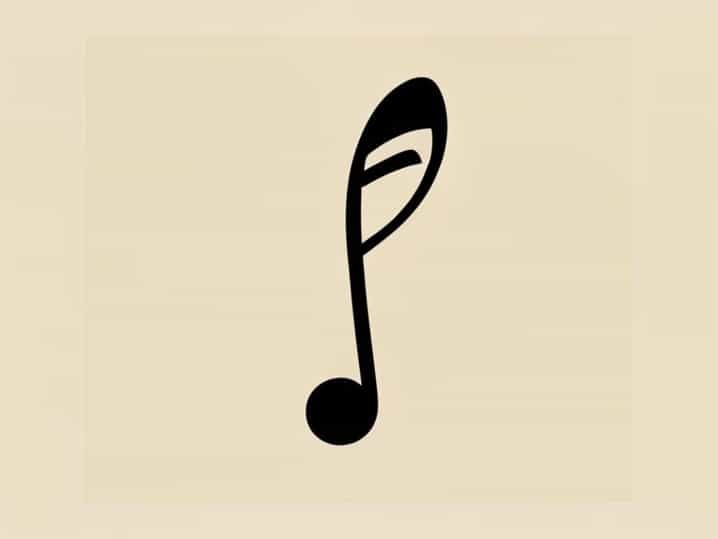
A quaver is a much shorter note value compared to a semibreve. In American terminology, a quaver is called an eighth note. It usually appears with a filled-in note head and a single flag or beam.
Quavers are frequently used in melodies, rhythms, and accompaniments because they allow for more movement and detail within a musical phrase.
Quaver Duration Explained
A quaver lasts for half of a crotchet, which is also known as a quarter note. This means quavers move at a faster rhythmic pace and are often grouped together.
The Relationship Between Semibreves and Quavers
Now we come to the core question how many quavers are there in a semibreve? To find the answer, we look at how note values divide.
A semibreve can be divided into two minims, four crotchets, eight quavers, sixteen semiquavers, and so on. Each step halves the duration of the previous note.
The Clear Answer
There are eight quavers in a semibreve. This relationship remains consistent regardless of tempo, because tempo affects speed, not proportional duration.
Whether the music is slow or fast, the ratio stays the same one semibreve equals eight quavers.
Breaking It Down Step by Step
For learners who prefer a logical breakdown, it helps to move through each note value gradually.
- 1 semibreve equals 2 minims
- 1 minim equals 2 crotchets
- 1 crotchet equals 2 quavers
When you multiply these divisions together, you get eight quavers in a semibreve.
Why This Relationship Matters
Understanding how many quavers are there in a semibreve is not just about memorizing numbers. It helps musicians read rhythms accurately and perform with confidence.
When reading sheet music, recognizing how long each note lasts allows players to stay in time with others and interpret rhythms correctly.
Using Quavers and Semibreves in Real Music
In real musical pieces, semibreves and quavers often appear together. A semibreve might be held in one instrument while another plays a series of quavers, creating contrast and texture.
This layering of note values is what gives music its rhythmic interest and emotional depth.
Practical Performance Example
Imagine a piano piece where the left hand holds a semibreve chord while the right hand plays eight quavers. Knowing that those eight quavers fit exactly into the duration of the semibreve helps the performer stay coordinated.
Time Signatures and Note Values
While the relationship between a semibreve and quavers stays constant, how they fit into a bar can change depending on the time signature.
In 4/4 time, a semibreve fills the entire bar. In other time signatures, such as 3/4 or 6/8, the placement and grouping may look different, but the total duration remains the same.
Quavers in Compound Time
In compound time signatures like 6/8, quavers are often grouped in threes rather than twos. Even so, eight quavers still equal one semibreve in total duration.
Common Mistakes Beginners Make
Many beginners confuse note names or mix British and American terminology. This can make the question how many quavers are there in a semibreve seem harder than it really is.
Another common mistake is thinking tempo changes note values. Tempo only changes how fast the music is played, not the mathematical relationships between notes.
Tips for Remembering Note Relationships
One effective way to remember note values is to think in halves. Each smaller note is half the length of the previous one.
Clapping rhythms or counting aloud can also reinforce these relationships. For example, counting eight evenly spaced claps while holding a semibreve can make the concept more concrete.
Practice Exercise
Try clapping one long clap for a semibreve, then clapping eight quick claps for quavers. Feeling the time physically can help the concept stick.
Why Music Theory Uses These Names
The terms semibreve, minim, crotchet, and quaver come from historical notation systems. While the names may seem unusual, they reflect the relative size and function of each note.
Understanding these terms makes it easier to communicate with other musicians and follow written music instructions.
The Role of Quavers in Rhythm and Groove
Quavers play a major role in creating rhythm and groove. They allow composers and performers to add motion and excitement to music.
Knowing exactly how quavers fit into larger note values like semibreves helps musicians control pacing and expression.
Learning Music Becomes Easier With Foundations
Questions like how many quavers are there in a semibreve may seem simple, but they form the foundation of rhythmic understanding. Without this knowledge, more complex rhythms become difficult to manage.
Once the basics are clear, learning dotted notes, triplets, and syncopation becomes much more approachable.
The answer to how many quavers are there in a semibreve is eight, and this relationship is a cornerstone of music theory. It applies across instruments, styles, and time signatures.
By understanding how semibreves and quavers relate to each other, musicians gain confidence in reading rhythms, playing in time, and enjoying music more fully. This simple concept opens the door to a deeper appreciation of rhythm and structure in music.