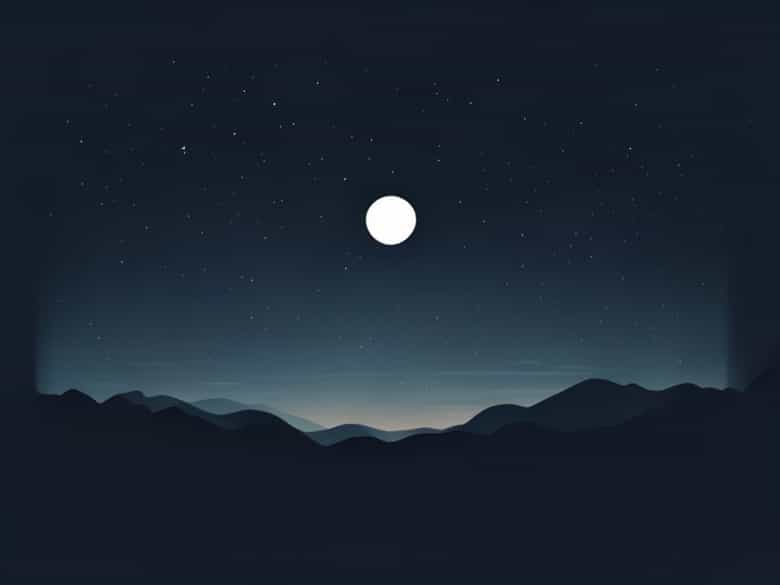
Nightfall is a word that feels calm, descriptive, and slightly poetic, yet it is also very practical in everyday language. People use it to describe a familiar moment that happens every single day, when daylight slowly fades and darkness begins to take over. Although many people understand nightfall intuitively, its meaning becomes richer when explored through language, daily use, science, and cultural expression. Understanding what nightfall truly means helps improve both comprehension and communication.
The Basic Meaning of Nightfall
The meaning of nightfall refers to the time of day when daylight ends and night begins. It is the transition period between late evening light and full darkness. Nightfall does not usually describe a sudden change, but rather a gradual process where the sky darkens and visibility decreases.
In simple terms, nightfall is the moment when day turns into night. It often follows sunset, but it is not exactly the same thing. Sunset marks the point when the sun disappears below the horizon, while nightfall describes the period after that, when darkness becomes dominant.
Nightfall as a Natural Daily Event
Nightfall is a natural part of Earth’s daily cycle. It occurs because the Earth rotates on its axis, causing different parts of the planet to face away from the sun. As a result, daylight slowly fades and night begins.
This daily pattern affects human routines, animal behavior, and environmental conditions. For humans, nightfall often signals the end of work, school, or outdoor activities. For many animals, it marks the beginning of rest or, for nocturnal creatures, the start of activity.
Difference Between Nightfall, Sunset, and Dusk
Many people confuse nightfall with similar terms such as sunset and dusk. While these words are related, they do not have exactly the same meaning.
- Sunset refers specifically to the moment the sun disappears below the horizon.
- Dusk is the period of fading light after sunset.
- Nightfall describes the point when darkness has noticeably settled.
Understanding these differences helps clarify the meaning of nightfall and allows for more precise use of language.
Nightfall in Everyday Language
In everyday conversation, nightfall is often used to describe time in a general sense. People may say they plan to return home by nightfall or that a journey must be completed before nightfall. In these cases, the word suggests urgency or a natural deadline.
Because nightfall reduces visibility and changes conditions, it is commonly associated with safety considerations. Travel, outdoor work, and certain activities may become more difficult after nightfall.
Nightfall in Literature and Writing
The meaning of nightfall extends beyond its literal definition when used in literature. Writers often use the word to create atmosphere, mood, or symbolism. Nightfall can suggest calmness, mystery, reflection, or even fear, depending on context.
In storytelling, nightfall often marks a transition. It may signal the beginning of an important event, a moment of danger, or a time for inner reflection. Because it is a universal experience, readers easily connect with it.
Emotional and Symbolic Meanings of Nightfall
Symbolically, nightfall can represent endings, rest, or closure. It may reflect the end of a chapter, a phase of life, or a period of activity. At the same time, it can also represent beginnings, since nightfall leads into night, which may bring rest, dreams, or new possibilities.
Emotionally, people often associate nightfall with feelings of peace, quiet, or introspection. For others, it may bring loneliness or uncertainty. These emotional associations depend heavily on personal experiences and cultural background.
Nightfall and Human Routines
Human life has long been shaped by the rhythm of day and night. Nightfall traditionally signals a time to slow down, return home, and prepare for rest. In many cultures, evening meals, family gatherings, and relaxation happen after nightfall.
Even in modern societies with artificial lighting, nightfall still influences daily routines. It affects sleep patterns, energy levels, and social activities. The meaning of nightfall remains closely tied to rest and transition.
Nightfall in Science and Timekeeping
From a scientific perspective, nightfall is not defined by a single exact moment. Instead, it is understood as a gradual reduction in sunlight. Scientists often measure light levels rather than relying on visual impressions.
Twilight phases help explain nightfall more precisely. As sunlight weakens, the environment moves through stages of twilight before full darkness arrives. This scientific view helps clarify why nightfall feels gradual rather than sudden.
Use of Nightfall in Safety and Planning
The meaning of nightfall is important in safety planning and scheduling. Construction work, hiking, driving, and aviation often take nightfall into account. Reduced visibility can increase risks, so activities are planned to end before or adapt to nightfall.
In rural areas, nightfall may bring changes in temperature and wildlife activity, which also affects planning. Recognizing nightfall as a meaningful time marker helps people prepare appropriately.
Nightfall in Cultural Expressions
Across cultures, nightfall has inspired traditions, rituals, and expressions. Some cultures welcome nightfall with prayer or reflection, while others associate it with storytelling, music, or rest.
In language, idioms and phrases involving nightfall often emphasize time passing or approaching limits. This shows how deeply the concept is woven into human communication.
Common Misunderstandings About Nightfall
A common misunderstanding is thinking that nightfall happens instantly at sunset. In reality, it is a gradual process. Another misconception is that nightfall always means complete darkness, when it often begins while some light is still visible.
Understanding the true meaning of nightfall helps avoid confusion, especially in instructions or descriptions involving time.
Why the Meaning of Nightfall Matters
Understanding what nightfall means improves clarity in communication, writing, and daily planning. It allows people to describe time more accurately and express transitions more clearly.
The meaning of nightfall combines natural science, daily experience, and emotional symbolism. It reminds us of the steady rhythm of the world and the importance of transitions in both nature and human life. By appreciating nightfall, we gain a deeper awareness of how language reflects the world around us.