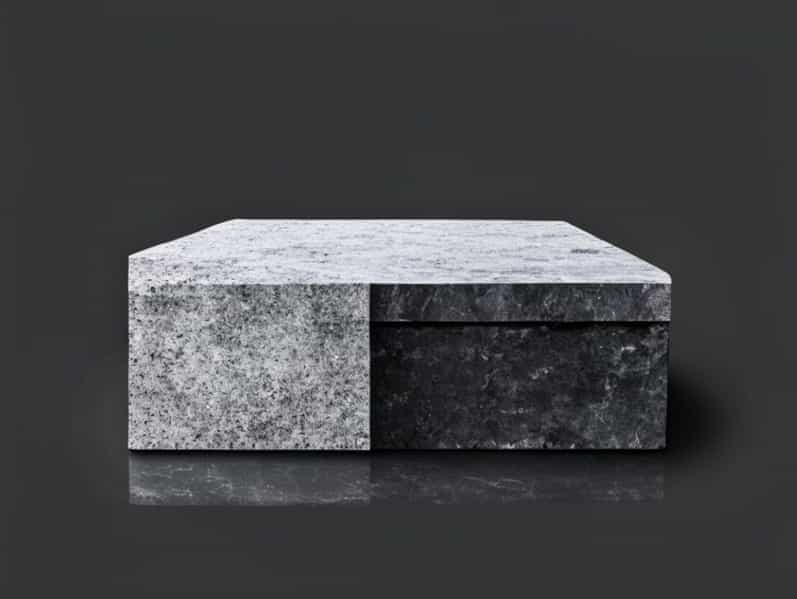
Granite countertops are a popular choice in kitchens and bathrooms because of their natural beauty, durability, and long-term value. Many homeowners assume granite is indestructible and maintenance-free, yet questions often arise about ongoing care. One of the most common concerns is whether you need to reseal granite countertops over time. Understanding how granite works, how it reacts to daily use, and what sealing actually does can help you make informed decisions and protect your investment.
Understanding the Nature of Granite Countertops
Granite is a natural stone formed deep within the earth under intense heat and pressure. It is composed mainly of quartz, feldspar, and other minerals that give it strength and unique patterns.
Although granite is hard and durable, it is not completely non-porous. Tiny pores and fissures can allow liquids to seep into the stone if it is not properly sealed.
What Sealing Granite Countertops Means
Sealing granite countertops involves applying a protective product that penetrates the stone’s surface. This sealant fills microscopic pores, reducing the stone’s ability to absorb liquids.
It is important to note that sealers do not make granite waterproof. Instead, they slow down absorption, giving you time to clean spills before staining occurs.
Do You Really Need to Reseal Granite Countertops?
The short answer is that many granite countertops do need to be resealed eventually. However, the frequency depends on several factors, including the type of granite, how it was sealed initially, and how the surface is used.
Some dense granite varieties may only need resealing every few years, while more porous stones may require more frequent attention.
Factors That Affect Resealing Frequency
Not all granite countertops are the same. Several elements influence how often resealing is necessary.
Type of Granite
Darker granites tend to be denser and less porous than lighter-colored varieties. Lighter stones often absorb liquids more easily and may need resealing more often.
Quality of the Original Seal
If your countertop was sealed with a high-quality penetrating sealer, it may last longer. Lower-quality sealers can wear off more quickly.
Daily Use and Wear
Kitchens experience more spills, heat, and cleaning than bathrooms. High-use areas typically require more frequent resealing.
Cleaning Products Used
Harsh or acidic cleaners can degrade sealants faster. Gentle, stone-safe cleaners help preserve the protective layer.
Signs That Granite Countertops Need Resealing
Instead of relying solely on time intervals, many experts recommend watching for signs that your granite needs resealing.
The Water Test
Place a few drops of water on the surface and wait about 10 to 15 minutes. If the water darkens the stone, it is absorbing moisture and likely needs resealing.
Staining and Discoloration
If spills leave dark marks or stains that are difficult to remove, the sealant may no longer be effective.
Dull or Uneven Appearance
While sealing does not create shine, worn sealant can sometimes make the surface look uneven or patchy.
What Happens If You Do Not Reseal Granite?
Failing to reseal granite countertops does not cause immediate damage, but it increases the risk of long-term problems.
Liquids like oil, wine, coffee, and acidic substances can penetrate the stone and cause permanent stains. Over time, repeated absorption may also weaken the stone’s surface.
How Often Should Granite Countertops Be Resealed?
There is no universal schedule for resealing granite countertops. However, general guidelines can help.
- High-use kitchen countertops every 1 to 2 years
- Low-use countertops or bathroom vanities every 2 to 3 years
- Dense, dark granite possibly less frequent
Testing the surface periodically is more reliable than following a strict calendar.
The Resealing Process Explained
Resealing granite countertops is a relatively straightforward process. Many homeowners choose to do it themselves, while others prefer professional service.
Cleaning the Surface
The countertop must be thoroughly cleaned and dried before applying any sealer. Residue can interfere with proper penetration.
Applying the Sealer
The sealer is applied evenly across the surface and allowed to soak in for a specified time. Excess sealer is then wiped away.
Curing Time
After application, the countertop needs time to cure. This may range from a few hours to a full day, depending on the product.
DIY Resealing vs Professional Services
Many homeowners successfully reseal granite countertops themselves using readily available products. DIY resealing can be cost-effective and convenient.
Professional services may be beneficial for large surfaces, heavily stained countertops, or homeowners who prefer expert handling.
Common Myths About Sealing Granite
There are several misconceptions surrounding granite care and resealing.
Granite Never Needs Sealing
While granite is durable, most types still benefit from sealing to protect against stains.
Sealing Makes Granite Shiny
Sealants protect but do not polish. Shine comes from polishing, not sealing.
All Sealers Are the Same
Sealants vary in quality and formulation. Choosing the right one matters for long-term protection.
Daily Care to Extend the Seal’s Life
Proper daily care can reduce how often you need to reseal granite countertops.
- Wipe spills promptly
- Use mild, stone-safe cleaners
- Avoid abrasive pads
- Use trivets for hot cookware
Granite Countertops in Kitchens vs Bathrooms
Kitchens expose granite to oils, acids, and heavy use, making resealing more important. Bathrooms typically face less intense exposure but still benefit from periodic sealing.
Understanding how each space is used helps determine resealing needs.
Environmental and Lifestyle Considerations
Homes with frequent cooking, large families, or heavy entertaining tend to wear down sealants faster. Climate and humidity can also influence stone behavior.
Is Resealing Worth the Effort?
Resealing granite countertops is a small investment of time and cost compared to replacing or repairing stained stone. Proper sealing preserves appearance and functionality.
For most homeowners, resealing is a practical step in maintaining long-lasting countertops.
Resealing Granite Countertops
So, do you need to reseal granite countertops? In most cases, yes, but not excessively or blindly. Understanding your specific granite, monitoring its condition, and practicing good daily care are the keys to knowing when resealing is necessary.
With proper attention, granite countertops can remain beautiful, durable, and functional for decades, making resealing a worthwhile part of responsible home maintenance.