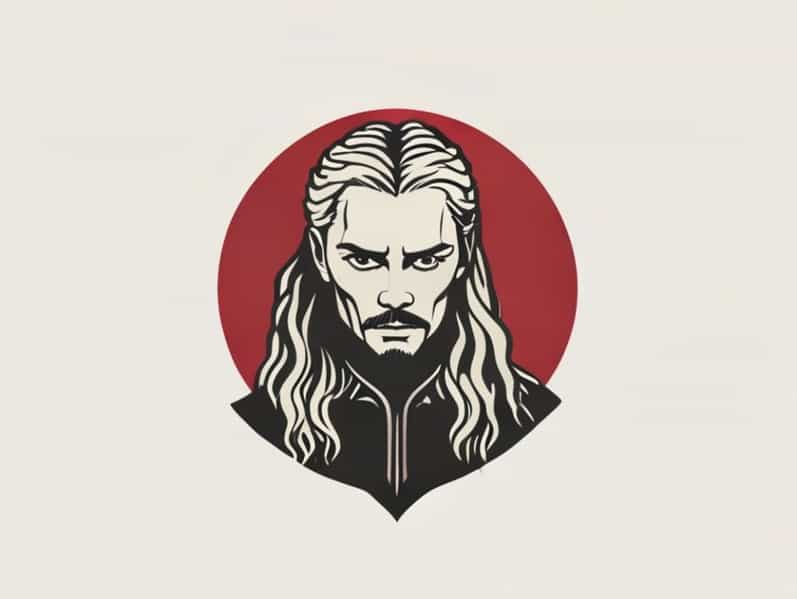
Jaehaerys the Conciliator is one of the most respected and influential figures connected to the era explored in House of the Dragon. Although he does not appear as a main on-screen character in the series, his legacy shapes much of the political structure, family tension, and succession conflicts that define the story. Understanding who Jaehaerys the Conciliator was helps viewers grasp why stability mattered so deeply to the Targaryens and why its loss led to devastating consequences.
The Place of Jaehaerys the Conciliator in Targaryen History
Jaehaerys I Targaryen ruled long before the central events of House of the Dragon, yet his influence is everywhere. He became king during a time of instability and internal conflict within House Targaryen.
His reign is remembered as a golden age, marked by peace, legal reform, and political unity. This is why he earned the title the Conciliator, a name that reflects his ability to heal divisions rather than deepen them.
Why He Is Called the Conciliator
The title the Conciliator was not given lightly. Jaehaerys was known for resolving disputes through dialogue, compromise, and careful judgment rather than brute force.
He reunited a fractured realm, calmed noble houses, and strengthened the relationship between the Iron Throne and the people it ruled.
Balancing Power and Wisdom
Unlike rulers who relied mainly on fear, Jaehaerys believed long-term stability came from fairness and trust. He listened to advisors and respected tradition while still introducing reforms.
This balanced leadership style became a benchmark against which later kings were judged.
Jaehaerys and the Foundations of House of the Dragon
House of the Dragon is fundamentally a story about succession, legitimacy, and family conflict. These themes trace directly back to decisions made during Jaehaerys’s reign.
His effort to maintain peace unintentionally set the stage for future disputes, especially regarding inheritance and the role of women in succession.
The Great Council and Its Long Shadow
One of Jaehaerys the Conciliator’s most important decisions was calling the Great Council to settle the question of succession. Rather than forcing a choice, he allowed the realm’s lords to decide.
This moment is critical to understanding House of the Dragon because it established precedents that later generations struggled to interpret.
Why the Council Mattered
The council reinforced the idea that male heirs were preferred over female ones, even when women had strong claims.
This decision deeply influenced the conflict between rival claimants that eventually led to civil war.
Jaehaerys as a Symbol of Lost Stability
In House of the Dragon, Jaehaerys the Conciliator is often referenced as a reminder of what was lost. His reign represents order, unity, and restraint.
Later rulers inherited power without fully inheriting his wisdom, leading to increasing tension within House Targaryen.
His Relationship with Dragons
Like other Targaryens, Jaehaerys ruled during a time when dragons were numerous and powerful. However, he understood that dragons alone could not ensure peace.
He treated dragons as symbols of authority rather than tools of intimidation, reinforcing his preference for diplomacy.
The Role of Family in His Reign
Family was central to Jaehaerys’s rule. He worked tirelessly to keep House Targaryen united, arranging marriages and resolving internal disputes.
Despite his efforts, personal tragedy and political pressure often tested his resolve.
Lessons in Leadership
Jaehaerys demonstrated that leadership is not just about power, but about responsibility. He made decisions with future generations in mind.
This long-term perspective is notably absent in many characters seen in House of the Dragon.
How House of the Dragon Reflects His Legacy
The series portrays a world struggling to live up to Jaehaerys’s standards. Characters frequently face choices between peace and ambition.
These struggles highlight how rare and difficult his style of leadership truly was.
Contrast with Later Targaryen Rulers
Compared to later kings, Jaehaerys the Conciliator appears almost idealized. Where others ruled through fear or impulsiveness, he ruled through patience.
This contrast helps viewers understand why the realm eventually fell into chaos.
Why His Absence Is So Powerful
Even though he is not a central character in House of the Dragon, Jaehaerys’s absence is deeply felt. The story unfolds in the vacuum left by his passing.
Without his guiding influence, unresolved tensions resurface and grow more dangerous.
Public Memory and Reputation
Within the world of Westeros, Jaehaerys the Conciliator is remembered fondly by nobles and commoners alike. His reign is often referenced as a time of fairness and prosperity.
This reputation adds emotional weight to the conflicts that follow.
Political Wisdom That Shaped an Era
Jaehaerys understood that ruling a realm required compromise. He accepted that not every decision would please everyone.
His ability to navigate competing interests kept the realm intact for decades.
The Tragedy of Unintended Consequences
Despite his wisdom, some of Jaehaerys’s decisions had unintended effects. By trying to avoid conflict, he delayed it instead.
This tragedy adds depth to his character and complexity to the story of House of the Dragon.
Why Fans Still Discuss Jaehaerys the Conciliator
Fans of House of the Dragon often debate whether the civil war could have been avoided if Jaehaerys’s principles had been followed more closely.
His legacy invites reflection on leadership, responsibility, and the cost of ambition.
Jaehaerys the Conciliator stands as a defining figure behind the events of House of the Dragon. His reign represents balance, wisdom, and a fragile peace that later generations failed to preserve.
By understanding his role, viewers gain deeper insight into why the Targaryen dynasty fractured and why the struggle for the Iron Throne became so destructive. His story reminds us that true power lies not only in strength, but in the ability to unite rather than divide.