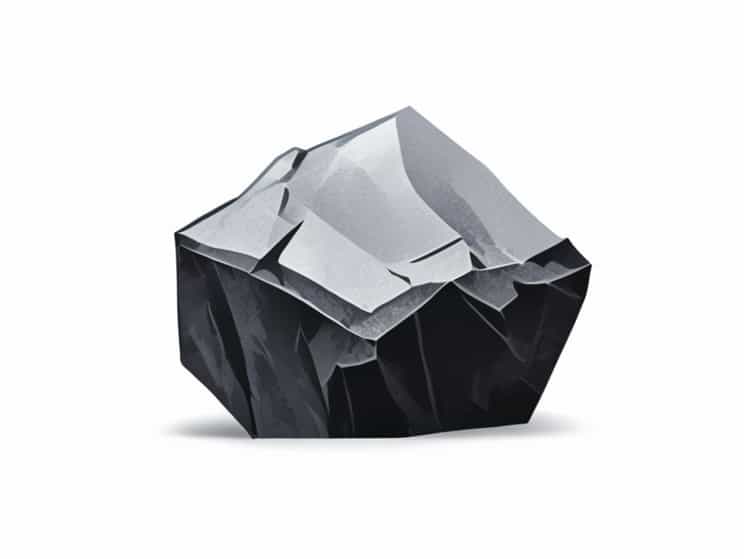
Lignite is a type of coal that is often discussed in the context of energy production, geology, and environmental science. People who are studying natural resources or energy sources sometimes wonder if lignite is a form of calcium carbonate because both substances are found in the Earth and are used industrially. Understanding the chemical composition of lignite, its formation process, and how it differs from minerals like calcium carbonate is essential for anyone studying geology, chemistry, or energy-related fields.
What Is Lignite?
Lignite, commonly known as brown coal, is a soft, brownish-black coal that is considered the lowest rank of coal due to its relatively low carbon content and high moisture level. It is primarily used as a fuel for electricity generation in power plants because it burns efficiently at lower temperatures compared to harder coals.
The formation of lignite begins with plant material accumulating in swamps or peat bogs. Over millions of years, this organic matter undergoes physical and chemical changes under conditions of heat and pressure, eventually forming lignite. This process is part of the coalification sequence, which also includes sub-bituminous, bituminous, and anthracite coals.
Composition of Lignite
Lignite is composed mainly of carbon, hydrogen, and oxygen, along with small amounts of nitrogen, sulfur, and mineral matter. The carbon content of lignite is lower than that of higher-rank coals, typically ranging from 25% to 35%, while its moisture content can be as high as 30% to 60%. The presence of moisture and volatile compounds is why lignite appears soft and brownish compared to harder, black coals.
The mineral content in lignite includes clay, quartz, pyrite, and other trace elements, but calcium carbonate is not a primary component. While there may be small amounts of calcium-containing minerals present due to soil or sediment contamination, this is not sufficient to classify lignite as a form of calcium carbonate.
Physical Characteristics
Lignite is easily distinguishable from other types of coal because of its softer texture and high moisture content. It tends to crumble easily, and when burned, it produces more smoke and lower energy per unit weight compared to higher-grade coals. Its physical characteristics are directly related to its chemical composition, which is rich in organic carbon rather than inorganic minerals.
What Is Calcium Carbonate?
Calcium carbonate, on the other hand, is a chemical compound with the formula CaCO3. It is a mineral commonly found in rocks such as limestone, chalk, and marble. Calcium carbonate forms through sedimentary processes or biological activity, often originating from shells, coral, and marine organisms.
Unlike lignite, calcium carbonate is not organic in origin and does not contain carbon in the form of fuel. Instead, it contains calcium ions bonded to carbonate ions, forming a crystalline structure that is chemically distinct from the complex organic molecules found in coal.
Uses of Calcium Carbonate
Calcium carbonate has a wide range of industrial and commercial uses. It is used in the manufacture of cement, as a dietary calcium supplement, in construction materials, and as a neutralizing agent in chemical processes. Its properties as a mineral make it completely different from lignite, which is primarily used for fuel.
Differences Between Lignite and Calcium Carbonate
Understanding why lignite is not a form of calcium carbonate requires examining their differences in composition, origin, and use.
- OriginLignite is formed from plant material and is organic, while calcium carbonate is an inorganic mineral formed from sedimentary or biological processes.
- Chemical CompositionLignite contains primarily carbon, hydrogen, and oxygen in organic compounds, whereas calcium carbonate contains calcium ions bonded to carbonate ions (CaCO3).
- Physical PropertiesLignite is soft, brownish, and has high moisture content, while calcium carbonate is hard, crystalline, and typically white or gray.
- UsageLignite is mainly used as a fuel, whereas calcium carbonate is used in construction, supplements, and chemical industries.
- Energy ContentLignite is combustible and produces energy when burned. Calcium carbonate is non-combustible and does not serve as a fuel.
Misconceptions About Lignite and Calcium Carbonate
Some people mistakenly associate lignite with calcium carbonate because both can appear in sedimentary environments and contain carbon. However, the type of carbon in each material is different. In lignite, carbon exists in organic compounds that can release energy when burned. In calcium carbonate, carbon is part of an inorganic mineral structure that does not provide fuel value.
Another source of confusion is that lignite deposits often contain small amounts of mineral matter, including trace calcium compounds. While these trace amounts exist, they do not change the overall nature of lignite or make it a form of calcium carbonate.
How Lignite Is Used in Industry
Lignite’s primary use is as a low-rank coal for electricity generation. Its high moisture content and low carbon content make it less efficient than higher-grade coals, but it remains an important energy source, particularly in regions where lignite deposits are abundant. Lignite can also be processed into briquettes or gasified for chemical production.
In contrast, calcium carbonate’s industrial applications are entirely unrelated to energy production. It serves as a raw material for cement, a filler in paper and plastics, and a soil treatment in agriculture. The difference in applications further highlights that lignite and calcium carbonate are fundamentally distinct materials.
Environmental Considerations
Burning lignite produces carbon dioxide and other emissions, contributing to air pollution and greenhouse gas accumulation. Calcium carbonate, when used in construction or chemical processes, generally has a smaller carbon footprint compared to burning coal. Understanding these environmental differences is important for energy planning and sustainability considerations.
Geological Formation Processes
Lignite forms from the decomposition of plant matter in swampy or peat-rich areas over millions of years. Pressure and heat gradually transform organic material into coal. Calcium carbonate, however, forms in sedimentary rock layers through the precipitation of calcium ions with carbonate ions in water or from the accumulation of shells and coral.
The geological processes of formation are therefore entirely different. One is organic and biochemical, while the other is mineral and sedimentary.
Is Lignite a Form of Calcium Carbonate?
lignite is not a form of calcium carbonate. Lignite is an organic, low-rank coal used mainly as a fuel, rich in carbon, hydrogen, and moisture. Calcium carbonate is an inorganic mineral found in limestone and marble, with a crystalline structure of calcium and carbonate ions. Although both substances may contain carbon, the type, origin, and properties of this carbon are completely different.
Understanding the distinction between lignite and calcium carbonate is important for students, professionals in geology or chemistry, and anyone involved in energy production. Lignite’s role as a fuel and calcium carbonate’s role as a mineral and industrial material make them useful in very different contexts. Recognizing their differences helps prevent misconceptions and promotes a more accurate understanding of natural resources and their applications.