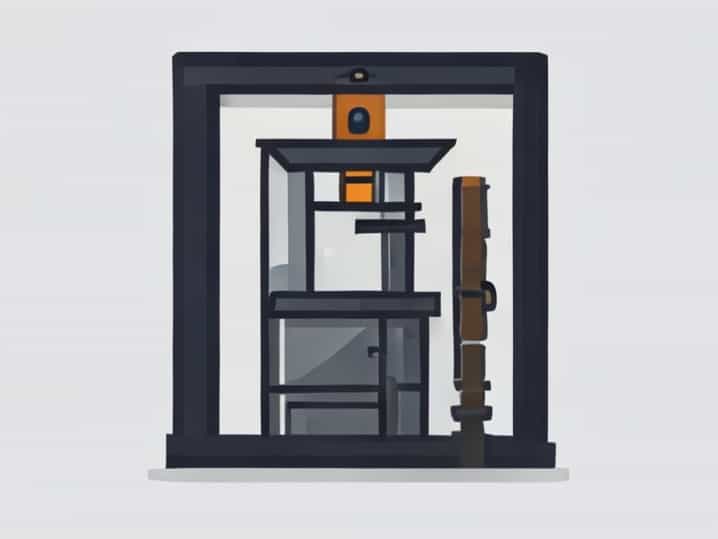
A dumbwaiter can be a practical and elegant addition to a home, especially in multi-story houses where carrying items up and down stairs becomes tiring or inconvenient. Traditionally used in older homes and restaurants, dumbwaiters are small freight elevators designed to move goods, not people. Learning how to make a dumbwaiter for your home requires careful planning, basic mechanical understanding, and strong attention to safety. With the right approach, a home dumbwaiter can improve daily convenience and add long-term value.
Understanding What a Home Dumbwaiter Is
A dumbwaiter is a compact lift system that transports items such as groceries, laundry, books, or dishes between floors. Unlike passenger elevators, dumbwaiters are smaller, slower, and designed only for objects.
Before deciding to build one, it is important to understand its purpose, limitations, and structural requirements. This clarity helps you design a system that fits your home and lifestyle.
Reasons Homeowners Choose to Build a Dumbwaiter
Many homeowners explore how to make a dumbwaiter for your home to improve convenience and accessibility.
- Reducing physical strain when carrying heavy items
- Helping elderly or mobility-limited residents
- Adding a unique functional feature to the house
- Improving kitchen-to-dining or laundry transport
Planning Before You Start Building
Planning is the most critical stage of building a dumbwaiter. Rushing into construction without preparation can lead to safety hazards and structural problems.
You must consider available space, load capacity, and how many floors the dumbwaiter will serve. A clear plan helps prevent costly changes later.
Choosing the Location
The ideal location for a dumbwaiter is usually near a kitchen, pantry, or laundry area. Vertical alignment between floors is essential.
Closets, corners, or unused wall spaces are often suitable because they allow for a vertical shaft without disrupting living areas.
Understanding Safety and Legal Considerations
Safety should always come first when learning how to make a dumbwaiter for your home. Even though a dumbwaiter does not carry people, it still involves moving parts and heavy loads.
Local building codes may regulate dumbwaiter installation. Checking regulations ensures compliance and reduces future risks.
Basic Components of a Home Dumbwaiter
Understanding the main components helps you visualize the system.
- A car or box that holds items
- Guide rails to control movement
- A pulley or rail system
- A lifting mechanism such as a rope or cable
- Safety stops and locks
Designing the Dumbwaiter Car
The dumbwaiter car is the container that carries items between floors. It should be strong, lightweight, and properly sized.
Wood or metal frames are commonly used. The interior should be smooth to prevent damage to items during movement.
Creating the Vertical Shaft
The shaft is the enclosed space where the dumbwaiter moves up and down. It must be straight, stable, and free of obstacles.
Proper alignment is essential for smooth operation and long-term reliability.
Selecting the Lifting Mechanism
The lifting mechanism determines how the dumbwaiter moves. Manual systems use counterweights, while powered systems rely on motors.
For most homes, small electric motors provide consistent performance and ease of use.
Manual vs Powered Dumbwaiters
Manual dumbwaiters are simpler but require physical effort. Powered systems are more convenient but require electrical knowledge and safety features.
Choosing the right option depends on budget, frequency of use, and technical skill.
Guide Rails and Stability
Guide rails keep the dumbwaiter moving straight and prevent swinging. Stability is critical for safety and smooth operation.
Strong rails also reduce wear on cables and pulleys over time.
Doors and Access Points
Each floor requires an access door. These doors should close securely to prevent accidental contact with the moving system.
Proper locking mechanisms help keep the dumbwaiter safe when not in use.
Weight Limits and Load Management
Understanding weight limits is essential. Overloading a dumbwaiter increases wear and raises safety risks.
Design the system to handle typical household loads with a margin for safety.
Electrical Considerations
If using a powered dumbwaiter, electrical planning is required. Switch placement, wiring safety, and power control must be carefully designed.
Emergency stop features are strongly recommended for added safety.
Testing Before Regular Use
Testing is a critical phase when learning how to make a dumbwaiter for your home. Before using it regularly, test the system with light loads.
Gradually increase weight to ensure stability, smooth motion, and proper stopping.
Maintenance and Long-Term Care
Regular maintenance keeps a dumbwaiter functioning safely and efficiently.
- Inspect cables and pulleys regularly
- Check door locks and safety stops
- Clean guide rails to reduce friction
Common Mistakes to Avoid
Some mistakes can reduce safety or functionality.
- Ignoring building codes
- Using weak materials
- Skipping safety features
- Overloading the dumbwaiter
When to Consider Professional Help
While DIY enthusiasts may enjoy the challenge, some situations call for professional assistance.
Complex electrical work or structural modifications are best handled by experienced professionals.
Cost Considerations
Building a dumbwaiter at home can be more affordable than purchasing a commercial unit, but costs vary.
Materials, tools, and safety features should never be compromised to save money.
How a Dumbwaiter Improves Daily Living
A well-built dumbwaiter saves time and energy. It simplifies daily tasks and reduces strain on the body.
In multi-level homes, it can quickly become one of the most appreciated features.
Designing for the Future
When planning how to make a dumbwaiter for your home, think long-term. Consider future needs such as aging residents or increased usage.
A flexible design allows upgrades and modifications later.
Environmental and Energy Considerations
Energy-efficient motors and smart usage reduce electricity consumption.
Thoughtful design minimizes environmental impact while maintaining functionality.
Learning how to make a dumbwaiter for your home involves careful planning, thoughtful design, and a strong focus on safety. From choosing the right location to selecting materials and testing the system, each step plays an important role in creating a reliable and useful feature. A home dumbwaiter can greatly improve convenience, especially in multi-story homes, while adding character and functionality. With proper preparation and responsible construction, a dumbwaiter becomes a practical solution that enhances everyday living.