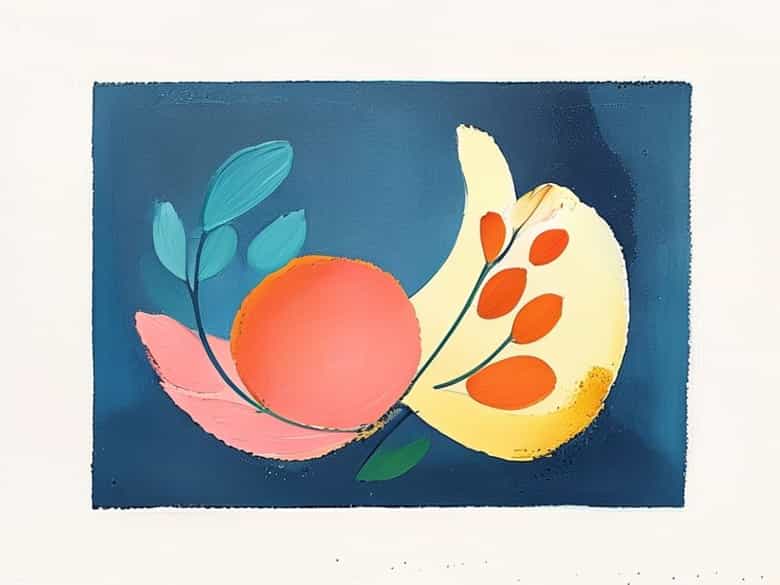
Artists often experiment with different painting mediums to achieve unique effects and textures. Two popular types of paint, gouache and acrylic, are widely used for their versatility, vibrant colors, and ease of use. However, mixing these two mediums raises questions about compatibility, texture, drying time, and final results. Many painters wonder, can you mix gouache and acrylic? Exploring the properties of each medium, their interaction, and practical tips can help artists make informed choices when combining these paints in creative projects.
Understanding Gouache
Gouache is an opaque water-based paint known for its matte finish and high pigment concentration. It is similar to watercolor but has a higher pigment-to-water ratio, giving it stronger opacity and vibrant color coverage. Gouache can be reactivated with water even after drying, which makes it flexible for layering and corrections. Artists often use gouache for illustrations, graphic design, and fine art due to its smooth, velvety appearance and ability to produce bold, flat areas of color.
Characteristics of Gouache
- Matte finish with strong pigmentation.
- Water-soluble, allowing reactivation after drying.
- Suitable for layering and blending when wet.
- Prone to cracking if applied too thickly on certain surfaces.
Understanding Acrylic
Acrylic paint is a fast-drying, water-based medium that becomes water-resistant once dry. It is known for its flexibility, durability, and ability to adhere to a wide range of surfaces, including canvas, wood, and paper. Acrylics can be used in thick, impasto styles or diluted with water for washes and glazes. Because acrylic paint forms a permanent film when dry, it behaves differently from gouache and requires different handling techniques.
Characteristics of Acrylic
- Fast-drying and permanent when dry.
- Flexible and durable on most surfaces.
- Can be applied thickly or diluted for washes.
- Not reactivatable with water after drying.
Can Gouache and Acrylic Be Mixed?
Technically, gouache and acrylic can be mixed, but artists must consider the differences in their properties. Because gouache is water-soluble and acrylic becomes water-resistant when dry, the mixture may behave unpredictably. Acrylic tends to dominate the mixture due to its binding agent, which can reduce the rewetting ability of gouache. While combining the two can create interesting textures and effects, careful experimentation is necessary to achieve desired results without compromising the stability of the paint.
Mixing Techniques
- Start with small amounts to test how the paints interact.
- Mix gouache into wet acrylic for subtle opacity and matte textures.
- Apply acrylic over dried gouache carefully to prevent reactivation if you want to preserve layers.
- Use water to thin gouache and adjust consistency when combining with acrylic.
Practical Considerations
Mixing gouache and acrylic requires attention to drying times, layering, and surface preparation. Gouache dries more slowly than acrylic, which can result in uneven textures if applied together in thick layers. Additionally, acrylic paint creates a plastic-like surface that can prevent gouache from adhering properly if applied over dried acrylic. Artists should test their paints on scrap material before working on a final piece to understand how the combination behaves.
Surface Selection
The choice of surface can influence the success of mixing gouache and acrylic. Smooth, non-porous surfaces like illustration board or primed canvas can work well, allowing the paints to blend and adhere more effectively. Using textured paper or unprimed surfaces may lead to uneven absorption, cracking, or lifting of paint layers. Preparing the surface with a light gesso layer can improve adhesion and reduce potential issues.
Layering Strategies
- Apply gouache first and let it dry completely before adding acrylic layers.
- Use thin washes of acrylic over gouache for subtle color changes without disturbing underlying layers.
- Avoid heavy acrylic over gouache if you want to maintain the matte effect of gouache.
- Experiment with alternating layers to create depth and texture.
Creative Effects of Mixing Gouache and Acrylic
When handled carefully, mixing gouache and acrylic can produce unique visual effects. Artists can achieve a combination of matte and glossy finishes, soft and hard edges, or varying opacities within the same piece. This combination is particularly useful in illustration, mixed media art, and experimental painting where texture and visual contrast are desired. By understanding the strengths and limitations of each medium, artists can create visually compelling works that highlight the distinct qualities of both paints.
Advantages of Mixing
- Enhanced textural variety in a single artwork.
- Ability to create both opaque and translucent layers.
- Matte gouache can counterbalance glossy acrylic areas for visual contrast.
- Expanded creative possibilities for mixed media projects.
Challenges of Mixing
- Potential adhesion issues if acrylic is applied over dried gouache.
- Gouache may lose rewetting ability when mixed with acrylic.
- Uneven drying times can cause surface irregularities or cracking.
- Requires testing and experimentation to achieve consistent results.
Tips for Successful Mixing
To maximize the potential of combining gouache and acrylic, artists can follow several tips
- Test combinations on scrap surfaces before committing to final artwork.
- Work in thin layers to control drying times and prevent cracking.
- Use palette knives or brushes to create different textures and blending effects.
- Consider adding mediums such as acrylic retarder or matte medium to adjust consistency and drying time.
- Keep water nearby to reactivate gouache areas carefully without disturbing acrylic layers.
it is possible to mix gouache and acrylic paints, but doing so successfully requires understanding the distinct properties of each medium. Gouache provides matte opacity and rewetting flexibility, while acrylic offers durability, fast drying, and permanence. Combining these paints can produce unique textures, layers, and visual effects when handled with care. By experimenting with mixing techniques, layering strategies, and surface preparation, artists can harness the strengths of both gouache and acrylic to create innovative and visually striking artworks. Awareness of potential challenges, such as adhesion issues and drying inconsistencies, ensures that mixed paint projects remain stable, aesthetically pleasing, and creatively rewarding.