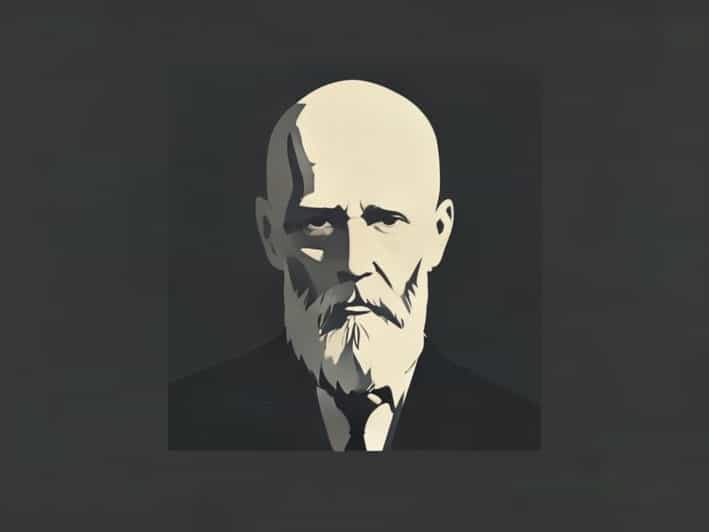
Moral relativism is a popular idea in modern culture, often presented as a tolerant and open-minded approach to ethics. It suggests that moral values depend on personal opinion, cultural norms, or social agreement rather than objective truth. Peter Kreeft, a well-known philosopher and writer, offers a thoughtful and accessible refutation of moral relativism that challenges this assumption at its core. His arguments are not aimed at attacking people, but at examining whether moral relativism can logically sustain itself as a moral theory.
Who Peter Kreeft Is and Why His Voice Matters
Peter Kreeft is a philosopher known for making complex ideas understandable to a general audience. He has written extensively on ethics, theology, and classical philosophy, often drawing inspiration from thinkers like Socrates, Plato, and Aquinas. His approach to philosophy emphasizes clarity, common sense, and logical consistency.
In his refutation of moral relativism, Kreeft does not rely on abstract technical language. Instead, he uses everyday examples and clear reasoning to show why the idea that there is no objective right and wrong leads to serious contradictions.
What Moral Relativism Claims
Moral relativism argues that moral judgments are not universally true. According to this view, what is right for one person or culture may be wrong for another, and there is no higher standard by which to judge these differences.
This position is often defended as promoting tolerance. If no one has access to absolute moral truth, then no one has the right to judge others. Kreeft acknowledges the emotional appeal of this idea but questions whether it actually delivers what it promises.
The Self-Contradiction Problem
One of Peter Kreeft’s strongest arguments against moral relativism is that it contradicts itself. When someone claims, There is no objective moral truth, they are making a statement that is meant to be objectively true.
If the claim itself is only relatively true, then it applies only to the speaker and has no authority over others. If it is meant to apply to everyone, then it becomes an objective moral claim, which contradicts moral relativism itself.
Relativism Refuting Itself
Kreeft often points out that moral relativists frequently condemn actions such as racism, oppression, or injustice. But condemning these actions assumes a moral standard that applies beyond personal opinion.
If moral relativism were true, then practices widely considered immoral could not be universally criticized. The very act of moral protest relies on the belief that some things are truly wrong.
The Illusion of Tolerance
Moral relativism is commonly associated with tolerance, but Kreeft argues that this connection is misleading. True tolerance, he says, means respecting people, not denying moral truth.
If all moral views are equally valid, then intolerance itself becomes just another acceptable moral option. In this sense, moral relativism cannot consistently defend tolerance as a value.
Moral Experience and Common Sense
Kreeft emphasizes the importance of moral experience. Most people instinctively believe that certain actions are wrong regardless of circumstances or opinions. Acts like deliberate cruelty, betrayal, or abuse are not seen as morally neutral.
This shared moral intuition suggests that humans recognize objective moral truths, even if they disagree about details. Moral relativism asks people to deny what they already know at a basic level.
Cultural Differences and Moral Absolutes
Relativists often point to cultural diversity as evidence against objective morality. Different societies have different customs, laws, and moral practices. Kreeft responds by distinguishing between moral principles and their applications.
While cultures may differ in how they apply moral rules, this does not mean there are no universal principles. For example, nearly all societies value justice, honesty, and protection of the innocent, even if they interpret these values differently.
The Problem of Moral Progress
Peter Kreeft argues that moral relativism makes the idea of moral progress meaningless. If there is no objective standard, then societies cannot improve morally; they can only change.
Historical movements against slavery, discrimination, and injustice are widely viewed as moral advancements. This judgment assumes that earlier practices were objectively wrong, not merely different.
Power Replacing Truth
Another key concern in Kreeft’s refutation of moral relativism is that when truth is denied, power often takes its place. If there is no moral truth, then decisions are made based on influence, force, or popularity.
Without objective standards, the strongest voices dominate moral conversations. This undermines the very protection that relativism claims to offer marginalized groups.
Reason and Moral Knowledge
Kreeft defends the idea that human reason can recognize moral truth. While people may make mistakes or disagree, this does not mean moral knowledge is impossible.
Just as disagreement in science does not invalidate objective facts, disagreement in ethics does not eliminate moral truth. Reasoned discussion and reflection remain meaningful only if truth exists.
The Role of Conscience
Conscience plays an important role in Kreeft’s thinking. He views conscience not as a personal preference generator, but as an inner recognition of moral obligation.
When people act against their conscience, they often experience guilt or shame. These emotions point toward an objective moral order rather than subjective opinion.
Why Moral Relativism Persists
Kreeft acknowledges that moral relativism persists because it appears to solve difficult problems. It seems to avoid conflict, judgment, and moral responsibility.
However, he argues that avoiding truth for the sake of comfort ultimately weakens ethical reasoning and personal integrity.
A Call for Moral Realism
Peter Kreeft’s refutation of moral relativism is ultimately a defense of moral realism, the idea that moral truths exist independently of opinion. He does not claim that moral knowledge is easy or that people always agree.
Instead, he argues that without objective moral truth, ethics collapses into contradiction and power struggles.
Conclusion Grounded in Reason
Peter Kreeft’s critique of moral relativism challenges readers to think carefully about what they already assume when making moral judgments. His arguments show that relativism cannot consistently support tolerance, justice, or moral criticism.
By appealing to reason, common sense, and everyday moral experience, Kreeft presents a refutation that remains accessible and persuasive. His work invites readers to reconsider whether denying moral truth truly leads to freedom, or whether it ultimately undermines the very values people seek to protect.