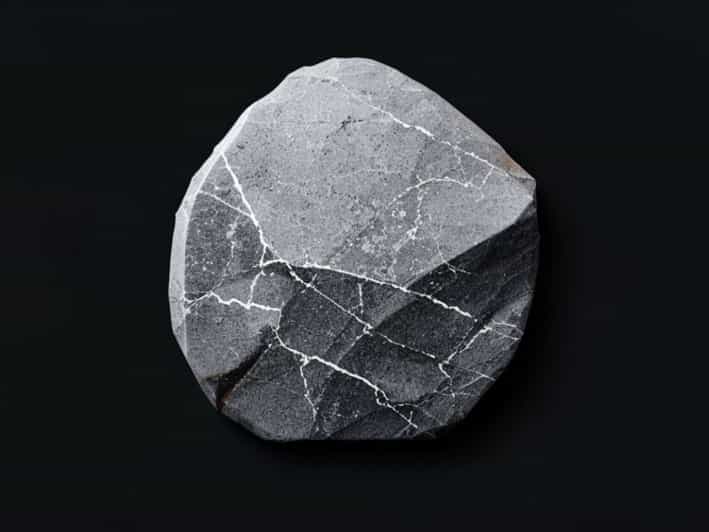
Quartzite is a durable and visually striking metamorphic rock that has fascinated geologists, builders, and designers for centuries. Its formation is the result of intense geological processes that transform existing rocks under extreme heat and pressure. Quartzite is widely used in construction, decorative applications, and industrial processes due to its hardness, resistance to weathering, and unique aesthetic qualities. Understanding how quartzite is produced, its characteristics, and its applications provides insight into both natural geological processes and practical human uses of this remarkable rock.
Formation of Quartzite
Quartzite is primarily produced by the metamorphism of sandstone, a sedimentary rock composed mainly of quartz grains. Metamorphism occurs when sandstone is subjected to high temperatures and pressures over long geological periods, often associated with tectonic activity such as mountain building or deep burial. During this process, the quartz grains recrystallize, interlocking to form a dense, hard rock. The original texture of the sandstone may be preserved in part, but quartzite is generally much harder and more resistant to weathering than its parent rock.
Metamorphic Process
The metamorphic transformation of sandstone into quartzite involves several stages. Initially, the sandstone undergoes compaction and cementation, consolidating the grains into a solid rock. When subjected to heat and pressure, the individual quartz crystals recrystallize and fuse together, forming a granular and interlocking texture. Minor impurities in the sandstone, such as feldspar or iron oxides, can result in a range of colors in the final quartzite, including white, gray, pink, or reddish hues. The degree of metamorphism influences the hardness, density, and appearance of the resulting quartzite.
Characteristics of Quartzite
Quartzite is known for its remarkable physical and chemical properties. Its primary mineral composition is quartz, which gives it exceptional hardness, typically ranging from 7 on the Mohs scale. This hardness makes quartzite highly resistant to scratching and abrasion, making it ideal for both structural and decorative applications. In addition, quartzite is chemically stable and resistant to acids, which further contributes to its durability and long-term performance.
Physical Properties
- HardnessQuartzite is extremely hard due to the interlocking quartz crystals, which makes it resistant to wear and scratching.
- DensityQuartzite is dense and heavy, providing stability in construction applications.
- Color and TextureColors range from white and gray to pink, red, and even green, depending on impurities. The texture can be smooth, granular, or even glassy in appearance.
- DurabilityQuartzite withstands weathering, erosion, and temperature fluctuations better than most sedimentary rocks.
Occurrence and Geological Distribution
Quartzite is found in many parts of the world, often associated with ancient mountain ranges and areas of past tectonic activity. Regions with exposed Precambrian rocks, which are some of the oldest on Earth, frequently contain extensive quartzite formations. These rocks can occur as massive outcrops, ridges, or layers within metamorphic terrains. The widespread occurrence of quartzite reflects the global nature of tectonic processes and the widespread metamorphism of sandstone over geological time.
Notable Quartzite Deposits
- United States Extensive deposits are found in the Appalachian Mountains, the Rocky Mountains, and parts of the Midwest.
- India Quartzite formations occur in states such as Rajasthan, Karnataka, and Andhra Pradesh.
- Brazil Large reserves are found in Minas Gerais and other states, supporting both industrial and decorative uses.
- Europe Countries such as Norway, Spain, and Portugal have notable quartzite formations used in construction and landscaping.
Uses and Applications of Quartzite
The durability and aesthetic appeal of quartzite make it highly valuable in construction, industrial, and decorative applications. Its resistance to abrasion and weathering allows it to be used in high-traffic areas, while its natural beauty makes it popular for countertops, flooring, and facades. In addition, crushed quartzite is used in road construction, railroad ballast, and as an aggregate in concrete due to its strength and hardness.
Construction and Architecture
In the construction industry, quartzite is prized for its ability to withstand heavy wear and environmental exposure. It is often used for paving stones, exterior cladding, roofing tiles, and stair treads. Architects and designers appreciate its natural patterns and color variations, which add elegance and sophistication to both interior and exterior spaces. Quartzite is also preferred over marble or granite in certain applications because it maintains its integrity under harsh conditions.
Industrial Uses
Quartzite’s high silica content makes it useful in industrial applications. It can be processed to produce silicon, glass, and ceramics. Additionally, its resistance to chemical corrosion makes it suitable for use in chemical processing plants and for filtration systems. Crushed quartzite serves as a durable material for construction aggregates, road bases, and ballast in railways, providing stability and longevity.
Environmental and Geological Significance
Quartzite also holds importance in understanding geological history. Its formation provides insight into past tectonic activity, metamorphic conditions, and the evolution of Earth’s crust. Studying quartzite formations allows geologists to reconstruct ancient environments and understand the processes that shaped modern landscapes. In addition, sustainable quarrying and responsible use of quartzite can minimize environmental impact, preserving natural resources for future generations.
Durability and Longevity
The long-lasting nature of quartzite ensures that structures built with this material endure for decades, if not centuries. Unlike softer rocks that may erode or weather quickly, quartzite maintains its strength, making it an environmentally and economically sound choice for construction. Its resistance to natural forces reduces maintenance costs and enhances the lifespan of buildings, paving, and other structures.
Quartzite vs Other Rocks
Quartzite is often compared with sandstone, marble, and granite due to similarities in appearance and application. While sandstone is the precursor rock, it is softer and more prone to erosion. Marble, although visually similar, is composed of calcite and is more susceptible to acid attack and scratching. Granite, while also hard, has a different mineral composition and often features more varied patterns. Quartzite stands out for its combination of hardness, durability, and natural beauty, making it a preferred choice for both functional and decorative purposes.
Key Advantages
- Exceptional hardness and scratch resistance compared to sandstone and marble.
- Resistance to chemical weathering and environmental degradation.
- Variety of natural colors and patterns for aesthetic applications.
- Long lifespan and low maintenance requirements in construction and landscaping.
Quartzite is produced by the metamorphism of sandstone under conditions of high heat and pressure, resulting in a dense, durable, and visually appealing rock. Its unique formation process contributes to its remarkable physical properties, including hardness, weather resistance, and aesthetic diversity. Quartzite occurs in many regions worldwide, supporting a wide range of applications from construction and architecture to industrial uses. Studying quartzite not only provides insight into geological processes but also offers practical benefits in building, design, and engineering. Its combination of strength, beauty, and longevity ensures that quartzite remains a valuable material for both scientific and commercial purposes.