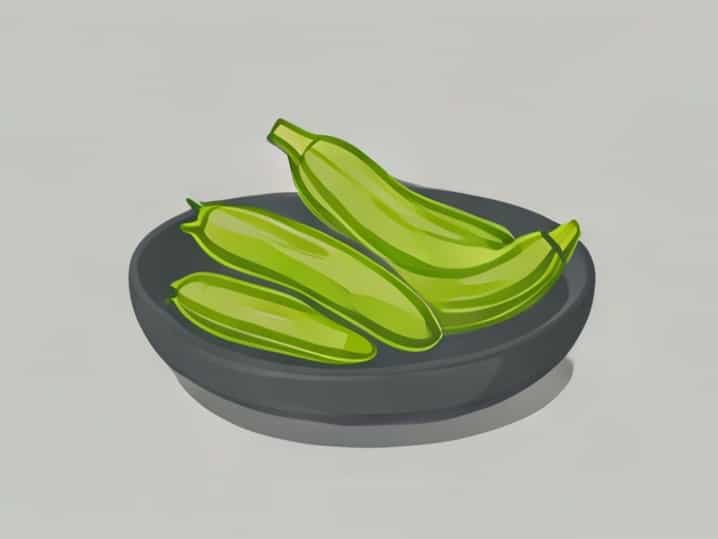
Okra is a nutritious and versatile vegetable that appears in many traditional dishes around the world, yet it often has a reputation that divides opinion. The main reason many people avoid cooking okra is its natural slime, which can appear when the pods are cut and heated. This texture can be unappealing if not handled properly. Learning how to cook okra without it being slimy is easier than it seems, and with the right techniques, okra can become crispy, tender, and full of flavor.
Why Okra Becomes Slimy When Cooked
To understand how to cook okra without it being slimy, it helps to know why the slime appears in the first place. Okra contains natural compounds called mucilage. When okra is cut and exposed to moisture and heat, this mucilage is released, creating a thick, sticky texture.
This quality is not always a bad thing. In some dishes like stews and soups, okra’s natural thickening ability is actually desired. However, for sautéed, roasted, or fried dishes, most people prefer okra that is dry and crisp rather than slippery.
Choosing the Right Okra
The first step to reducing sliminess starts at the grocery store or market. Fresh okra behaves differently from older pods.
Look for Small, Firm Pods
Smaller okra pods are generally less fibrous and contain less mucilage. They should feel firm and snap easily when bent. Large or soft pods are more likely to become slimy and tough when cooked.
Avoid Damaged or Wet Okra
Pods with bruises or moisture on the surface tend to release more slime. Always choose dry, unblemished okra for best results.
Proper Washing and Drying Techniques
One of the most important steps in learning how to cook okra without it being slimy is how you wash and dry it. Moisture encourages the release of mucilage.
Wash okra quickly under running water, then dry it thoroughly. Use a clean kitchen towel or paper towels to remove as much surface moisture as possible. Some cooks even let washed okra air-dry for 15 to 30 minutes before cooking.
Keep Okra Whole When Possible
Cutting okra exposes the interior, which releases slime. If your recipe allows, cooking okra whole or halved lengthwise rather than sliced into rounds can significantly reduce sliminess.
When slicing is necessary, wait until just before cooking to cut the okra. Avoid letting cut okra sit, as this gives the mucilage more time to develop.
Use High Heat Cooking Methods
High heat is one of the most effective ways to cook okra without it being slimy. Quick cooking helps evaporate moisture before slime can form.
Roasting Okra
Roasting okra in the oven is a popular method for achieving a crisp texture. Toss whole or sliced okra with oil, spread it in a single layer on a baking sheet, and roast at a high temperature. Overcrowding the pan should be avoided, as it traps steam and increases sliminess.
Sautéing and Stir-Frying
Sautéing okra in a hot pan with oil allows moisture to evaporate quickly. The key is not to stir too often. Let the okra sit and brown slightly before turning, which helps create a dry exterior.
Frying for a Crisp Result
Frying is another reliable way to cook okra without it being slimy. The high heat and coating help seal in moisture while creating a crunchy texture.
Okra can be lightly coated in cornmeal, flour, or a batter before frying. This method is common in Southern cooking and is especially appealing to those who dislike okra’s natural texture.
Use Acid to Reduce Sliminess
Acidic ingredients can help break down okra’s mucilage. Adding a small amount of acid during cooking can significantly reduce slime.
- Vinegar
- Lemon juice
- Tomatoes
Tomatoes are particularly effective and are often paired with okra in traditional recipes. The acid balances the texture while adding flavor.
Avoid Excessive Stirring
Constant stirring breaks down okra and releases more mucilage. Whether you are sautéing or stir-frying, limit how often you move the okra around the pan.
Allowing the okra to cook undisturbed for short periods helps it brown and reduces the chance of a slimy result.
Salt at the Right Time
Salting okra too early can draw out moisture, which increases slime. For best results, add salt toward the end of cooking rather than at the beginning.
This simple adjustment can make a noticeable difference in texture.
Cooking Methods to Use With Caution
Some cooking methods are more likely to produce slimy okra if not handled carefully.
Boiling and Steaming
Boiling and steaming introduce a lot of moisture, which activates mucilage. These methods are better suited for dishes where okra’s thickening quality is welcome.
If boiling is necessary, keep cooking time short and avoid cutting the okra too small.
Common Mistakes to Avoid
Even experienced cooks can struggle with okra if a few key mistakes are made.
- Cooking okra while it is still wet
- Overcrowding the pan
- Using low heat
- Stirring too frequently
Being mindful of these factors will greatly improve the final texture.
Cooking Okra Without Slime
Learning how to cook okra without it being slimy comes down to controlling moisture, heat, and handling. By choosing fresh okra, drying it well, using high heat, and avoiding excessive stirring, you can transform this often misunderstood vegetable into a delicious addition to your meals.
With the right techniques, okra can be roasted, fried, or sautéed into a dish that even skeptics will enjoy. Mastering these methods opens the door to exploring okra in new and satisfying ways, free from the slimy texture that gives it a bad reputation.