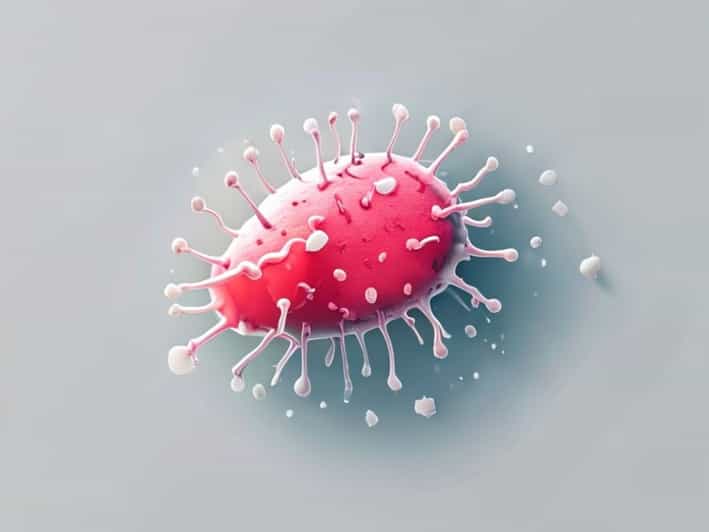
Listeria monocytogenes is a fascinating and dangerous bacterium that has captured the attention of microbiologists and public health professionals for decades. Unlike many bacteria that remain confined to a particular ecological niche, Listeria monocytogenes has evolved from a saprophytic lifestyle, surviving in soil and decaying vegetation, to a sophisticated intracellular pathogen capable of infecting humans and animals. Understanding how this bacterium transitions from a harmless environmental organism to a pathogenic agent is critical for preventing infections, improving food safety, and developing new therapeutic strategies.
The Saprophytic Lifestyle of Listeria monocytogenes
Listeria monocytogenes belongs to the genus Listeria, which includes several species, most of which are saprophytic. In its natural environment, Listeria thrives in soil, water, and decaying plant material. As a saprophyte, it plays a role in nutrient recycling by breaking down organic matter. This ecological niche is characterized by fluctuating temperatures, varying nutrient availability, and exposure to competing microorganisms, conditions that have shaped the bacterium’s resilience and adaptability.
Environmental Adaptations
To survive in soil and other environmental niches, Listeria monocytogenes has developed several adaptive features
- Ability to grow at low temperatures, including refrigeration, which is unusual for many bacteria.
- Resistance to osmotic stress and variable pH, allowing survival in diverse environmental conditions.
- Biofilm formation, which enhances persistence on surfaces and provides protection against desiccation and disinfectants.
These adaptations not only support survival in its saprophytic state but also contribute to the bacterium’s ability to persist in food production environments, making it a major concern for food safety.
Transition to an Intracellular Pathogen
The transition from a saprophytic organism to an intracellular pathogen is a remarkable evolutionary achievement for Listeria monocytogenes. Unlike many bacteria that cause infection through toxin production alone, Listeria invades host cells, evades immune responses, and replicates within the cytoplasm. This intracellular lifestyle allows it to cross critical barriers, including the intestinal, blood-brain, and placental barriers, leading to serious diseases such as gastroenteritis, meningitis, and neonatal infections.
Invasion Mechanisms
Listeria monocytogenes employs a series of molecular tools to invade host cells
- Surface proteins called internalins (InlA and InlB) facilitate adhesion and entry into epithelial and endothelial cells.
- Actin-based motility allows the bacterium to move within and between host cells, avoiding extracellular immune defenses.
- Listeriolysin O, a pore-forming toxin, enables escape from phagosomes into the host cell cytoplasm, where bacterial replication occurs.
These invasion mechanisms highlight the sophisticated evolution of Listeria monocytogenes from a simple environmental organism to a pathogen capable of intracellular survival.
Host Immune Evasion
Once inside the host, Listeria monocytogenes employs strategies to evade immune detection. Unlike extracellular pathogens, intracellular bacteria are shielded from many humoral immune responses. Listeria manipulates host cell signaling pathways, inhibits apoptosis in some cells, and avoids lysosomal degradation. These adaptations increase the chances of successful infection and transmission within the host, illustrating the evolutionary advantage of its intracellular lifestyle.
Impact on Vulnerable Populations
The ability of Listeria to invade host cells makes it particularly dangerous for certain populations. Pregnant women, newborns, elderly individuals, and immunocompromised patients are at higher risk of severe infection. In pregnant women, Listeria can cross the placental barrier, leading to miscarriage, stillbirth, or neonatal sepsis. The intracellular lifestyle of the bacterium is central to these outcomes, as it allows systemic dissemination and survival within host tissues.
Foodborne Transmission and Public Health
Listeria monocytogenes is primarily transmitted to humans through contaminated food, especially ready-to-eat products, unpasteurized dairy, and processed meats. Its ability to grow at refrigeration temperatures and form biofilms in food processing environments increases the risk of contamination. Understanding the transition from saprophyte to intracellular pathogen is critical for public health efforts aimed at controlling outbreaks and preventing infections.
Prevention Strategies
Preventing listeriosis requires a combination of food safety measures and public awareness
- Strict hygiene and sanitation in food production and processing facilities.
- Proper refrigeration and storage practices to limit bacterial growth.
- Thorough cooking of potentially contaminated foods.
- Regular monitoring and testing of high-risk food products for Listeria contamination.
These strategies are informed by the bacterium’s dual nature as an environmental saprophyte and a sophisticated intracellular pathogen.
Molecular Insights and Research Advances
Recent research has shed light on the genetic and molecular factors that enable Listeria monocytogenes to switch between saprophytic and pathogenic lifestyles. Genes involved in stress response, virulence regulation, and intracellular survival are tightly coordinated. The PrfA regulon, for instance, controls the expression of multiple virulence genes, ensuring that the bacterium only activates its pathogenic machinery in appropriate host environments. Understanding these mechanisms provides opportunities for developing targeted therapies and improving food safety interventions.
Potential Therapeutic Approaches
Studying the intracellular strategies of Listeria has implications for treatment. Antibiotics that penetrate host cells are necessary for effective therapy, as extracellular antibiotics may not reach bacteria within the cytoplasm. Additionally, insights into virulence regulation could lead to the development of vaccines or novel drugs that prevent Listeria from switching from a saprophytic to pathogenic state.
Listeria monocytogenes represents a remarkable example of bacterial versatility, capable of surviving as a saprophyte in soil and vegetation while also becoming a dangerous intracellular pathogen in humans and animals. Its ability to adapt to diverse environments, evade host defenses, and cause severe disease underscores the importance of understanding its biology. Research into the mechanisms behind its transition from saprophyte to pathogen informs public health strategies, food safety protocols, and therapeutic development. By recognizing the dual nature of Listeria monocytogenes, scientists and healthcare professionals can better anticipate outbreaks, protect vulnerable populations, and reduce the impact of this formidable bacterium.