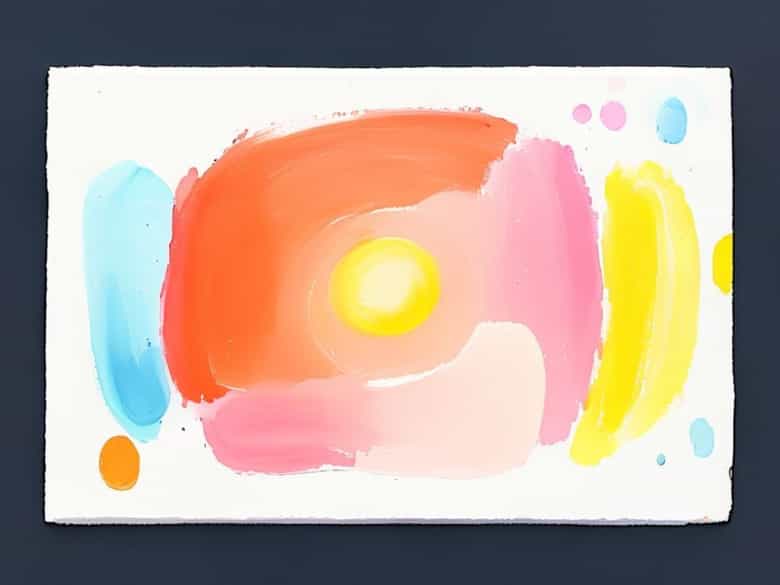
Many artists often wonder whether it is possible to mix gouache and acrylic paints in their artwork. Both mediums have unique properties, and understanding how they interact is essential for achieving the desired results. Gouache is known for its matte, opaque finish and reactivatable nature, while acrylic dries quickly to a waterproof surface with vibrant colors. Mixing these two paints can open up creative possibilities, but it requires knowledge of their characteristics, compatibility, and best practices to avoid unexpected results or difficulties in application.
Understanding Gouache and Acrylic Paint
Gouache is a water-based paint that has a high pigment concentration, giving it excellent opacity and a smooth, matte finish. It can be diluted with water to create washes similar to watercolor or applied in thick layers for bold, solid color. One key feature of gouache is its ability to be reactivated with water even after drying, which allows for blending and corrections.
Acrylic paint, on the other hand, is a versatile medium that also uses water as a solvent but dries to a permanent, water-resistant finish. Acrylics are available in a range of viscosities and can mimic the appearance of oil or watercolor depending on how they are thinned. Unlike gouache, once acrylic dries, it cannot be reworked with water. This difference in behavior is crucial when considering mixing these two types of paint.
Key Differences Between Gouache and Acrylic
- OpacityGouache provides a soft, matte, and opaque finish, while acrylic offers a more vibrant, sometimes glossy finish depending on the medium.
- ReactivationGouache can be rewet after drying, whereas acrylic becomes permanent once dry.
- TextureGouache has a creamy, smooth texture that blends easily, while acrylic can vary from fluid to heavy body and may require additives for smooth blending.
- Surface CompatibilityGouache works best on paper or illustration boards, whereas acrylic can be applied to canvas, wood, and a wider variety of surfaces.
Can You Mix Gouache and Acrylic?
Technically, you can mix gouache and acrylic, but the results may vary depending on the proportions, application method, and surface used. Since acrylic dries faster and forms a water-resistant layer, it can limit the reactivation of gouache when combined. If a layer of acrylic is applied over gouache, the gouache may resist bonding fully or reactivate in unexpected ways when water is introduced. Conversely, adding gouache to acrylic can slightly dilute the acrylic, giving a softer, matte effect but also potentially affecting drying time and adhesion.
Best Practices for Mixing
To achieve the best results when mixing gouache and acrylic, consider the following tips
- Test Small Areas FirstExperiment on a scrap piece of paper or canvas to see how the paints interact before committing to a larger piece.
- Layering Instead of Direct MixingApply gouache first, let it dry, then use acrylic over it for vibrant highlights. Alternatively, use acrylic first, let it cure, and then add gouache for matte detailing.
- Use Mediums WiselyAcrylic mediums can adjust consistency and finish, making it easier to blend with gouache without affecting adhesion or drying.
- Maintain Color IntegrityKeep in mind that gouache is more prone to color shift when mixed with acrylic. Test color combinations to ensure they match your intended palette.
Techniques for Combining Gouache and Acrylic
Artists can explore several techniques to combine gouache and acrylic effectively. Each approach takes advantage of the unique properties of both paints while minimizing potential conflicts.
Layering Technique
This method involves applying one paint over the other rather than mixing them directly. For example, an artist might paint a background with acrylic for its bold, permanent coverage, then add gouache details on top for matte highlights and soft textures. The key is to allow the base layer to dry completely to prevent the gouache from reactivating the acrylic layer beneath.
Mixed Palette Technique
In this approach, small amounts of gouache can be added to acrylic to slightly soften its texture or tone down gloss. This technique can be used sparingly to achieve a muted, matte effect in certain areas of the painting. However, it is important to mix thoroughly and use quickly, as acrylic’s fast drying time can make blending challenging.
Water-Control Technique
Because gouache is water-reactive and acrylic is water-resistant when dry, controlling water content is essential. When blending, keep gouache wetter for more flexibility, while using thicker acrylic layers with minimal water. Understanding the water ratio allows for smoother transitions and better adherence between layers.
Benefits of Combining Gouache and Acrylic
Mixing gouache and acrylic offers several advantages that can enhance creativity and expand artistic possibilities
- VersatilityArtists can achieve both vibrant, permanent colors and soft, matte textures in the same piece.
- Layering OptionsDifferent layers of paint can create depth, highlights, and complex visual effects.
- Creative FlexibilityThe combination allows experimentation with finishes, transparency, and blending techniques.
- Time EfficiencyAcrylic can be used for quick-drying base layers, while gouache provides flexibility for corrections and detailing.
Potential Challenges
Despite the benefits, combining these paints can present challenges. Gouache may lift when water is applied over acrylic, and acrylic may overpower gouache if mixed too heavily. Drying times differ, requiring patience and careful planning. Surface preparation is also important to ensure proper adhesion and avoid cracking or peeling.
it is possible to mix gouache and acrylic, but it requires understanding the properties of each medium and applying thoughtful techniques. Layering, controlled mixing, and testing small areas first are key to achieving successful results. Combining gouache’s matte, reactivatable quality with acrylic’s vibrant, durable finish can expand artistic possibilities and allow for unique textures, effects, and finishes in a painting. With experimentation and practice, artists can harness the strengths of both mediums and create dynamic, visually appealing artwork that benefits from the best of gouache and acrylic.