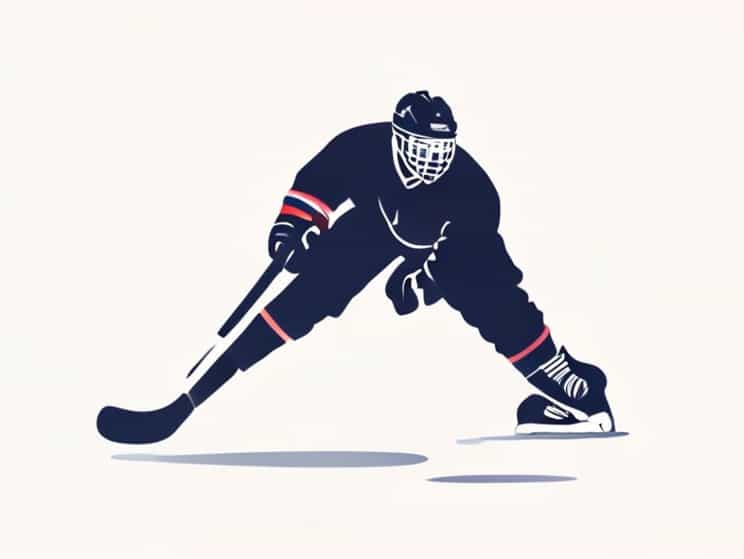
Hockey is a fast, physical, and highly skilled sport with a language all its own. Fans and players often use slang terms that may sound confusing or even misleading to people who are new to the game. One phrase that frequently pops up in highlight reels, locker room talk, and social media clips is dirty dangle. Despite how it may sound to outsiders, this term has nothing to do with unsportsmanlike behavior. Instead, it celebrates creativity, confidence, and elite puck-handling ability on the ice.
Understanding Hockey Slang and Culture
Hockey culture is deeply rooted in tradition, but it also thrives on personality and flair. Over time, players and fans have developed informal language to describe moments that statistics cannot fully capture.
Terms like snipe, celly, beauty, and dangling are part of everyday hockey talk. A dirty dangle fits right into this culture, describing a moment that makes teammates cheer and defenders shake their heads.
What Is a Dangle in Hockey?
Before understanding a dirty dangle, it helps to know what a dangle is in general hockey terms. A dangle refers to a skillful puck-handling move where an offensive player uses quick hands, deception, and timing to get around a defender.
Dangles often involve stickhandling moves such as toe drags, quick shifts in direction, or subtle fakes that cause a defender to lose balance or position.
The Purpose of a Dangle
The main goal of a dangle is to create space. By beating a defender one-on-one, the puck carrier opens up shooting lanes, passing options, or a clear path to the net.
Dangles are especially common in breakaways, power plays, and one-on-one situations along the boards.
So, What Is a Dirty Dangle?
In hockey, a dirty dangle is an especially impressive, slick, or embarrassing puck-handling move that leaves a defender completely beaten. The word dirty does not imply cheating or illegal play.
Instead, it suggests that the move was so smooth, unexpected, or effective that it almost feels unfair to the defender.
Why It’s Called Dirty
The term dirty is used playfully. It reflects how devastating the move looks from the defensive side. When a player’s ankles are broken by a quick deke, teammates might joke that the dangle was dirty.
It is a compliment to the offensive player’s creativity and confidence.
Common Types of Dirty Dangles
Not all dirty dangles look the same. They come in many forms, depending on the situation and the player’s style.
The Toe Drag
One of the most iconic dirty dangles is the toe drag. The player pulls the puck toward their body using the toe of the blade, then quickly moves it around the defender’s stick or skates.
This move is effective because it changes the puck’s position faster than the defender can react.
The Between-the-Legs Move
Another popular dirty dangle involves pulling the puck between the player’s own legs to evade a defender. This move requires excellent balance and puck control.
When executed successfully, it often draws loud reactions from the crowd.
The Fake Shot or Pass
Sometimes a dirty dangle is less about fancy stickhandling and more about deception. A fake shot or pass can freeze a defender just long enough for the puck carrier to slip by.
These subtle dangles are often appreciated most by experienced hockey fans.
Dirty Dangles vs. Showboating
One common debate in hockey is whether dirty dangles cross the line into showboating. Traditionally, hockey values teamwork and humility, and excessive flash can be frowned upon.
However, modern hockey increasingly embraces skill and creativity, especially when it contributes to scoring chances.
Respecting the Game
A dirty dangle is generally respected when it serves a purpose, such as creating a scoring opportunity. It becomes controversial only when used to embarrass an opponent unnecessarily.
Context matters, including the score, time left in the game, and level of competition.
Why Fans Love Dirty Dangles
Dirty dangles are exciting because they showcase the highest level of individual skill. They break the flow of predictable plays and add artistry to the game.
Highlight reels filled with dirty dangles often go viral, attracting both hardcore fans and casual viewers.
Entertainment Value
Hockey is already fast and intense, but a dirty dangle adds an element of surprise. It creates memorable moments that people talk about long after the game ends.
For young players, these moves are often inspirational.
Players Known for Dirty Dangles
Certain players develop reputations for having elite hands and confidence with the puck. These players are often associated with dirty dangles throughout their careers.
They are trusted to take one-on-one chances because of their skill and hockey sense.
Skill and Creativity
Players known for dirty dangles usually spend countless hours practicing puck control. What looks effortless on the ice is the result of years of repetition and creativity.
These players also have strong awareness, knowing when to attempt a high-risk move.
Dirty Dangles at Different Levels of Hockey
Dirty dangles appear at all levels of the game, from youth hockey to professional leagues. However, the perception of these moves can change depending on the level.
Youth and Amateur Hockey
In youth hockey, coaches may discourage excessive dangling to emphasize teamwork and fundamentals. Still, controlled skill development is encouraged.
A well-timed dangle can boost confidence and excitement.
Professional Hockey
At the professional level, dirty dangles are celebrated when they lead to goals or scoring chances. Defenders expect elite skill and are less likely to take offense.
The Role of Confidence in a Dirty Dangle
Confidence is a key ingredient in pulling off a dirty dangle. Hesitation often leads to turnovers, while commitment makes the move effective.
Players must trust their instincts and read the defender’s positioning.
How Defenders React to Dirty Dangles
From a defender’s perspective, getting beaten by a dirty dangle can be frustrating. However, experienced defenders learn from these moments.
They may adjust their gap control, stick positioning, or angle of approach to reduce future risks.
Is a Dirty Dangle Legal?
Yes, a dirty dangle is completely legal as long as it follows the rules of the game. It does not involve tripping, hooking, or any form of illegal contact.
It is purely a skill-based move using the stick and puck.
Why the Term Matters in Hockey Language
The phrase dirty dangle reflects how hockey language evolves to capture emotion and style. It communicates admiration, excitement, and respect in just two words.
For fans, understanding this term adds depth to watching and enjoying the game.
Key Characteristics of a Dirty Dangle
- Exceptional puck control and hand speed
- Effective deception or misdirection
- A defender clearly beaten or out of position
- A purpose, such as creating a scoring chance
In hockey, a dirty dangle is a moment of pure skill that highlights the creativity and confidence of a player. Far from being unsportsmanlike, it is a celebrated part of the modern game when used effectively and respectfully.
Whether it happens in a youth rink or a packed professional arena, a dirty dangle reminds fans why hockey is so exciting to watch. It blends speed, intelligence, and artistry into a single move that can change the momentum of a game and leave a lasting impression on everyone who sees it.