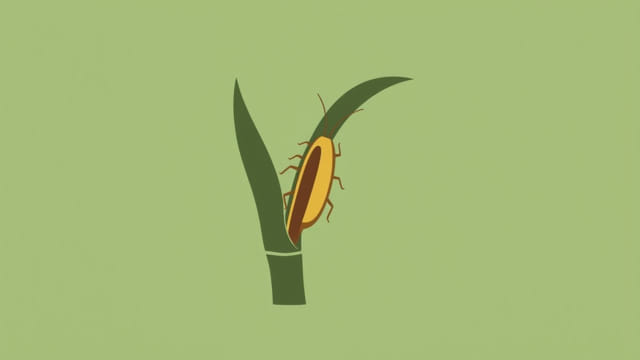
Internode borer of sugarcane is one of the most destructive insect pests affecting sugarcane crops, particularly in tropical and subtropical regions. It causes significant damage by boring into the sugarcane stalk and feeding on the internal tissues, leading to a reduction in both yield and juice quality. Farmers often face severe economic losses due to this pest, which affects the structural integrity of the plant and lowers the overall sugar content. Understanding the biology, lifecycle, damage symptoms, and control measures of the internode borer is crucial for effective sugarcane pest management and sustainable crop production.
Identification of Internode Borer
Scientific Name and Classification
The internode borer of sugarcane is scientifically known as Chilo sacchariphagus indicus. It belongs to the family Crambidae in the order Lepidoptera. The adult is a moth, while the damaging stage is the larva or caterpillar.
Adult and Larval Characteristics
- Adult Moth: The adult moth is small, slender, and typically light brown or grayish with narrow wings. The wings are marked with fine lines and are fringed on the edges.
- Larvae: The caterpillars are creamy-white with a brown head and a segmented body. As they mature, they grow up to 20-25 mm in length and can be found inside the sugarcane stalks.
- Eggs: Eggs are laid in clusters on the sugarcane leaves, particularly near the midrib on the underside. They are flattened and white in color, turning brown before hatching.
Lifecycle of Internode Borer
The lifecycle of the internode borer includes four main stages: egg, larva, pupa, and adult. The complete development cycle varies depending on climate and environmental conditions, but it typically spans about 35 to 45 days.
Stage-by-Stage Breakdown
- Egg Stage: The female moth lays eggs in clusters. These hatch in about 5 to 7 days.
- Larval Stage: After hatching, larvae bore into the sugarcane stalks, where they feed and grow for 15 to 25 days. This is the most damaging stage of the pest.
- Pupal Stage: Pupation takes place within the bored cane. This stage lasts for 7 to 10 days before the adult moth emerges.
- Adult Stage: The moth lives for 4 to 6 days, during which time mating and egg-laying occur, continuing the cycle.
Symptoms and Nature of Damage
Detecting early symptoms of internode borer infestation is essential for timely management. The larva causes internal damage that may go unnoticed until the crop is severely affected.
Visible Signs of Infestation
- Entry holes on the internodes of the sugarcane stalk
- Frass (sawdust-like excreta) near the bored holes
- Yellowing and drying of the central shoot in younger plants
- Cracked or split internodes, often with fungal infections
- Reduced juice quality and lower sugar recovery
Over time, the borer weakens the structural integrity of the cane, making it prone to lodging and breakage. Infested canes also become unfit for milling, leading to direct economic losses.
Factors Favoring Infestation
Certain environmental and agronomic conditions can encourage the spread of internode borer infestations:
- High humidity and warm temperatures
- Continuous monoculture of sugarcane
- Dense planting with poor air circulation
- Neglect of crop sanitation and removal of crop residues
- Lack of timely pest monitoring and intervention
Understanding these contributing factors can help farmers implement preventive strategies to minimize infestation risks.
Management and Control Strategies
Cultural Control Methods
- Crop Rotation: Rotate sugarcane with non-host crops like legumes to break the pest’s lifecycle.
- Early Harvesting: Harvesting at the right maturity stage can reduce the pest’s impact and prevent further spread.
- Field Sanitation: Remove and destroy infested canes, stubble, and crop residues after harvest.
- Resistant Varieties: Use sugarcane varieties that show natural resistance or tolerance to internode borer infestation.
Biological Control
Biological methods can be effective and environmentally friendly. These include:
- Parasitoids: Releasing egg and larval parasitoids such as Trichogramma chilonis and Sturmiopsis inferens to reduce pest populations.
- Predators: Encouraging natural predators like lady beetles and spiders in sugarcane fields.
- Microbial Insecticides: Spraying Bacillus thuringiensis (Bt) formulations that target the larval stage.
Chemical Control
Chemical insecticides should be used carefully and only when necessary to avoid resistance development and negative environmental effects. Effective practices include:
- Monitoring pest thresholds before applying insecticides
- Using selective insecticides like chlorantraniliprole or emamectin benzoate
- Targeting early larval stages before they bore into the cane
- Rotating insecticides to avoid resistance buildup
Always follow label instructions and local agricultural guidelines when applying chemical treatments.
Integrated Pest Management (IPM)
IPM combines cultural, biological, and chemical control methods for long-term and sustainable pest management. Key components include:
- Regular monitoring and field scouting
- Early detection and timely intervention
- Use of pheromone traps for adult moth monitoring
- Combination of resistant varieties, clean cultivation, and natural enemy conservation
Economic Impact on Sugarcane Production
The internode borer can cause substantial losses in sugarcane production. Infestations may result in:
- 20% to 50% yield reduction in severe cases
- Lower cane weight due to damaged internodes
- Decreased juice purity and sugar recovery
- Increased cost of pest management and crop rehabilitation
In regions where sugarcane is a primary cash crop, these losses directly affect farmer income and regional economies. Therefore, proactive pest management is essential to maintain profitability and sustainability in sugarcane farming.
The internode borer of sugarcane remains a major challenge for sugarcane growers, particularly in tropical areas. Its hidden and damaging feeding behavior makes early detection and effective management critical. By adopting a combination of cultural practices, biological controls, and responsible chemical use, farmers can significantly reduce infestation levels and protect their crops. Integrated pest management not only controls the pest but also promotes environmental health and long-term agricultural productivity. Awareness and education about this pest are essential to building a resilient and profitable sugarcane industry.