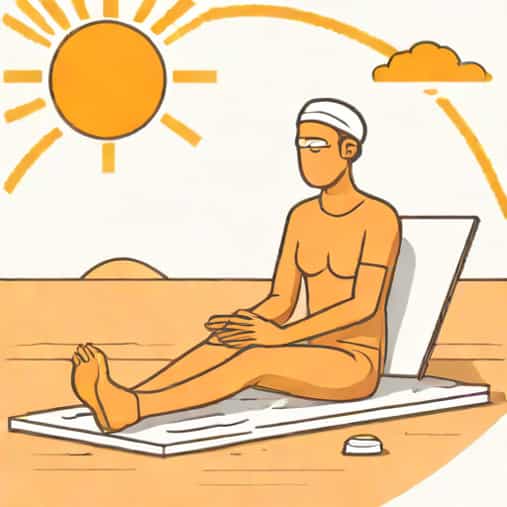
A patient who is suffering from heatstroke is facing one of the most dangerous heat-related medical emergencies. Heatstroke happens when the body is exposed to extremely high temperatures or intense physical exertion in hot weather, causing the body’s temperature regulation system to fail. When this happens, body temperature rises rapidly, vital organs begin to struggle, and immediate care becomes essential. Understanding how heatstroke develops, what signs to look for, and how to respond can truly make the difference between recovery and life-threatening complications.
Understanding Heatstroke in Simple Terms
Heatstroke occurs when the body temperature rises to around 40°C (104°F) or higher and the body can no longer cool itself efficiently. Normally, sweat helps regulate temperature, but in heatstroke this system becomes overwhelmed or fails completely. The patient becomes overheated internally, and this intense heat affects the brain, muscles, and internal organs.
A patient suffering from heatstroke may reach this condition due to prolonged exposure to direct sunlight, physical activity in hot weather, dehydration, or staying in enclosed spaces with poor ventilation. Older adults, children, athletes, outdoor workers, and people with chronic illnesses are at higher risk, although anyone can be affected.
Common Signs and Symptoms in a Heatstroke Patient
Recognizing the symptoms of heatstroke is extremely important because early response can prevent serious complications. Symptoms may appear suddenly or develop after periods of heat exhaustion.
Typical Warning Signs
Some of the most common signs seen in a patient suffering from heatstroke include
- Very high body temperature
- Hot, flushed, or dry skin
- Rapid pulse and difficulty breathing
- Headache, dizziness, or confusion
- Nausea or vomiting
- Loss of coordination or weakness
- Seizures or unconsciousness in severe cases
The brain is particularly sensitive to heat, so mental changes such as confusion, agitation, unusual behavior, or fainting should be taken very seriously. These warning signs mean the patient needs urgent help.
What Happens Inside the Body
When someone suffers from heatstroke, the body’s temperature control system essentially shuts down. Blood flow shifts, sweating reduces or stops, and organs begin to overheat. Muscles break down under stress, releasing substances that can damage the kidneys. The heart has to work harder to circulate blood and oxygen. Meanwhile, the brain suffers from swelling and lack of proper regulation.
This explains why heatstroke is not simply about feeling too hot; it is a full medical emergency affecting multiple systems in the body.
Immediate First Aid for a Heatstroke Patient
When a person shows signs of heatstroke, quick action is critical. Immediate cooling and medical attention can save their life.
Steps to Help a Heatstroke Patient
- Move the patient to a shaded or cool place
- Remove excess clothing to allow heat release
- Cool the body using cold water, wet cloths, or cool mist
- Fan the patient to increase cooling
- Apply ice packs to armpits, neck, and groin if available
- Offer small sips of water if the person is conscious and able to swallow
Do not give very cold drinks to an unconscious patient and do not delay seeking medical help. While cooling is essential, professional assessment is still needed because internal organs may already be affected.
Medical Treatment and Care
When a heatstroke patient reaches medical care, healthcare professionals continue rapid cooling while monitoring vital functions. Intravenous fluids help restore hydration and stabilize blood pressure. Doctors watch kidney function, heart rate, brain activity, and muscle health, ensuring the patient remains stable.
In extreme cases, more advanced procedures may be required to reduce body temperature safely. The goal is always to cool the patient as quickly as possible while preventing damage to organs.
Possible Complications
If heatstroke is not treated quickly, serious health problems can develop. Long-lasting high body temperature may lead to organ failure, brain injury, or even death. Some patients experience lingering memory problems, fatigue, or muscle weakness after recovery.
Because of these risks, prevention and rapid response are always better than waiting for heatstroke to worsen.
Risk Factors for Heatstroke
Several conditions increase the likelihood of experiencing heatstroke. Risk rises when environmental temperature and humidity are high, especially when physical exertion is involved. Dehydration makes it easier for the body to overheat, and alcohol or caffeine may worsen fluid loss.
Certain medications, such as those affecting sweating or fluid levels, may also increase risk. Infants, elderly individuals, people with heart disease, respiratory problems, or obesity may face higher danger because their bodies have more difficulty regulating heat.
Prevention Protecting Against Heatstroke
The best approach to heatstroke is prevention. Simple awareness and preparation can significantly reduce risk.
Preventive Tips
- Stay hydrated regularly, not only when thirsty
- Avoid extreme physical activity during peak heat hours
- Wear lightweight, breathable clothing
- Use hats, shade, or shelter outdoors
- Take frequent rest breaks when working or exercising in heat
- Never leave children, elderly individuals, or pets in closed vehicles
Listening to the body’s signals is important. Fatigue, dizziness, or unusual weakness during hot weather should never be ignored.
Emotional and Physical Experience of a Heatstroke Patient
A person suffering from heatstroke often feels overwhelmed, confused, and extremely weak. They may feel as if their body is burning from the inside. Breathing becomes harder, thinking becomes unclear, and some people panic because they sense their body failing. This physical distress combined with mental disorientation makes reassurance and quick help very important.
Family members, friends, or bystanders play a major role in recognizing danger and acting calmly. Offering comfort while starting cooling measures helps reduce fear and supports recovery.
Recovery and Aftercare
After surviving heatstroke, patients may need rest and medical follow-up. The body needs time to recover from heat stress. Doctors may advise avoiding intense heat exposure for some time and increasing hydration habits. In some cases, emotional support is also valuable because the experience can be frightening.
Education after recovery is crucial. Understanding what caused the heatstroke helps prevent it from happening again, especially for athletes, outdoor workers, and people living in consistently hot climates.
A patient who is suffering from heatstroke is facing a serious medical emergency that demands quick recognition, fast cooling, and professional care. Heatstroke can damage the brain, heart, kidneys, and muscles if ignored, but with knowledge, awareness, and timely response, many lives can be protected. By understanding symptoms, causes, treatment steps, and prevention strategies, people can respond confidently and help keep themselves and others safe during extreme heat conditions.