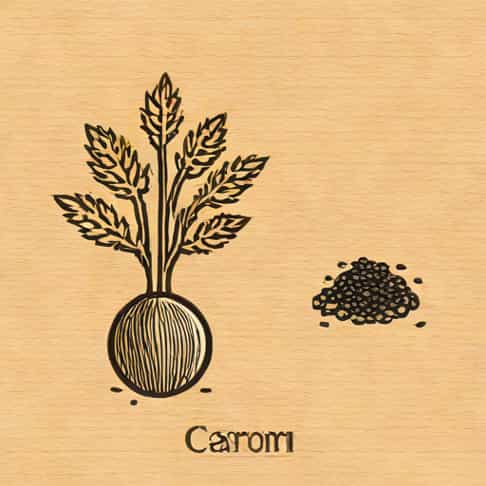
Many people come across carom and caraway seeds while cooking or reading recipes and wonder whether they are the same or simply different names for one spice. Although they look somewhat similar at first glance, the difference between carom and caraway seeds is significant in terms of flavor, aroma, origin, and culinary use. Both seeds have long histories in traditional cooking and natural remedies, yet they belong to different plants and play unique roles in kitchens around the world. Understanding how carom seeds differ from caraway seeds can help home cooks and food enthusiasts use them more confidently and accurately.
What Are Carom Seeds
Carom seeds, also known as ajwain, are commonly used in Indian, Middle Eastern, and North African cuisine. They come from the plant Trachyspermum ammi and are small, oval, and ridged. Despite their name, carom seeds are not related to caraway seeds, and their flavor profile is quite distinct.
Flavor and Aroma of Carom Seeds
The taste of carom seeds is strong, pungent, and slightly bitter. Many people describe the flavor as similar to thyme, mainly because carom seeds contain thymol, a compound also found in thyme. This intense aroma makes ajwain a powerful spice, often used in small quantities to enhance dishes.
Common Culinary Uses
Carom seeds are frequently added to breads, snacks, lentil dishes, and vegetable preparations. They are often lightly crushed or fried in oil to release their essential oils before being mixed into food. In Indian cooking, carom seeds are valued for their ability to improve flavor and aid digestion.
What Are Caraway Seeds
Caraway seeds come from the plant Carum carvi, which belongs to the parsley family. These seeds are widely used in European, Middle Eastern, and North African cuisines. Caraway seeds are longer, curved, and slightly darker than carom seeds, making them visually distinct upon closer inspection.
Flavor and Aroma of Caraway Seeds
The flavor of caraway seeds is warm, nutty, and slightly sweet with hints of anise and fennel. Unlike the sharp taste of carom seeds, caraway seeds have a milder, more rounded profile that blends well with both savory and sweet dishes.
Popular Culinary Applications
Caraway seeds are commonly used in bread, especially rye bread, as well as in soups, stews, cheeses, and meat dishes. In some cultures, they are also used in desserts and liqueurs. Their pleasant aroma makes them a versatile spice in many traditional recipes.
Key Differences in Appearance
Although carom and caraway seeds may look similar at first glance, there are noticeable differences in size, shape, and color that help distinguish them.
- Carom seeds are smaller and more oval in shape
- Caraway seeds are longer and slightly curved
- Carom seeds are lighter in color
- Caraway seeds are darker with more pronounced ridges
Difference Between Carom and Caraway Seeds in Taste
Taste is one of the most important factors when comparing carom and caraway seeds. Using the wrong seed in a recipe can significantly alter the final flavor.
Strong Versus Mild Flavor
Carom seeds have a sharp, almost medicinal taste due to their high thymol content. This makes them ideal for dishes that need a bold flavor boost. In contrast, caraway seeds offer a gentle sweetness and mild spice that complements a wide range of ingredients without overpowering them.
Substitution Considerations
Because of their different flavor profiles, carom and caraway seeds are not perfect substitutes for each other. Replacing caraway seeds with carom seeds can make a dish too strong, while using caraway seeds instead of carom may result in a lack of depth.
Differences in Culinary Traditions
The difference between carom and caraway seeds is also reflected in how they are traditionally used across cultures.
Carom Seeds in Asian Cooking
In South Asian cuisine, carom seeds are often associated with savory snacks, flatbreads, and digestive dishes. They are frequently combined with other spices such as cumin and coriander to create complex flavor profiles.
Caraway Seeds in European Cuisine
Caraway seeds play a prominent role in European cooking, particularly in Central and Eastern Europe. They are commonly used in hearty dishes, breads, and fermented foods, where their mild sweetness enhances rich flavors.
Nutritional and Digestive Properties
Both carom and caraway seeds have been traditionally valued not only for their taste but also for their digestive benefits.
Carom Seeds and Digestion
Carom seeds are widely used in traditional remedies to relieve indigestion, bloating, and gas. Their strong essential oils are believed to stimulate digestive enzymes and reduce discomfort after meals.
Caraway Seeds and Gut Health
Caraway seeds are also known for supporting digestion, though in a gentler way. They are often used to ease stomach cramps and improve appetite, making them popular in both cooking and herbal preparations.
Growing and Botanical Differences
From a botanical perspective, the plants that produce carom and caraway seeds are entirely different, despite their similar-looking seeds.
Carom Plant Characteristics
The carom plant thrives in warm climates and is commonly grown in India and surrounding regions. It produces small white flowers that eventually develop into the aromatic seeds used in cooking.
Caraway Plant Characteristics
The caraway plant prefers cooler climates and is cultivated in parts of Europe and Asia. It is a biennial plant, meaning it takes two years to complete its life cycle and produce seeds.
Choosing the Right Seed for Your Recipe
Knowing the difference between carom and caraway seeds helps ensure the success of your recipes. Selecting the correct seed depends on the desired flavor intensity and the type of dish being prepared.
- Use carom seeds for bold, savory, and spicy dishes
- Choose caraway seeds for mild, aromatic, and slightly sweet flavors
- Pay attention to regional recipes for authenticity
The difference between carom and caraway seeds goes far beyond their similar appearance. They differ in flavor, aroma, culinary use, and cultural significance. Carom seeds bring a strong, thyme-like punch to dishes, while caraway seeds offer a gentle, warm sweetness that enhances a wide range of foods. By understanding these distinctions, cooks can make better choices in the kitchen and appreciate the unique qualities each seed brings to the table. Whether you are exploring new recipes or refining traditional ones, knowing when to use carom or caraway seeds can elevate both flavor and confidence in cooking.