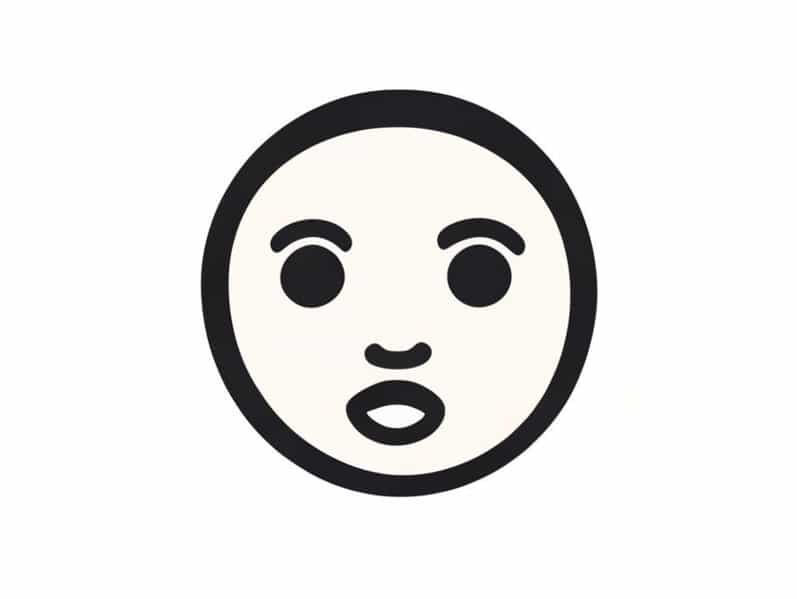
Facial expressions are one of the most powerful forms of human communication and serve as a clear example of gestural communication. They convey emotions, intentions, and reactions without the need for spoken words, allowing people to connect and understand each other on a deeper level. From a smile indicating happiness to a frown showing displeasure, facial expressions play a crucial role in daily interactions. In both personal and professional settings, understanding and interpreting these gestures can improve relationships, enhance social awareness, and aid in effective communication. This topic explores how facial expressions function as gestures, their significance, types, and examples in everyday life.
Understanding Gestural Communication
Gestural communication involves conveying meaning through physical movements, actions, or expressions rather than through verbal language. It includes hand gestures, body posture, eye contact, and facial expressions. Gestures can be intentional, like signaling approval with a thumbs-up, or unintentional, reflecting emotions and feelings. Facial expressions are particularly significant because they are universally recognized across cultures and often reveal a person’s true emotions, even when words might suggest otherwise. In this way, facial expressions are a primary example of gestural communication.
The Role of Facial Expressions
Facial expressions serve several essential functions in human interaction. They
- Convey emotions such as happiness, anger, sadness, surprise, fear, or disgust.
- Provide feedback during conversations, indicating understanding, agreement, or confusion.
- Enhance verbal communication by adding emphasis or nuance.
- Serve as social signals, helping people navigate relationships and social norms.
Examples of Facial Expressions as Gestures
Facial expressions are versatile and can communicate complex messages without a single word being spoken. Some examples of common facial expressions and their meanings include
Happiness and Joy
A smile is the most recognizable facial expression associated with happiness and joy. It can range from a slight grin to a broad, open-mouthed laugh. Smiling gestures indicate friendliness, approachability, and approval. In social interactions, a smile can build rapport, ease tension, and create a positive atmosphere.
Sadness and Grief
Facial expressions of sadness often involve drooping eyes, a downturned mouth, and a furrowed brow. These gestures signal emotional distress, disappointment, or loss. Recognizing these expressions allows others to respond with empathy, support, or comfort. In professional settings such as counseling or healthcare, understanding facial cues of sadness is crucial for effective communication.
Anger and Frustration
Anger is typically displayed through narrowed eyes, tightened lips, and a tense jaw. These facial gestures communicate displeasure, disagreement, or irritation. In personal interactions, identifying anger through facial expressions helps prevent conflicts from escalating and encourages appropriate responses. For example, a manager noticing an employee’s angry expression might address the issue calmly before it affects team morale.
Fear and Anxiety
Fear is expressed through wide-open eyes, raised eyebrows, and slightly open mouth. Facial gestures indicating fear or anxiety alert others to potential danger or discomfort. These expressions are often instinctive and universally understood, making them an essential form of non-verbal communication in emergency situations or high-stress environments.
Surprise and Shock
Facial expressions of surprise typically include raised eyebrows, wide eyes, and a dropped jaw. These gestures convey sudden attention, curiosity, or unexpected reactions. In social contexts, recognizing surprise can facilitate shared experiences and empathetic responses, strengthening interpersonal connections.
Disgust
Expressions of disgust involve a wrinkled nose, raised upper lip, and squinted eyes. This facial gesture signals aversion or disapproval, often in response to unpleasant tastes, smells, or actions. Understanding expressions of disgust helps in both social and professional interactions by guiding appropriate behavioral responses.
Importance of Facial Expressions in Communication
Facial expressions are vital for several reasons
- They convey emotions quickly and effectively, often more reliably than words.
- They support verbal communication, adding depth and meaning to spoken language.
- They facilitate empathy and understanding in social interactions.
- They play a role in cultural and social norms, influencing how messages are interpreted.
Facial Expressions Across Cultures
While some facial expressions are universal, cultural differences can influence how gestures are interpreted. For instance, a smile generally indicates happiness worldwide, but the context, intensity, and accompanying gestures may vary. Understanding cultural nuances is essential for effective communication in international settings, especially in business, diplomacy, and travel. Despite these variations, the basic emotional content of facial expressions remains a consistent example of gestural communication globally.
Applications in Everyday Life
Facial expressions are used in numerous aspects of daily life, including
- Social interactions with family, friends, and colleagues.
- Customer service, where understanding emotions enhances client satisfaction.
- Education, where teachers read students’ expressions to gauge understanding and engagement.
- Healthcare, where practitioners assess patients’ emotions and pain through facial cues.
- Performing arts, where actors use expressions to convey emotions and narrative without words.
Techniques to Interpret Facial Expressions
Interpreting facial expressions accurately requires observation and attention to subtle cues. Key techniques include
- Noticing changes in the eyes, mouth, and eyebrows.
- Observing micro-expressions that may reveal fleeting emotions.
- Considering the context in which the expression occurs.
- Combining facial gestures with body language and tone of voice for a complete understanding.
Facial expressions are a clear and universally recognized example of gestural communication. They convey emotions, intentions, and social signals that words alone cannot fully express. From happiness and sadness to anger and surprise, facial gestures play a critical role in everyday interactions, professional settings, and cultural exchanges. Understanding the meaning and impact of facial expressions enhances communication, fosters empathy, and strengthens social connections. By paying attention to these non-verbal cues, individuals can interpret emotions accurately, respond appropriately, and communicate more effectively, highlighting the enduring importance of facial expressions as a form of gestural language.