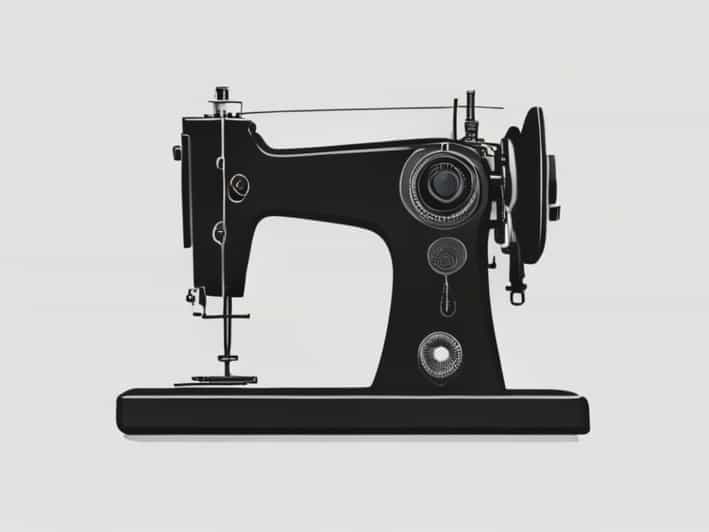
The presser foot is one of the most essential components of a sewing machine, yet many beginners may not fully understand its function or importance. This small but critical part helps hold the fabric firmly against the feed dogs while stitching, ensuring smooth and even sewing. Without a presser foot, it would be nearly impossible to maintain consistent stitches or control the movement of fabric through the machine. The presser foot plays a vital role in determining stitch quality, fabric handling, and the overall efficiency of sewing, making it an indispensable part of both basic and advanced sewing tasks.
What Is a Presser Foot?
The presser foot is a flat, often metal attachment located directly above the needle plate on a sewing machine. It works in conjunction with the feed dogs, which are small, toothed components under the fabric that help move the fabric through the machine. The presser foot holds the fabric in place and applies downward pressure, allowing the feed dogs to guide the fabric evenly. Presser feet can be removed and replaced depending on the type of stitch or sewing task, offering versatility in creating different seams, hems, and decorative stitching.
Basic Function of the Presser Foot
The primary function of the presser foot is to maintain proper contact between the fabric and the feed dogs. This ensures consistent stitch length and prevents the fabric from puckering, bunching, or slipping. By controlling the fabric movement, the presser foot helps produce professional-quality stitching and reduces errors caused by uneven feeding. The pressure applied by the presser foot can usually be adjusted on most sewing machines, allowing for smooth sewing of a variety of fabric types, from delicate silks to thick denim.
Types of Presser Feet and Their Uses
There are many different types of presser feet, each designed for a specific purpose. Choosing the correct presser foot is essential to achieve the best results for a particular sewing task. Some common types include
Standard or All-Purpose Foot
This is the most commonly used presser foot and is suitable for straight stitching and basic zigzag stitches on a wide variety of fabrics. It provides stable support for everyday sewing projects.
Zigzag Foot
The zigzag foot allows for wider stitch patterns, such as decorative stitching or stretch stitches. Its shape provides clearance for the needle to move side to side without hitting the foot, making it essential for zigzag patterns.
Zipper Foot
The zipper foot is narrow and allows the needle to sew very close to the edge of zippers, piping, or other tight spaces. It enables precise stitching in areas where a standard presser foot would not fit.
Buttonhole Foot
This specialized foot helps create evenly sized buttonholes with ease. It typically includes guides to ensure the buttonhole is consistent in length and width, enhancing the overall finish of garments.
Walking Foot
The walking foot, also known as an even-feed foot, is used for sewing multiple layers of fabric or fabrics that tend to shift, such as quilts. It moves the top layer of fabric in sync with the feed dogs, preventing layers from shifting during sewing.
Other Specialized Feet
There are also feet for quilting, embroidery, edge stitching, hemming, and decorative stitching. Each presser foot provides unique advantages and enhances the versatility of a sewing machine, allowing for precise and professional results in a variety of sewing applications.
How the Presser Foot Works
The presser foot functions by pressing the fabric against the feed dogs, which move the fabric at a controlled pace. The needle then moves up and down through the fabric, forming stitches. The downward pressure of the presser foot is crucial because it prevents the fabric from slipping or gathering, especially when sewing lightweight or stretchy fabrics. Some machines allow the presser foot pressure to be adjusted manually, providing greater control over difficult or delicate materials.
Adjustable Pressure
Adjusting the pressure of the presser foot is important for achieving consistent stitching. Too much pressure can cause fabric to stretch or distort, while too little pressure may result in uneven feeding or skipped stitches. By modifying the presser foot pressure, sewists can work effectively with a wide range of fabric types, including knits, lace, and heavy upholstery fabrics.
Importance in Sewing Quality
The presser foot is directly linked to stitch quality and sewing efficiency. Without proper pressure, stitches may become uneven, loose, or misaligned. For professional-quality garments and projects, a correctly positioned and selected presser foot ensures that seams are straight, stitches are uniform, and fabric layers remain aligned. The right presser foot also reduces hand fatigue and improves the overall sewing experience by guiding the fabric smoothly.
Maintaining and Using Presser Feet Properly
To ensure optimal performance, presser feet should be regularly checked and maintained. Common maintenance practices include
- Cleaning lint and thread buildup from the presser foot and surrounding area
- Inspecting the foot for damage or bending that could interfere with stitching
- Replacing specialized feet when switching between tasks, such as using a zipper foot for zippers
- Adjusting pressure settings according to fabric thickness and type
Proper use and maintenance of presser feet prolong the life of the sewing machine and ensure consistent, high-quality results.
The presser foot is an essential component of a sewing machine that plays a critical role in fabric control, stitch quality, and overall sewing efficiency. Its main function is to hold the fabric firmly against the feed dogs, enabling smooth and even stitching. With a variety of presser feet available for different tasks, including standard, zigzag, zipper, buttonhole, and walking feet, sewists can achieve professional results on various fabrics and projects. Understanding the function, types, and proper use of presser feet is key for anyone looking to improve their sewing skills and produce high-quality garments and crafts. Regular maintenance and correct pressure adjustment further ensure that the presser foot performs effectively, making it a small but indispensable part of any sewing machine.