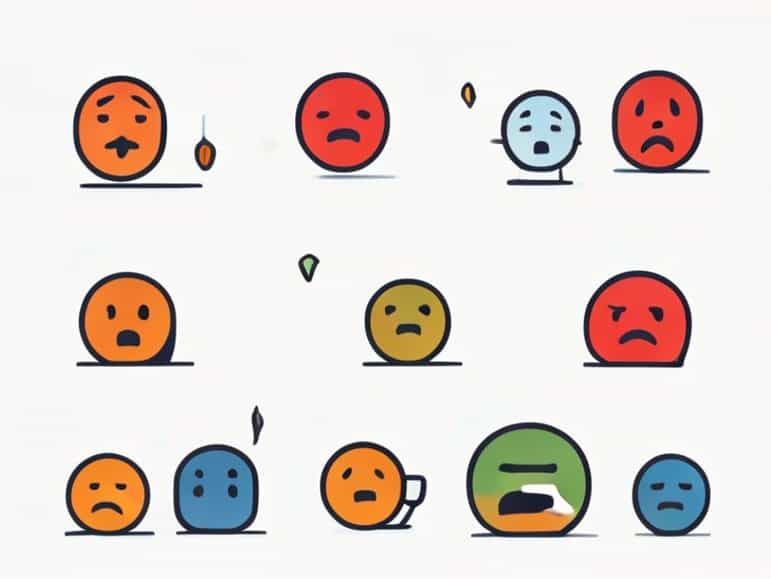
Human beings have an extraordinary capacity to perceive the world around them in emotional terms. One fascinating aspect of this tendency is giving human emotions to inanimate objects, a concept that appears in art, literature, psychology, and everyday life. This phenomenon, often referred to as anthropomorphism, allows people to relate to objects, machines, and environments in ways that evoke empathy, amusement, or reflection. By attributing feelings such as happiness, sadness, or anger to objects that cannot actually experience them, humans create meaningful narratives, connect emotionally with their surroundings, and make sense of abstract or complex situations. Exploring why and how humans assign emotions to inanimate objects reveals insights into creativity, cognitive development, and social behavior.
Understanding Anthropomorphism
Anthropomorphism is the process of assigning human traits, emotions, or intentions to non-human entities. While often associated with animals in storytelling, this concept extends to inanimate objects such as cars, furniture, buildings, or even natural elements like mountains and rivers. The human mind naturally seeks patterns and relatable qualities in the environment, and giving emotions to objects is one way to satisfy this cognitive tendency.
Psychological Basis
- Pattern RecognitionHumans are wired to recognize faces, expressions, and emotions. When an object exhibits features that resemble human characteristics, people instinctively assign feelings to it.
- Social ConnectionPeople are inherently social creatures, and attributing emotions to objects can create a sense of companionship or understanding, reducing feelings of isolation.
- Sense-MakingAssigning emotions to objects helps individuals make sense of abstract phenomena or everyday experiences, turning ordinary items into narrative elements that carry meaning.
For example, someone might describe a stormy sky as angry or a worn-out chair as tired. These expressions reflect the human need to contextualize experiences in emotional terms, even when dealing with non-living things.
Anthropomorphism in Literature and Art
Giving human emotions to inanimate objects has been a powerful tool in literature, art, and storytelling throughout history. Writers and artists use this technique to evoke empathy, create symbolism, and engage audiences in imaginative ways.
Examples in Literature
- In poetry, rain may be described as weeping, reflecting sadness or melancholy in the natural world.
- Children’s stories often feature talking toys, furniture, or vehicles that experience joy, fear, or excitement, helping young readers understand emotions and moral lessons.
- Classic literature sometimes uses weather or landscapes as reflections of human emotion, such as stormy seas symbolizing turmoil or tension.
Visual Arts
In visual arts, anthropomorphism can manifest in the depiction of buildings, objects, or landscapes with expressive qualities. A twisted tree may appear angry in a painting, or a crooked fence may seem sad or lonely. These artistic choices create a narrative, elicit emotional responses, and allow viewers to connect with inanimate subjects on a human level.
Everyday Examples of Emotional Attribution
Beyond art and literature, people frequently give human emotions to objects in daily life. This can be seen in casual speech, consumer behavior, and personal interactions with belongings.
Daily Life Observations
- Referring to a car as stubborn when it won’t start or happy after maintenance.
- Describing a favorite mug as cheerful because of its bright colors or unique design.
- Calling a computer grumpy or slow when it malfunctions.
These expressions are not literal but reflect a cognitive process that humanizes objects, making them easier to relate to and understand. This emotional attribution can even influence how people treat their belongings, often increasing care, attachment, or attention.
Developmental and Cognitive Perspectives
Anthropomorphism also plays a role in cognitive development, particularly in children. Young children often assume that objects have feelings, intentions, or consciousness, which can be an essential part of learning about the world and developing empathy.
Child Development
- Children may speak to dolls, stuffed animals, or toys as if they have emotions.
- This imaginative engagement helps children practice social skills, perspective-taking, and empathy.
- Understanding that objects can represent emotional states aids in developing symbolic thinking, creativity, and narrative skills.
Even in adults, this tendency persists. Humans naturally use anthropomorphism to simplify complex concepts, attribute responsibility, or create emotional connections with their environment.
Scientific and Technological Applications
In modern times, giving human emotions to inanimate objects has found applications in science, technology, and design. Engineers, designers, and psychologists recognize the benefits of creating objects that seem relatable or responsive.
Robotics and AI
- Robots and artificial intelligence are often designed with human-like features, expressions, or voices to increase user comfort and interaction.
- Emotional attribution helps people accept machines as companions or helpers, improving engagement and usability.
- Social robots for healthcare, education, or companionship rely on anthropomorphism to establish trust and empathy.
Product Design and Marketing
In product design, anthropomorphism can enhance consumer experience. Objects with friendly shapes, expressive faces, or perceived emotional qualities are more likely to attract attention, encourage use, and foster attachment. Marketers often personify products in advertising, giving them personalities to evoke emotional connections with customers.
Psychological Benefits and Risks
Giving human emotions to inanimate objects can provide several psychological benefits. It can reduce loneliness, enhance creativity, and strengthen emotional intelligence. People often feel comforted by assigning emotions to familiar items, which can serve as a coping mechanism in stressful or uncertain situations.
Benefits
- Promotes empathy and emotional understanding.
- Encourages imaginative thinking and creativity.
- Provides comfort and reduces feelings of isolation.
Potential Risks
While generally harmless, excessive anthropomorphism can lead to unrealistic expectations or emotional dependency on objects. For example, attributing too much agency to technology or machines may interfere with critical thinking or social interactions. Balancing emotional projection with awareness of reality is important for psychological well-being.
Giving human emotions to inanimate objects is a fascinating and deeply ingrained human tendency. Known as anthropomorphism, this behavior allows people to relate to their surroundings, express creativity, and navigate complex emotional landscapes. It manifests in literature, art, daily life, child development, and even technology, demonstrating its wide-ranging influence. While it has psychological benefits such as fostering empathy, imagination, and emotional comfort, it should be balanced with a clear understanding of reality. Ultimately, the human tendency to ascribe emotions to inanimate objects reflects our desire to connect, understand, and find meaning in the world, transforming the ordinary into something relatable, expressive, and emotionally rich.