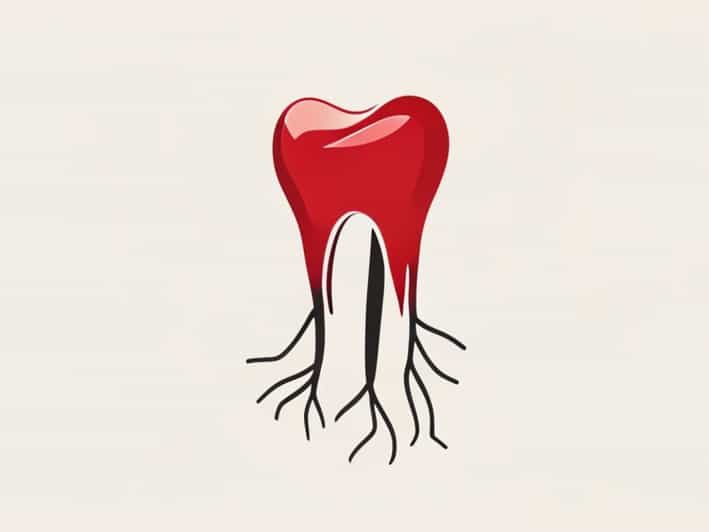
The maxillary first premolar is an important tooth in dental anatomy, often discussed by students, dentists, and specialists due to its unique features. One of the most common questions revolves around how many roots a maxillary first premolar has. Understanding the root structure is essential not only for general dental knowledge but also for clinical procedures such as root canal therapy, extractions, and orthodontic planning. The anatomy of this tooth varies slightly among individuals, making it important to explore both typical patterns and exceptions to provide a comprehensive understanding of this crucial component of the upper dental arch.
Overview of the Maxillary First Premolar
The maxillary first premolar, located between the canine and second premolar in the upper jaw, serves both aesthetic and functional purposes. It helps in tearing food, maintaining facial structure, and supporting occlusion during chewing. Its position also makes it significant in orthodontic treatment, prosthodontics, and endodontics, which makes understanding its root anatomy vital for dental professionals.
Key Anatomical Features
- Located in the maxilla between the canine and second premolar
- Typically has a crown with two cusps buccal and palatal
- Functions in both tearing and grinding of food
- Plays a role in maintaining occlusal alignment
Knowing these features allows dentists to anticipate the challenges they may face during procedures like restorations or endodontic treatments, especially given the variation in root anatomy.
Typical Root Anatomy of Maxillary First Premolars
One of the defining characteristics of the maxillary first premolar is its root anatomy. Most commonly, it presents with two roots a buccal root and a palatal root. This makes it distinct from the maxillary second premolar, which often has a single root. The two-root configuration contributes to the tooth’s stability and anchorage in the jaw, which is critical for chewing and overall dental alignment.
Buccal and Palatal Roots
The buccal root is positioned towards the cheek side, typically slightly longer and more curved. The palatal root is generally straighter and oriented towards the palate. Both roots house root canals, which carry blood vessels and nerves essential for tooth vitality.
- Buccal rootUsually bifurcated in the apical region and may have one or two canals
- Palatal rootGenerally single and larger in diameter, usually containing one canal
The dual-root system can present challenges during procedures such as root canal therapy, as locating and properly cleaning both canals is crucial for long-term success.
Variations in Root Number
While two roots are typical for the maxillary first premolar, anatomical variations exist. Some teeth may have a single root, or occasionally, a third root may be present. These variations can depend on genetic factors, population differences, and individual dental development. Understanding these variations is important for accurate diagnosis and treatment planning.
Common Variations
- Single root Occurs in a small percentage of individuals, usually with a broad canal or bifurcated canal inside
- Three roots Rare, sometimes referred to as radix entomolaris when an extra root is present
- Variations in root curvature Roots may curve mesially, distally, or buccally, affecting access during procedures
Identifying these variations through radiographic examination or advanced imaging techniques such as CBCT is critical before performing endodontic treatment or extraction.
Root Canals in Maxillary First Premolars
Another important aspect related to the number of roots is the root canal system. Each root may contain one or more canals, which are pathways for nerves and blood vessels. The buccal root often contains two canals, making it a two-canal root, while the palatal root usually has one canal. This configuration results in a total of two to three canals in most maxillary first premolars, though variations exist.
Clinical Significance of Canal Anatomy
- Understanding canal anatomy is critical for successful root canal therapy
- Missed canals in the buccal root are a common reason for treatment failure
- Advanced imaging can help detect complex or atypical canal systems
- Proper access preparation and careful instrumentation ensure complete debridement
Awareness of both typical and atypical root canal anatomy improves treatment outcomes and reduces the risk of post-treatment complications.
Importance in Dental Procedures
The number of roots in a maxillary first premolar has practical implications for various dental procedures. During extractions, the presence of two roots may require careful sectioning to prevent fracture. In orthodontics, the root configuration influences tooth movement and anchorage planning. In restorative dentistry, understanding root anatomy ensures that crowns, bridges, and other prosthetic components fit securely without compromising the underlying roots.
Procedural Considerations
- EndodonticsLocate and treat all canals in each root
- ExtractionsSection teeth with multiple roots to avoid fractures
- OrthodonticsEvaluate root morphology for safe tooth movement
- ProsthodonticsEnsure restorations do not compromise root integrity
These considerations highlight the importance of thorough knowledge of the maxillary first premolar’s root anatomy for dental professionals.
Radiographic Evaluation
Before performing any treatment, radiographic imaging is crucial to determine the number of roots and the shape of the canals. Standard periapical X-rays can often reveal two roots, but additional imaging may be necessary in cases of suspected anatomical variation. Cone-beam computed tomography (CBCT) provides a three-dimensional view, enabling precise assessment of root number, curvature, and canal configuration.
Techniques for Accurate Diagnosis
- Multiple angled periapical X-rays
- CBCT scans for complex cases
- Careful palpation and clinical evaluation during treatment
- Review of patient history for anomalies or previous treatments
Using these techniques helps avoid surprises during treatment and ensures more predictable outcomes.
the maxillary first premolar typically has two roots a buccal and a palatal root. This configuration supports the tooth’s functional role in the upper dental arch and presents specific considerations for endodontic, restorative, and orthodontic procedures. Variations such as single roots, three roots, or complex canal systems exist and must be identified through careful radiographic and clinical evaluation. Understanding the number of roots in the maxillary first premolar is not only important for dental students but is essential for practicing clinicians to ensure effective, safe, and successful treatment outcomes. By combining knowledge of typical anatomy with awareness of potential variations, dental professionals can provide high-quality care while minimizing complications and maximizing patient satisfaction.