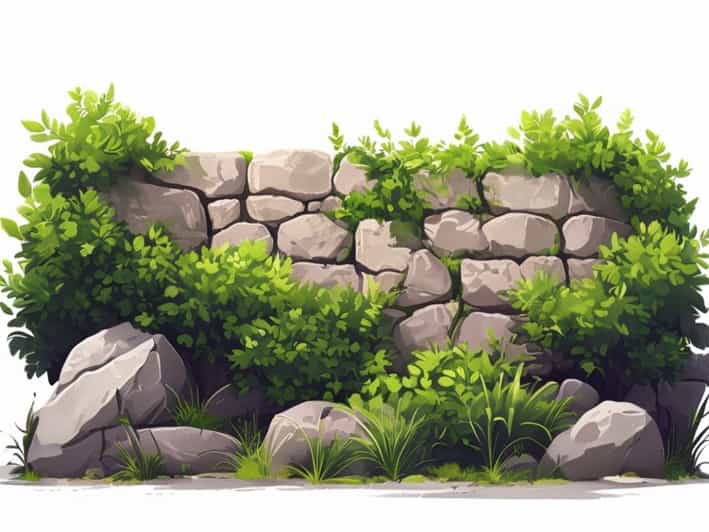
Investigating the shrubbery on a stone wall might sound like a simple task, but it can reveal much about the environment, history, and ecology of a space. Stone walls often serve as both functional and decorative elements in gardens, parks, or rural landscapes, while the shrubbery growing on or near them provides insights into soil conditions, wildlife interactions, and human influence. Careful observation of these plants can tell a story about the surrounding ecosystem, past cultivation practices, and even local climate patterns. By taking the time to explore the shrubbery, one uncovers a hidden layer of life thriving along a seemingly ordinary stone wall.
Understanding the Stone Wall Environment
Microclimate and Growing Conditions
Stone walls create unique microclimates that influence plant growth. The stones absorb heat from the sun during the day and release it slowly at night, which can benefit plants that require warmth. Additionally, the cracks and crevices in the wall collect soil, moisture, and organic material, providing niches for shrubs to take root. When investigating shrubbery on a stone wall, it is important to note how these conditions affect the types of plants growing there and their overall health.
Historical Significance
Stone walls often have historical importance, marking property boundaries, old agricultural practices, or traditional landscaping. The shrubbery growing on these walls may include native species, remnants of cultivated plants, or invasive species introduced over time. By examining the shrubs, one can infer which plants were intentionally planted and which established naturally, offering a glimpse into human interaction with the landscape over decades or even centuries.
Identifying the Shrubbery
Common Shrubs on Stone Walls
Several shrub species commonly grow on or near stone walls, depending on the region and climate. Observing these plants carefully can help identify patterns of growth and ecological relationships. Examples include
- Boxwood (Buxus) Often used in ornamental gardens and hedges, thrives in sunny spots on walls.
- Hawthorn (Crataegus) Hardy shrubs that tolerate poor soil and provide habitat for birds.
- Wild rose (Rosa) Can spread along walls naturally, producing flowers and berries for wildlife.
- Juniper (Juniperus) Adaptable to dry, rocky areas, often used as a decorative plant on walls.
- Euonymus (Euonymus) Known for creeping or climbing tendencies, sometimes growing along stonework.
When investigating the shrubbery, look for characteristics such as leaf shape, flower structure, and growth patterns. These details reveal not only species but also how well the plants have adapted to the wall environment.
Signs of Growth and Health
Healthy shrubbery typically shows vibrant leaves, consistent growth, and robust branching. Signs of stress, such as wilting, discoloration, or sparse foliage, may indicate insufficient nutrients, poor soil, or excessive exposure to wind and sun. Observing these conditions allows investigators to understand how environmental factors influence the shrubbery and what interventions might improve its health.
Ecological Importance of Shrubbery on Stone Walls
Wildlife Habitat
Shrubs growing on stone walls provide essential habitat for small animals, birds, and insects. Birds may use dense branches for nesting, while insects such as bees and butterflies may rely on flowers for nectar. Small mammals might find shelter in the base of the wall or within shrub roots. By documenting which species interact with the shrubs, one can assess the biodiversity supported by this microhabitat.
Soil Stabilization and Erosion Control
The root systems of shrubs help stabilize the soil around stone walls. This is especially important in sloped areas where erosion could damage the structure. Investigating the shrubbery includes evaluating how well plants anchor the soil and prevent degradation of the wall’s foundation. In some cases, shrubs may need reinforcement or pruning to maintain both ecological and structural balance.
Methods for Investigating Shrubbery
Visual Observation
The first step in investigating the shrubbery is careful visual inspection. Take note of the plant species, leaf condition, and growth patterns. Observe how shrubs interact with the wall itself, including whether they are climbing, rooted in crevices, or spreading along the base. Photographs and sketches can document your findings for later analysis.
Soil and Environmental Assessment
Understanding the soil quality and microclimate around the stone wall is essential. Collect soil samples if necessary, measuring pH, moisture levels, and nutrient content. Observe how sunlight, wind, and water runoff affect the shrubs. These environmental factors often explain why certain species thrive while others struggle.
Monitoring Wildlife Interactions
Record the presence of birds, insects, and other wildlife that use the shrubbery. This information helps assess the ecological role of the plants and whether the wall environment supports biodiversity. Notes on nesting sites, feeding behavior, or insect activity provide a more comprehensive picture of the ecosystem.
Practical Applications of Investigation
Landscape Management
Investigating shrubbery on a stone wall can guide effective landscaping decisions. Understanding which plants grow well, which require maintenance, and which contribute to biodiversity allows property owners and gardeners to design sustainable spaces. Proper pruning, planting, and soil management can enhance the health and aesthetic appeal of the wall.
Conservation Efforts
Stone walls with mature shrubbery can serve as microhabitats for native species. Investigating these areas helps conservationists identify important ecological niches and protect them. Preserving natural shrub growth can support wildlife, prevent soil erosion, and maintain historical landscapes.
Historical Research
In some cases, shrubbery on stone walls may indicate past land use. Certain species were traditionally planted for hedging, protection, or aesthetic purposes. By studying the types of shrubs and their placement, researchers can infer historical gardening practices, agricultural boundaries, or cultural preferences in landscaping.
Challenges in Investigation
Accessibility
Stone walls may be difficult to access, particularly if they are tall, overgrown, or unstable. Investigators should prioritize safety and use appropriate tools to examine shrubbery without damaging the wall or plants. Protective gloves, pruning shears, and step ladders may be necessary for thorough observation.
Identification Difficulties
Some shrub species are hard to identify, especially if they are young, not flowering, or hybridized. Field guides, plant identification apps, or consulting a botanist can help clarify uncertain findings. Accurate identification is crucial for ecological assessment, conservation planning, and historical research.
Investigating the shrubbery on a stone wall provides more than just a look at plant life-it offers insights into ecology, history, and landscape management. By carefully observing growth patterns, identifying species, assessing soil and environmental conditions, and monitoring wildlife interactions, one can understand the complex interplay between plants, animals, and human structures. Whether for gardening, conservation, or research, studying these shrubs reveals the hidden stories thriving along a seemingly ordinary stone wall. Through investigation, the wall becomes not just a boundary or decoration, but a living system worthy of attention and care.