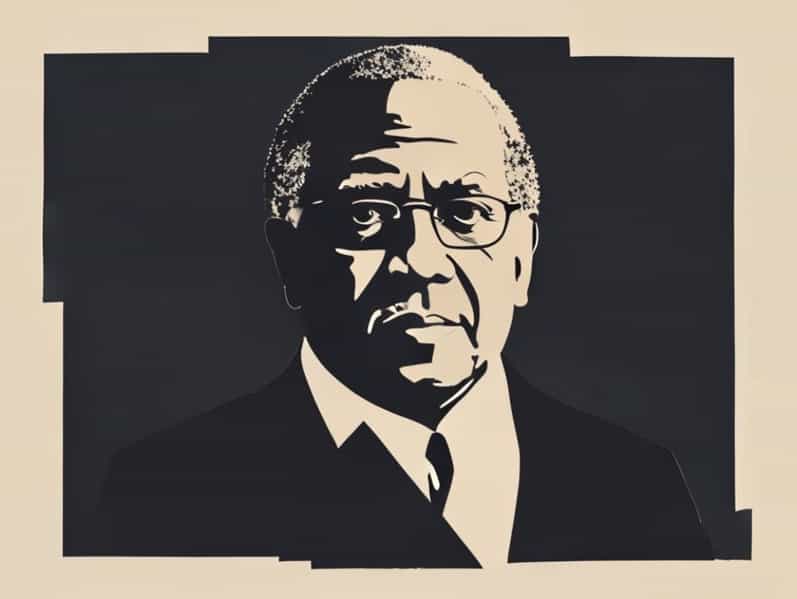
Discussions about judicial philosophy often highlight how different judges interpret the Constitution, and one name that frequently appears in these debates is Clarence Thomas. As a long-serving member of the United States Supreme Court, he has developed a reputation for adhering to a clear and consistent approach to interpreting the law. Many people wonder whether he fits the description of a strict constructionist, an originalist, or a blend of several interpretive methods. Understanding this question requires looking at how he writes opinions, how he analyzes constitutional text, and how his judicial philosophy compares to traditional definitions of strict constructionism.
Understanding What Strict Constructionism Means
The term strict constructionist refers to a judge who interprets the Constitution in a very literal and narrow way. This approach relies heavily on the plain meaning of the text, avoiding expansive interpretations or assumptions about implied powers. While the term is often used interchangeably with originalism, the two are not identical. Strict constructionism focuses on reading the text as written, while originalism focuses on the meaning the text held at the time of its adoption.
Key Characteristics of Strict Constructionism
- A narrow reading of constitutional language.
- Limited interpretation outside the explicit text.
- Preference for judicial restraint.
- Reluctance to infer rights or powers not clearly stated.
Because of these traits, strict constructionism is often associated with conservative judicial thinking. However, not all conservative judges embrace strict constructionism in the same way.
Clarence Thomas and His Judicial Philosophy
Clarence Thomas is widely known as one of the most originalist justices on the Supreme Court. His opinions frequently draw from historical sources, the intentions of the Founding Fathers, and longstanding constitutional principles. Rather than interpreting the Constitution based on modern contexts, he typically analyzes what its provisions originally meant when they were drafted and ratified.
Thomas as an Originalist
- He often cites early American history and constitutional debates.
- He focuses on how a clause was understood at the time of ratification.
- He prefers restoring constitutional meanings rather than adapting them.
Originalism has grown more prominent in legal circles during Thomas’s tenure, particularly through his influence on other conservative jurists. Many scholars argue that Thomas practices a more pure form of originalism compared to some of his colleagues.
Is Clarence Thomas a Strict Constructionist?
While Clarence Thomas is sometimes described as a strict constructionist, the label does not fully capture his approach. He is better understood as a committed originalist who occasionally embraces strict constructionist logic but does not limit himself to it. Strict constructionism, being very literal, sometimes results in interpretations that even originalists might find too narrow or inflexible.
How Thomas’s Approach Differs
- He relies more on historical context than strict literalism.
- He interprets the text based on original public meaning, not just plain wording.
- He supports outcomes that align with constitutional structure, not simply narrow readings.
For example, his opinions frequently explore eighteenth-century laws, writings, and philosophical foundations rather than relying only on the literal text. This approach goes beyond the more simplistic method associated with strict constructionism.
Examples of Thomas’s Interpretive Style
To better understand whether Clarence Thomas is a strict constructionist, it helps to examine how he writes opinions in key constitutional areas. His work often reveals an interpretive framework that blends original meaning with structural constitutional theory.
Federalism Cases
Thomas frequently supports limiting federal power when he believes the Constitution restricts certain authority to the states. Rather than relying solely on a narrow reading of the text, he looks to the Constitution’s structure, the Federalist Papers, and early American practices.
Second Amendment Cases
He often emphasizes the original purpose of the right to bear arms, drawing heavily from historical documents. This method aligns more with originalism than strict constructionism, which would simply read the amendment’s words without exploring the broader context.
Due Process and Equal Protection
Thomas is known for rejecting modern interpretations that expand rights in ways he believes the framers did not intend. He often argues that certain doctrines, such as substantive due process, lack original constitutional grounding.
These examples show that his reasoning goes deeper than a strict literal reading. Instead, he builds opinions through historical analysis, textual interpretation, and constitutional structure.
How Strict Constructionists View Thomas
Many scholars who identify as strict constructionists appreciate Thomas’s consistency and his resistance to judicial activism. However, they also note that he is not strictly bound to literal interpretations. His reliance on broader historical and philosophical frameworks means that he goes beyond the narrow approach that strict constructionists traditionally endorse.
Why He Is Sometimes Labeled a Strict Constructionist
- He resists broad judicial interpretations.
- He rejects reading new rights into the Constitution.
- He expects courts to follow the Constitution as written.
These features align with strict constructionism, which is why some people casually apply the label to him. Yet this label oversimplifies his complex judicial approach.
Comparing Thomas with Other Conservative Justices
Clarence Thomas’s philosophy is distinct even among other conservative justices. For instance, some conservative judges emphasize judicial restraint more than originalism. Others balance original meaning with practical considerations or precedent. Thomas, however, is known for being willing to overturn precedent when he believes it conflicts with the Constitution’s original meaning.
Differences in Interpretation
- He places less weight on precedent than many justices.
- He emphasizes historical meaning more strongly than strict literalism.
- He is more willing to revisit longstanding doctrines.
These differences highlight why he is often considered one of the Court’s most philosophically consistent and principled members, regardless of whether one agrees with his conclusions.
Why the Distinction Matters
Understanding whether Clarence Thomas is a strict constructionist or something else matters for several reasons. It helps clarify debates about constitutional interpretation, shapes how legal observers understand Court decisions, and influences discussions about the future of judicial philosophy in America.
Impact on Legal Debates
Classifying Thomas correctly influences how scholars and commentators frame debates about originalism, constitutional meaning, and judicial power. When people conflate strict constructionism with originalism, they sometimes misunderstand the reasoning behind important decisions.
Influence on Future Judges
Clarence Thomas has influenced a generation of lawyers and judges who see originalism as a central interpretive method. His work continues to shape how future jurists think about constitutional meaning and judicial responsibility.
So, is Clarence Thomas a strict constructionist? The most accurate answer is that he is not strictly a strict constructionist, even though people sometimes use the label. Instead, he is better described as an originalist who relies heavily on historical understanding and constitutional structure. While he occasionally uses strict constructionist reasoning, his jurisprudence is broader, deeper, and more historically grounded than a purely literal reading of the Constitution. Understanding this distinction helps make sense of his decisions and provides a clearer view of the judicial philosophy that has shaped his long and influential career.