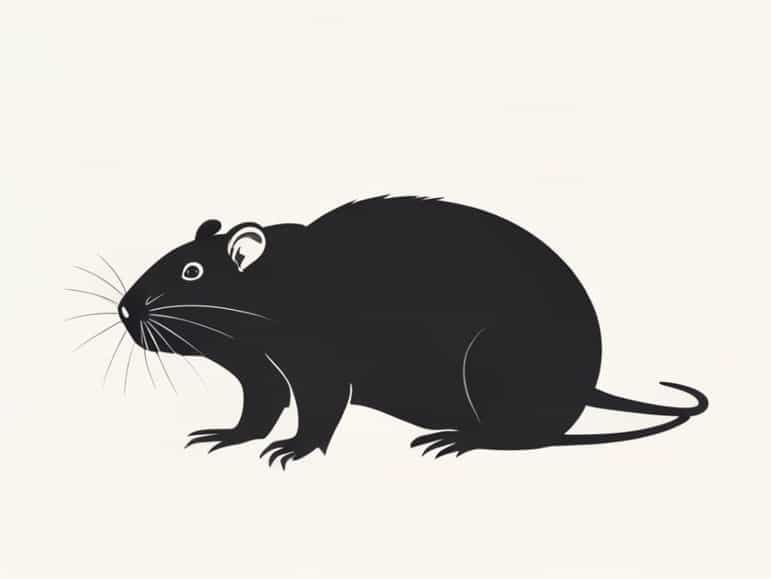
Keeping an amphibious rodent as a domestic pet can be a rewarding and unique experience, but it also comes with specific responsibilities that differ from those of traditional pets. Amphibious rodents, such as beavers, muskrats, or capybaras, have specialized needs related to their semi-aquatic lifestyles. These animals require access to both land and water, proper diet, and environmental enrichment to remain healthy and happy. Understanding their behavior, habitat requirements, and social needs is essential for anyone considering these exotic animals as companions. With proper care, these fascinating creatures can thrive in a domestic setting, offering both companionship and insight into their remarkable adaptations.
Choosing the Right Amphibious Rodent
Before bringing an amphibious rodent into your home, it is important to research the specific species and determine which one suits your lifestyle and environment. Different species vary in size, temperament, and care requirements. For example, capybaras are social and gentle but grow very large, requiring ample space and social interaction, while smaller species like muskrats or African water rats may be more manageable in size but still need access to water and mental stimulation.
Considerations for Selection
- SizeEnsure you can accommodate the adult size of the rodent, as many amphibious rodents grow significantly larger than traditional pet rodents.
- Social NeedsMany amphibious rodents are highly social and thrive in pairs or groups, so keeping a single animal may not be ideal.
- Legal RequirementsCheck local laws and regulations regarding the ownership of exotic animals, as permits may be required for certain species.
- LifespanConsider the expected lifespan of the species to ensure you are ready for long-term commitment.
Housing Requirements
Creating a suitable environment for an amphibious rodent is crucial for its well-being. These animals require habitats that combine water and land areas to mimic their natural ecosystems. A secure enclosure with a pool, shallow water zones, and dry resting areas allows them to exhibit natural behaviors such as swimming, diving, and burrowing. The water should be clean, filtered, and refreshed regularly to prevent illness and maintain hygiene.
Enclosure Design
When designing a habitat, keep in mind the following factors
- SpaceThe enclosure should be spacious enough for swimming, climbing, and exercise.
- SafetyUse secure fencing to prevent escapes and protect the rodent from predators.
- SubstrateProvide soft bedding or natural soil for burrowing and nesting behaviors.
- EnrichmentInclude logs, rocks, and water plants to stimulate natural instincts and prevent boredom.
Diet and Nutrition
Amphibious rodents have specialized diets that reflect their natural habitats. Most species require a combination of plant matter, vegetables, and occasional protein sources. Fresh vegetables, grasses, and hay are essential for digestion and dental health, as these rodents’ teeth continuously grow. Providing access to clean water for drinking and swimming is equally important for maintaining overall health.
Feeding Tips
- Offer a variety of vegetables such as leafy greens, carrots, and squash.
- Provide high-quality rodent pellets to ensure balanced nutrition.
- Include occasional treats like fruits or small insects for variety.
- Monitor portion sizes to prevent obesity, especially in larger species like capybaras.
Behavior and Socialization
Understanding the behavior of amphibious rodents is key to providing proper care. These animals are often active during dawn and dusk, enjoying swimming, foraging, and social interactions. Social species may exhibit strong bonds with other rodents, and in some cases, with human caregivers. Regular interaction, gentle handling, and environmental enrichment help foster trust and prevent stress-related behaviors.
Enrichment Activities
Providing mental and physical stimulation is essential for a healthy amphibious rodent. Consider the following activities
- Swimming sessions in a safe, supervised pool.
- Hide-and-seek games with food or treats.
- Introduction of floating or movable objects to encourage exploration.
- Interactive play with companions if the species is social.
Health and Veterinary Care
Regular veterinary care is essential to maintain the health of amphibious rodents. Finding a veterinarian experienced with exotic and semi-aquatic species is crucial for preventive care, vaccination, and treatment of common illnesses. Owners should monitor for signs of distress, infection, or dental problems, as early intervention can prevent serious health issues.
Common Health Concerns
- Skin infections due to prolonged exposure to dirty water.
- Overgrown teeth, which can cause feeding difficulties.
- Respiratory infections, especially in damp or poorly ventilated enclosures.
- Obesity from improper diet or lack of exercise.
Legal and Ethical Considerations
Keeping an amphibious rodent comes with legal and ethical responsibilities. Many regions have restrictions on owning exotic animals, and owners must ensure they comply with local regulations. Ethically, providing an environment that allows the rodent to express natural behaviors is essential. Captive care should aim to replicate natural habitats as closely as possible, offering both mental stimulation and physical activity.
Responsible Ownership
- Research species-specific needs thoroughly before acquisition.
- Ensure proper permits and licenses are obtained.
- Commit to long-term care and the animal’s well-being.
- Educate yourself on ethical practices in exotic animal husbandry.
Keeping an amphibious rodent as a domestic pet is a unique and rewarding experience that requires careful planning, dedication, and knowledge. From selecting the right species and creating an appropriate habitat to providing proper nutrition, socialization, and veterinary care, responsible ownership is key to the rodent’s well-being. With attention to their specific needs and a commitment to ethical care, amphibious rodents can thrive in a domestic setting, offering companionship and insight into their fascinating semi-aquatic lifestyles. By understanding and meeting these requirements, pet owners can ensure a harmonious and fulfilling relationship with these extraordinary animals.