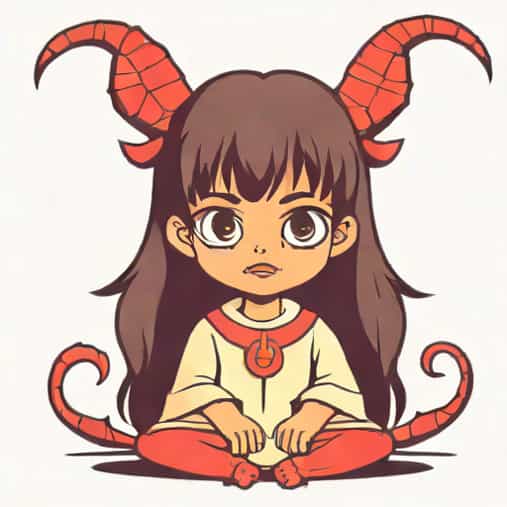
The image of a little girl possessed by a demonic force has become one of the most haunting and enduring symbols in horror cinema. When people think of the classic film The Exorcist, they often remember the unsettling presence of the young girl who becomes the central antagonist of the story. This character, innocent in appearance yet terrifying in behavior, has shaped how audiences view supernatural horror for decades. The contrast between childhood purity and demonic corruption created a powerful emotional impact that still resonates today.
The Origins of the Demonic Child Concept
The idea of a child becoming the vessel for an evil force was not entirely new when The Exorcist was released, but it was presented in a way that felt disturbingly realistic. The story draws from deep-rooted fears about the vulnerability of children and the unknown forces that might influence them. By choosing a young girl as the central figure, the narrative challenges the audience’s natural instinct to protect innocence.
This approach made the horror more personal. Instead of facing a monstrous creature, viewers were confronted with the corruption of something pure. That emotional conflict is what gave the film its lasting power.
The Character of the Possessed Girl
The young girl at the center of the story begins as a normal, kind child living a quiet life. Her gradual transformation into something frightening is what makes the character so memorable. The change does not happen instantly, but slowly, allowing tension to build as strange behaviors begin to emerge.
As the possession progresses, her personality shifts dramatically. The contrast between her innocent appearance and her disturbing actions creates a sense of unease that defines the film’s atmosphere. This transformation is key to why the character remains one of the most iconic horror antagonists of all time.
Symbolism Behind the Possession
The demonic possession in the story is not just a supernatural event; it carries symbolic meaning. Many interpretations suggest it represents a loss of control, fear of the unknown, or the struggle between faith and doubt. The child becomes a vessel for these deeper themes, making the story more than just a tale of horror.
By using a child as the focus, the story emphasizes vulnerability. It explores what happens when innocence is threatened by forces beyond understanding, creating a powerful emotional response in the audience.
Why the Antagonist Feels So Disturbing
The effectiveness of the little girl as a demon antagonist lies in the contrast between appearance and behavior. Her physical form remains that of a child, yet her words and actions suggest something ancient and malevolent. This contradiction unsettles viewers on a psychological level.
Rather than relying solely on visual shock, the character uses voice, expression, and subtle movements to create fear. This approach makes the horror feel more realistic and deeply unsettling.
Cultural Impact and Lasting Influence
The image of the possessed girl has influenced countless films, television shows, and books since the release of The Exorcist. Many later horror stories borrow elements such as distorted voices, sudden personality changes, and religious symbolism.
This influence extends beyond the horror genre. The character has become a cultural reference point, often mentioned in discussions about the most frightening characters in film history. The idea of a child demon antagonist remains powerful because it challenges expectations and emotional comfort.
Psychological Horror Versus Physical Horror
One reason the character remains effective is the emphasis on psychological horror rather than constant physical violence. Much of the fear comes from anticipation and emotional tension rather than graphic imagery.
The audience is forced to confront uncomfortable questions about innocence, control, and faith. This psychological depth gives the story lasting relevance and makes it more than just a simple horror tale.
The Role of Faith and Doubt
Faith plays a central role in the narrative surrounding the possessed child. The struggle between belief and skepticism adds another layer to the conflict. Characters must confront not only the demon but also their own doubts and fears.
This internal struggle mirrors the external battle, reinforcing the idea that the true conflict is both spiritual and psychological. The child becomes the focal point of this struggle, embodying the clash between good and evil.
Why the Character Still Fascinates Audiences
Decades after the film’s release, the image of the little girl demon continues to fascinate new generations. Part of this longevity comes from the timeless nature of the fears it represents. Fear of losing control, fear of the unknown, and fear of harm to children remain deeply rooted in human psychology.
Modern audiences may view the story through different lenses, but the emotional impact remains strong. The character’s haunting presence continues to inspire discussion, analysis, and reinterpretation.
The Legacy of the Antagonist
The little girl demon antagonist stands as one of the most influential figures in horror history. Her role helped redefine what cinematic horror could achieve, shifting focus from external monsters to internal fears.
By combining strong storytelling, emotional depth, and unsettling imagery, the character left a lasting mark on popular culture. Even decades later, references to this figure instantly evoke a sense of dread and fascination.
The little girl demon antagonist from The Exorcist remains a powerful symbol of horror because of the way it blends innocence with terror. More than just a frightening character, she represents deep psychological and emotional themes that continue to resonate with audiences.
Through careful storytelling and a focus on human vulnerability, the character transcends typical horror tropes. The result is a lasting legacy that continues to influence the genre and captivate viewers around the world.