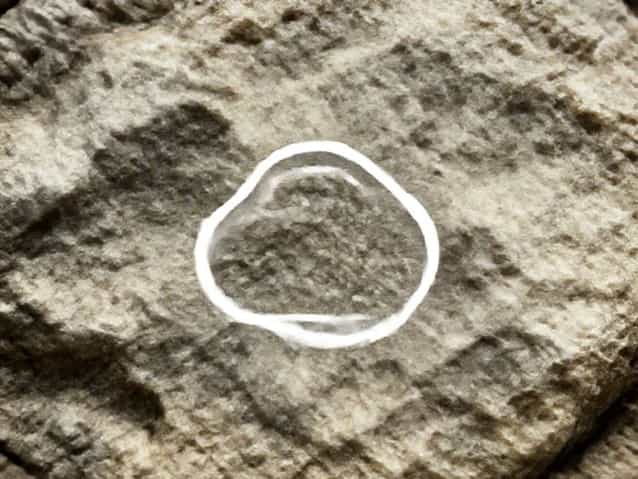
Calcareous sedimentary rocks are an important part of Earth’s geological story, forming over millions of years through natural processes involving water, organisms, and chemical reactions. When people look for one example of calcareous sedimentary rock, they are often trying to understand how these rocks form, what they are made of, and why they matter in everyday life. These rocks are commonly found across the world and play a key role in construction, agriculture, and environmental systems.
Understanding Calcareous Sedimentary Rocks
Calcareous sedimentary rocks are rocks that contain a high amount of calcium carbonate. This compound usually comes from the shells and skeletons of marine organisms or from chemical precipitation in water.
Over time, these materials accumulate, become compacted, and eventually turn into solid rock.
What Does Calcareous Mean?
The word calcareous comes from calcium, a chemical element that is a major component of limestone and related rocks.
Rocks described as calcareous typically react with weak acids, producing small bubbles due to the presence of calcium carbonate.
One Example of Calcareous Sedimentary Rock Limestone
Limestone is the most common and well-known example of calcareous sedimentary rock. It forms mainly in marine environments where shells, coral fragments, and microscopic organisms settle on the sea floor.
As layers build up, pressure and time transform these deposits into solid limestone.
How Limestone Forms
Limestone formation is closely linked to life in oceans and seas.
- Marine organisms use calcium carbonate to build shells
- When they die, shells settle on the ocean floor
- Layers accumulate over millions of years
- Compaction and cementation turn sediment into rock
Types of Limestone
Although limestone is one example of calcareous sedimentary rock, it comes in several forms depending on how it formed.
Biogenic Limestone
This type forms from the remains of living organisms. Coral limestone and fossiliferous limestone fall into this category.
Fossils are often visible, making this rock valuable for studying ancient life.
Chemical Limestone
Chemical limestone forms when calcium carbonate precipitates directly from water.
Travertine and some forms of tufa are examples of chemically formed limestone.
Physical Characteristics of Limestone
Limestone has distinctive physical features that help identify it.
It is usually light-colored, ranging from white and gray to beige and yellow.
Texture and Hardness
The texture of limestone varies based on its formation.
- Some limestone is smooth and fine-grained
- Others are coarse with visible shell fragments
- It is generally softer than igneous rocks
Where Limestone Is Found
Limestone is found all over the world, especially in regions that were once covered by shallow seas.
Large limestone deposits exist in Europe, North America, Asia, and parts of Africa.
Famous Limestone Regions
Many well-known landscapes are shaped by limestone geology.
- The White Cliffs of Dover
- The karst regions of Southeast Asia
- Parts of the Mediterranean basin
Importance of Limestone in Daily Life
Limestone is not only important in geology but also in everyday human activities.
It has been used by civilizations for thousands of years.
Construction and Architecture
Limestone is widely used as a building material.
Many historic buildings and monuments are made from limestone because it is relatively easy to cut and shape.
Industrial Uses
Limestone is a key raw material in several industries.
- Cement production
- Glass manufacturing
- Steel production
Limestone and Agriculture
In agriculture, limestone is used to improve soil quality.
Crushed limestone, known as agricultural lime, helps neutralize acidic soils.
Benefits for Soil
Applying limestone to soil can improve crop yields.
- Raises soil pH
- Improves nutrient availability
- Enhances microbial activity
Limestone and Natural Landscapes
Limestone landscapes are shaped by water erosion and chemical weathering.
This leads to unique landforms known as karst features.
Karst Features
Karst landscapes develop when limestone dissolves in slightly acidic water.
- Caves and caverns
- Sinkholes
- Underground rivers
Limestone in the Geological Cycle
Limestone plays an important role in the rock cycle.
It can transform into marble under heat and pressure, becoming a metamorphic rock.
From Sedimentary to Metamorphic
When limestone is subjected to intense heat and pressure, its structure changes.
The result is marble, a harder and more crystalline rock.
Why Limestone Is a Classic Example
When discussing one example of calcareous sedimentary rock, limestone is often the first mentioned.
This is because it clearly demonstrates how calcium carbonate sediments form and solidify.
Educational Importance
Limestone is commonly used in geology education because it is easy to identify and widely available.
Students can observe fossils, layering, and chemical reactions in limestone samples.
Environmental Considerations
Mining limestone must be managed carefully to reduce environmental impact.
Responsible quarrying practices help protect ecosystems and landscapes.
Modern Uses and Sustainability
Today, limestone continues to be essential in modern infrastructure.
At the same time, efforts are being made to balance economic benefits with environmental responsibility.
Why People Search for Examples of Calcareous Sedimentary Rock
Many people search for one example of calcareous sedimentary rock for educational purposes.
Understanding limestone helps explain broader concepts in earth science and environmental studies.
Limestone stands as a clear and practical example of a calcareous sedimentary rock. Formed from calcium carbonate deposits over millions of years, it connects marine life, geological processes, and human history. From towering cliffs and underground caves to buildings and farmlands, limestone shows how a single type of rock can influence both natural landscapes and human civilization. Its simplicity, usefulness, and widespread presence make it an ideal example for understanding calcareous sedimentary rocks.