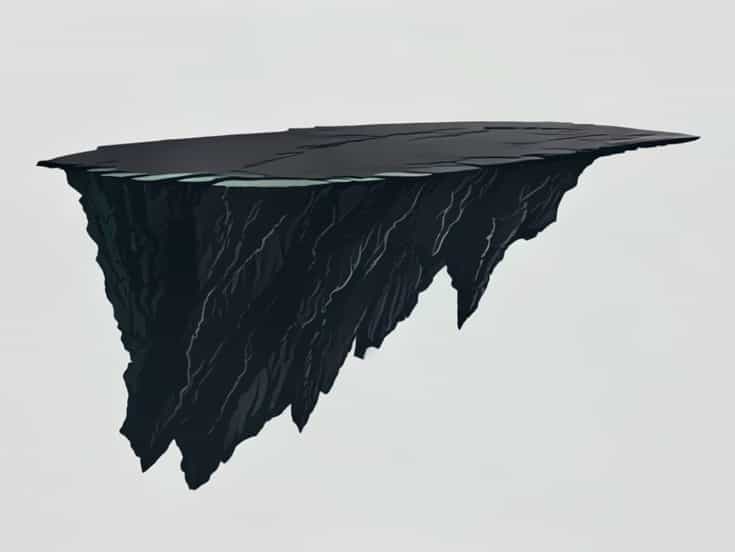
The phrase precipitous brink of a black and lurid tarn evokes a powerful image of a dangerous and foreboding landscape. It suggests the edge of a steep cliff overlooking a dark, ominous body of water, often associated with mystery, suspense, and natural beauty intertwined with danger. This type of scene is common in Gothic literature, Romantic poetry, and descriptive nature writing, where the environment reflects the mood, emotions, or impending peril. Exploring the imagery, symbolism, and literary significance of such a setting reveals how writers use language to create atmosphere, tension, and psychological depth for their audience.
Understanding the Imagery
Precipitous Brink
The word precipitous refers to something extremely steep or sheer, often dangerous and challenging to navigate. A brink is the edge or border of a precipice or high place. Together, the phrase paints a vivid picture of a cliff or ledge that is both awe-inspiring and threatening. The reader immediately senses the risk associated with standing on or near such a location. In literature, a precipitous brink often symbolizes a critical moment, decision, or transition, where characters face danger, moral choices, or the unknown.
Black and Lurid Tarn
The black and lurid tarn adds depth to the imagery. A tarn is a small mountain lake or pool, typically formed by glacial activity, and is often clear and serene in ordinary descriptions. By describing it as black and lurid, the author imbues the water with a sense of darkness, mystery, and perhaps malevolence. The adjective lurid suggests vivid, shocking, or unnatural qualities, giving the tarn an eerie, almost supernatural aura. Together, these words transform a simple natural feature into a symbol of danger, reflection, or inner turmoil.
Literary Significance
Gothic and Romantic Elements
This type of imagery is common in Gothic and Romantic literature, where landscapes mirror characters’ emotions or foreshadow events. Writers use remote, wild, and dangerous natural settings to evoke fear, suspense, or introspection. The precipitous brink represents the threshold between safety and danger, life and death, or the known and unknown. Meanwhile, the black and lurid tarn symbolizes hidden threats, secrets, or the darker aspects of human nature. Such imagery enhances the psychological intensity of the story, engaging readers through atmosphere as much as through plot.
Symbolism in Nature
The scene also reflects the symbolic use of nature to convey meaning. A cliff or steep edge often represents challenges, pivotal moments, or the potential for a fall-both literal and metaphorical. A dark tarn can symbolize mystery, subconscious thoughts, or hidden truths beneath the surface. Writers and poets use these elements to create layers of meaning, where the physical environment mirrors inner struggles, fears, or desires. This symbolic approach allows the setting to become an active participant in the narrative rather than merely a backdrop.
Psychological Impact on Characters
Fear and Anxiety
Characters encountering a precipitous brink of a black and lurid tarn often experience heightened fear and anxiety. The steep edge triggers a natural fear of falling, while the dark water below evokes uncertainty and apprehension. This combination can be used to explore human psychology, highlighting vulnerability, hesitation, and decision-making under pressure. In storytelling, such settings amplify tension, making characters’ actions and choices more compelling for readers.
Reflection and Introspection
Beyond fear, these landscapes also encourage reflection and introspection. Standing at the edge of a cliff above a dark tarn can symbolize contemplation of life, mortality, or moral choices. Characters may confront personal dilemmas, past mistakes, or hidden desires, with the environment serving as a mirror for their internal state. Writers often use this setting to facilitate character development, showing how individuals respond to isolation, danger, or the sublime power of nature.
Examples in Literature
Gothic Novels
Many Gothic novels feature dangerous cliffs and dark, ominous waters to create suspense and horror. These settings enhance the narrative by creating an atmosphere of dread and anticipation. Characters often find themselves on the edge of literal or figurative precipices, facing life-changing events, supernatural threats, or moral crises. The use of such imagery is a hallmark of the Gothic tradition, emphasizing emotion, danger, and the unknown.
Romantic Poetry
Romantic poets frequently describe dramatic landscapes to reflect intense emotions and the awe-inspiring power of nature. The precipitous brink of a black and lurid tarn might be used to symbolize the sublime-beauty mixed with terror. Poets like Wordsworth or Coleridge used wild, mountainous terrains and dark waters to explore human emotion, imagination, and the tension between serenity and chaos in the natural world. These descriptions invite readers to experience the emotional impact of the landscape alongside the poet or character.
Scientific and Geographical Context
Formation of Tarns
From a geological perspective, a tarn is a small mountain lake formed by glacial activity, typically nestled in a cirque or depression created by erosion. The precipitous brink surrounding a tarn is often the result of glacial scouring, rockfalls, and natural erosion processes. Understanding this context helps readers appreciate the natural forces that create such dramatic landscapes, adding realism to literary descriptions while deepening the connection between fiction and the real world.
Environmental and Ecological Significance
Tarns and their surrounding cliffs serve as unique ecological habitats. The steep slopes provide shelter for mountain flora and fauna, while the tarn itself can host specialized aquatic species. In literature, awareness of the ecological significance can add authenticity to descriptions, showing that such locations are not just dramatic but also biologically and environmentally rich. Writers often combine this realism with imaginative elements to heighten the atmosphere.
Metaphorical Interpretations
Thresholds and Decisions
The precipitous brink often symbolizes a threshold or turning point, representing choices, risks, or transitions. Characters standing on the edge of a black and lurid tarn may face literal danger or moral dilemmas, with the setting reflecting the tension of potential consequences. Metaphorically, the cliff and dark water illustrate the precarious balance between security and uncertainty, life and death, or action and inaction.
Darkness and the Unknown
The black and lurid tarn embodies the unknown, hidden depths, and potential peril. It can represent subconscious fears, secrets, or unresolved conflicts. By using this imagery, authors communicate the idea that beneath the surface of life or consciousness lie mysteries and dangers that must be confronted. This metaphor enhances the psychological depth of a story, allowing readers to interpret the setting on multiple levels.
The phrase precipitous brink of a black and lurid tarn is a rich, evocative description that combines natural beauty, danger, and symbolic meaning. It serves as a powerful literary device, creating suspense, reflecting characters’ emotions, and exploring themes of fear, introspection, and the sublime. From Gothic novels to Romantic poetry, this type of imagery immerses readers in dramatic landscapes that mirror internal and external conflicts. Understanding the geological, ecological, and metaphorical aspects of such a setting enhances appreciation for both literature and the natural world. Writers use the precipitous brink and dark tarn not only to thrill and terrify but also to provoke thought, reflection, and emotional engagement, making it a timeless and versatile element in storytelling.