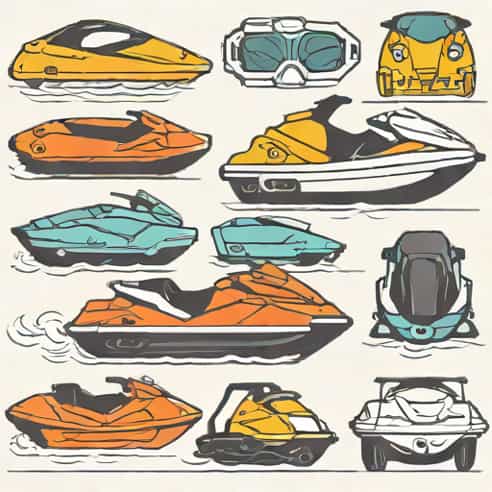
Personal watercraft (PWC) provide an exciting way to enjoy lakes, rivers, and coastal waters, but safe operation requires proper preparation and equipment. Understanding the required equipment for personal watercraft is essential for both beginners and experienced riders to ensure safety, legal compliance, and an enjoyable experience on the water. While PWCs are compact and maneuverable, they can be powerful and potentially dangerous if safety protocols are ignored. Preparing with the correct equipment not only protects the rider but also enhances performance and minimizes environmental impact. Knowing what to bring and how to use it is a key aspect of responsible PWC ownership and operation.
Personal Flotation Devices (PFDs)
One of the most critical pieces of equipment for operating a personal watercraft is a personal flotation device, or life jacket. In most regions, laws require that each rider wears a properly fitted PFD at all times. These devices are designed to keep the rider afloat if they fall into the water and provide extra visibility in case of emergencies. When choosing a PFD, consider factors such as comfort, mobility, and buoyancy rating. For PWCs, a Type III or Type V PFD is often recommended because they allow freedom of movement while still offering adequate safety.
Importance of Proper Fit
A PFD must fit snugly without being restrictive. An improperly sized PFD can slip off or fail to provide sufficient buoyancy. Many modern PFDs are adjustable and designed specifically for high-intensity water sports like PWC riding. Riders should check straps, buckles, and overall fit before each outing, ensuring that the device will perform as intended in case of an accident.
Safety Lanyard or Engine Cut-Off Switch
The safety lanyard, sometimes called a kill switch, is another essential piece of equipment for personal watercraft. This device attaches to the rider and the PWC, automatically shutting off the engine if the rider falls overboard. This prevents the watercraft from continuing to move uncontrolled, which could cause collisions, injuries, or environmental damage. Using the safety lanyard is a simple but vital precaution that significantly reduces the risk of accidents.
Proper Use of Safety Lanyards
Before operating the PWC, attach the lanyard securely to your wrist or PFD. Test the cut-off mechanism periodically to ensure it works correctly. Some PWCs come with advanced lanyard systems that incorporate electronic immobilizers, offering additional protection against unauthorized use or theft.
Navigation and Signaling Equipment
Even for recreational use, navigation and signaling equipment are important for personal watercraft safety. PWCs are fast and agile, but they are still subject to the same navigational hazards as other vessels. Essential equipment includes
- Whistle or HornTo signal your presence to other boaters, especially in low-visibility conditions.
- Navigation LightsRequired if operating at night or in low-light conditions, helping other vessels see you.
- Flags or MarkersFor indicating your location or the presence of divers if applicable.
Carrying these items and knowing how to use them properly can prevent collisions and improve communication on the water.
Protective Gear
While a PFD provides buoyancy, additional protective gear enhances safety and comfort. Wetsuits, gloves, and water shoes help protect against cold water, abrasions, and injuries from falls. Eye protection such as sunglasses or goggles shields the eyes from sun glare, spray, and wind. Helmets are recommended, especially in high-speed or competitive PWC environments, to protect against head injuries.
Weather-Appropriate Clothing
Watercraft conditions can change rapidly. Wearing appropriate clothing for temperature, sun exposure, and water conditions is important. UV-protective clothing and waterproof layers help reduce the risk of sunburn, hypothermia, and other environmental hazards.
Emergency and Repair Equipment
Accidents and mechanical failures can happen, so carrying basic emergency and repair equipment is wise. Essential items may include
- Waterproof first aid kit for minor injuries.
- Spare fuel or fuel container for extended trips.
- Basic tools for minor repairs or adjustments.
- Emergency signaling devices, such as flares or a waterproof flashlight.
Preparing for emergencies ensures that a PWC ride does not turn into a dangerous situation if something unexpected occurs on the water.
Communication Devices
Effective communication is vital, especially when operating in open water or remote locations. Carrying a waterproof mobile phone, VHF radio, or personal locator beacon allows you to call for help in case of an accident or mechanical failure. Some PWCs come equipped with compartments designed to store these devices securely while still keeping them accessible in emergencies.
Importance of Pre-Ride Checks
Before heading out, perform a thorough pre-ride check to ensure all equipment is functional. Verify that the PFD fits correctly, the safety lanyard works, signaling devices are accessible, and communication devices are charged. Conducting these checks prevents preventable accidents and ensures a safer riding experience.
Optional Comfort and Convenience Equipment
While not legally required, certain items can enhance the PWC experience. These include
- Waterproof storage bags for personal items.
- Hydration packs to prevent dehydration during long rides.
- Sunblock and protective eyewear for sun safety.
Incorporating these items into your equipment checklist improves overall comfort and allows longer, safer excursions on the water.
Legal Requirements and Regulations
Different regions may have specific laws regarding required equipment for personal watercraft. Common requirements include mandatory PFDs for all riders, engine cut-off lanyards, and lights for nighttime operation. Familiarizing yourself with local regulations ensures compliance, avoids fines, and promotes responsible watercraft use. Many regulatory agencies also provide detailed lists of recommended equipment to encourage safe operation.
Operating a personal watercraft safely requires more than just riding skills; it demands proper preparation and equipment. Essential items include a properly fitted PFD, safety lanyard, navigation and signaling devices, protective gear, emergency equipment, and communication tools. Pre-ride checks, weather-appropriate clothing, and optional comfort items further enhance safety and enjoyment. By understanding and equipping oneself with the required items, PWC operators can reduce risks, comply with legal regulations, and fully enjoy the thrilling experience of personal watercraft on lakes, rivers, and coastal waters. Responsible preparation ensures that each trip is not only fun but also safe for everyone on and around the water.