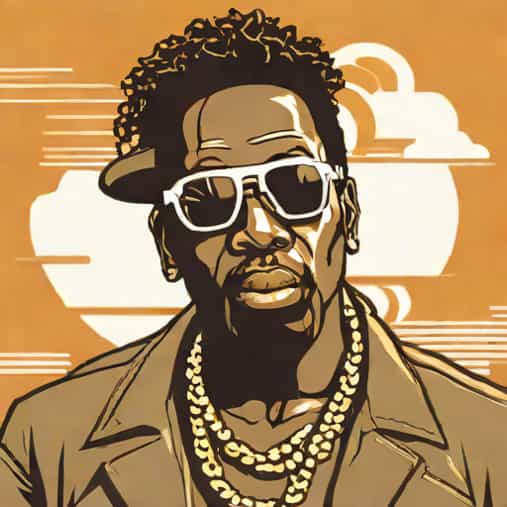
Shabba Ranks is one of the most influential figures in the history of dancehall music, and his name is often closely associated with the rise of what is known as slackness in Jamaican musical culture. To understand where slackness comes from, it is important to explore the social environment that shaped Shabba Ranks, the evolution of dancehall music, and the cultural conditions that allowed this expressive style to emerge. Slackness did not appear suddenly; it developed over time as a response to social realities, musical innovation, and cultural identity.
The Roots of Dancehall Culture
Dancehall music emerged in Jamaica during the late 1970s and early 1980s as a natural evolution of reggae. While reggae focused heavily on spirituality, political consciousness, and Rastafarian ideology, dancehall shifted attention toward everyday experiences, street life, and entertainment. This change reflected the realities of urban Jamaica, where young people sought music that spoke directly to their struggles, desires, and social environments.
Sound system culture played a major role in shaping dancehall. DJs performed live at street dances, competing to attract crowds with rhythm, personality, and lyrical creativity. This competitive atmosphere encouraged bold expression, humor, and sometimes provocative content. It was within this environment that the concept of slackness began to take form.
Understanding Slackness in Dancehall
Slackness in dancehall refers to lyrics that are sexually explicit, humorous, or provocative. While the term may carry a negative connotation, within Jamaican culture it represents a form of freedom of expression and social commentary. Slackness challenged traditional norms and pushed boundaries, often using humor and exaggeration to address topics that were otherwise considered taboo.
This lyrical style was not simply about shock value. It was also a way for artists to assert identity, resist social constraints, and connect with audiences on a raw and emotional level. Slackness became a tool for storytelling, satire, and self-expression within the dancehall movement.
Shabba Ranks and His Rise to Fame
Shabba Ranks emerged in the late 1980s as one of the most powerful voices in dancehall. Known for his deep, commanding voice and confident delivery, he quickly gained recognition both in Jamaica and internationally. His style blended bravado, rhythmic innovation, and lyrical boldness.
Shabba Ranks did not invent slackness, but he became one of its most prominent ambassadors. His music often contained sexually suggestive lyrics, playful metaphors, and assertive themes that resonated strongly with dancehall audiences. At the same time, he also recorded songs with conscious and cultural messages, showing his versatility as an artist.
The Cultural Roots of Slackness
To understand where slackness comes from, it is essential to look beyond individual artists and examine Jamaican oral traditions. Long before recorded music, Jamaican culture included storytelling, satire, and expressive language as tools for entertainment and social commentary.
Slackness can be seen as an extension of this tradition, modernized through sound system culture. It allowed performers to speak openly about sexuality, relationships, and social issues in ways that resonated with everyday experiences. In many cases, it also served as a form of resistance against colonial moral standards imposed on Caribbean society.
Social Conditions and Expression
Economic hardship, limited opportunities, and social inequality played significant roles in shaping dancehall culture. For many young people in inner-city communities, music became an outlet for frustration, creativity, and ambition. Slackness provided a way to reclaim power through language and performance.
Rather than viewing slackness purely as vulgarity, many scholars see it as a reflection of lived realities. It gave voice to perspectives often ignored or marginalized, allowing artists to express identity on their own terms.
Controversy and Criticism
Despite its popularity, slackness has faced strong criticism from religious groups, cultural leaders, and social commentators. Critics argue that explicit lyrics promote moral decline and disrespect toward women. These concerns sparked debates within Jamaican society about artistic freedom versus social responsibility.
Shabba Ranks himself became a controversial figure, particularly as his international fame brought increased scrutiny. While some praised his authenticity and influence, others criticized the content of his music. This tension reflects broader cultural debates about freedom of expression and cultural values.
Global Influence of Shabba Ranks and Slackness
As dancehall spread beyond Jamaica, the influence of slackness extended to global music scenes. Shabba Ranks played a key role in introducing dancehall to international audiences, collaborating with artists across genres and gaining mainstream recognition.
His success helped open doors for future generations of dancehall and reggae artists. Even artists who chose different lyrical paths were influenced by the confidence, performance style, and global reach that Shabba helped establish.
Evolution and Transformation
Over time, dancehall has continued to evolve. While slackness remains part of the genre, newer artists often blend it with social commentary, romance, and digital experimentation. The genre’s flexibility allows it to adapt to changing cultural landscapes while retaining its core identity.
Shabba Ranks’ role in this evolution remains significant, as he helped define an era and set the stage for ongoing innovation within Jamaican music.
The question of where slackness comes from cannot be answered with a single explanation. It emerges from a mix of cultural tradition, social reality, musical evolution, and individual expression. Shabba Ranks stands as a central figure in this history, representing both the power and controversy of slackness in dancehall. Through his music, slackness became not just a style, but a cultural statement that continues to influence global music and conversations about expression, identity, and freedom.