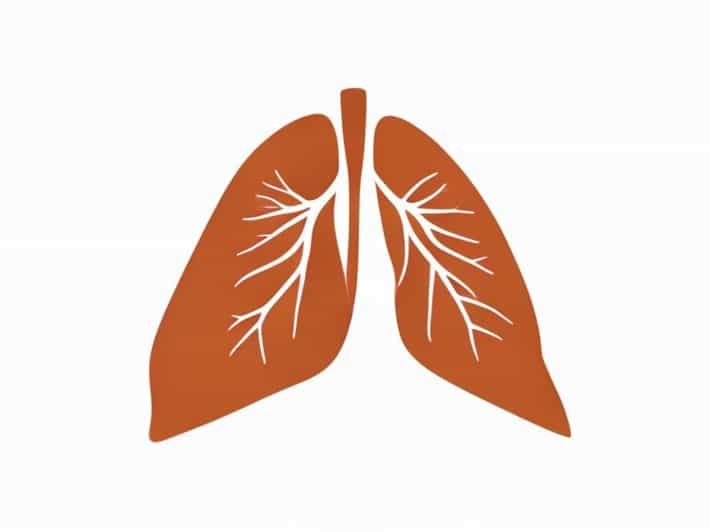
The pleurae are serous membranes lining the thoracic cavity and covering the lungs, playing a vital role in respiratory function. These thin, delicate membranes consist of two layers the visceral pleura, which adheres directly to the surface of the lungs, and the parietal pleura, which lines the inner wall of the thoracic cavity. Between these layers lies the pleural cavity, filled with a small amount of lubricating pleural fluid that facilitates smooth movement during breathing. Understanding the structure, function, and clinical significance of the pleurae is essential for appreciating the complexities of the respiratory system and the mechanisms that allow for efficient lung expansion and contraction.
Structure of the Pleurae
The pleurae are composed of a thin layer of mesothelial cells supported by connective tissue. The visceral pleura covers the external surfaces of the lungs, extending into the fissures that separate the lobes. In contrast, the parietal pleura lines the chest wall, diaphragm, and mediastinum, creating a protective and supportive layer. The space between these two layers, known as the pleural cavity, contains a small volume of pleural fluid, which is crucial for reducing friction during respiratory movements.
Layers and Their Functions
- Visceral PleuraClosely adheres to the lungs, providing a smooth surface and contributing to lung protection.
- Parietal PleuraLines the thoracic wall, diaphragm, and mediastinum, helping maintain lung position and structural support.
- Pleural CavityContains lubricating fluid that allows the lungs to glide effortlessly within the thoracic cavity during inhalation and exhalation.
Functions of the Pleurae
The pleurae serve multiple essential functions that are critical for efficient respiratory mechanics. The most important role is reducing friction between the lungs and the thoracic wall, allowing smooth and pain-free breathing. Additionally, the pleurae help maintain negative pressure within the thoracic cavity, which is essential for lung expansion. The membranes also act as a protective barrier, preventing infection and trauma from directly affecting the lung tissue.
Key Functional Roles
- Facilitating Smooth MovementPleural fluid prevents friction, allowing lungs to expand and contract without irritation.
- Maintaining Negative PressureThe pleural cavity contributes to the negative pressure necessary for drawing air into the lungs.
- Protecting Lung TissueServes as a barrier against infections and physical damage.
- Assisting in Lung ExpansionThe pleurae help maintain lung shape and elasticity during respiratory cycles.
Pleural Fluid and Its Importance
Pleural fluid is a thin, watery secretion within the pleural cavity that plays a pivotal role in respiratory function. It acts as a lubricant, minimizing friction as the lungs move against the thoracic wall during breathing. The fluid also helps create surface tension, which aids in keeping the lungs expanded and in close contact with the chest wall. Normally, the volume of pleural fluid is small, but changes in its quantity or composition can indicate pathological conditions.
Functions of Pleural Fluid
- Reduces friction between the visceral and parietal pleura.
- Helps maintain lung expansion through surface tension.
- Acts as a medium for the diffusion of certain substances between layers.
Clinical Significance of the Pleurae
Disorders affecting the pleurae can have significant consequences for respiratory health. Conditions such as pleuritis, pleural effusion, pneumothorax, and hemothorax directly impact pleural function and can compromise breathing. Understanding these conditions is crucial for diagnosis and treatment. For instance, pleuritis involves inflammation of the pleurae, often causing sharp chest pain, while pleural effusion is the accumulation of excess fluid within the pleural cavity, which can compress the lungs and hinder airflow. Pneumothorax occurs when air enters the pleural space, leading to lung collapse, and hemothorax involves the accumulation of blood within the pleural cavity.
Common Pleural Disorders
- PleuritisInflammation causing pain and difficulty in breathing.
- Pleural EffusionExcess fluid accumulation, which may require drainage.
- PneumothoraxAir in the pleural cavity causing partial or complete lung collapse.
- HemothoraxBlood in the pleural space, often due to trauma or injury.
Diagnostic and Treatment Approaches
Medical evaluation of pleural conditions often involves imaging studies such as chest X-rays, CT scans, and ultrasound to assess fluid accumulation, lung expansion, and structural abnormalities. Thoracentesis, the process of removing pleural fluid with a needle, can both relieve symptoms and provide diagnostic information. Treatments depend on the underlying cause, ranging from anti-inflammatory medications for pleuritis to surgical interventions for severe pneumothorax or hemothorax. Prompt recognition and treatment are critical to prevent complications and ensure effective respiratory function.
Management Strategies
- Imaging techniques for accurate diagnosis and monitoring.
- Medication to reduce inflammation or treat infection.
- Thoracentesis or chest tube insertion for fluid or air removal.
- Surgical interventions in severe or recurrent cases.
The pleurae are serous membranes lining the thoracic cavity and enveloping the lungs, performing essential roles in respiration. Their structure, consisting of visceral and parietal layers separated by a pleural cavity, allows for frictionless lung movement, maintenance of negative pressure, and protection of lung tissue. The pleural fluid within this cavity is a key element in ensuring smooth respiratory mechanics and lung expansion. Clinically, pleural disorders such as pleuritis, pleural effusion, pneumothorax, and hemothorax highlight the importance of these membranes in overall respiratory health. Understanding the pleurae’s anatomy, function, and clinical significance provides critical insight into the intricate processes that sustain effective breathing and highlights their role in medical diagnosis and treatment of respiratory conditions.