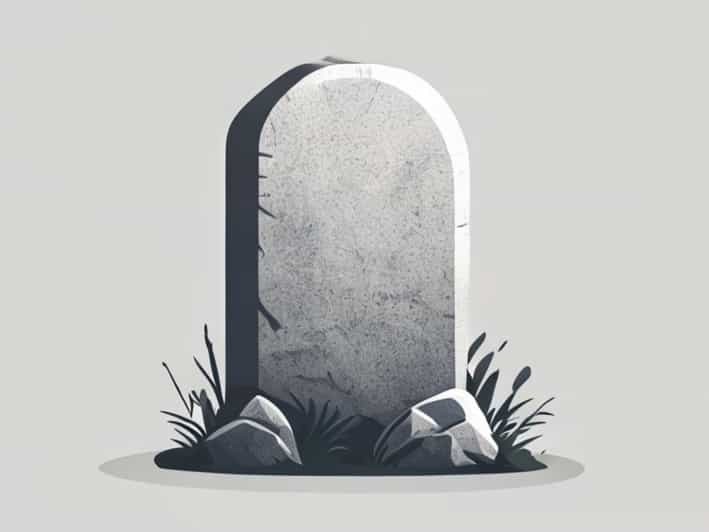
An upright stone slab serving as a gravestone is one of the most recognizable forms of memorial in cemeteries and burial grounds around the world. These gravestones, often made of durable materials such as granite, marble, or limestone, serve as a permanent marker to honor and remember those who have passed away. Beyond their practical function of marking a burial site, upright gravestones carry cultural, historical, and artistic significance, reflecting the values, beliefs, and artistic trends of the society that created them. They can be simple and unadorned, or elaborate with inscriptions, carvings, and symbols that convey a story about the deceased’s life and legacy.
Historical Origins of Upright Stone Slabs
The tradition of erecting upright stone slabs as gravestones dates back thousands of years. Ancient civilizations used stone markers to designate burial sites and commemorate the deceased. In early cultures, upright stones were often plain and uncarved, serving primarily as territorial markers or symbols of reverence for the dead. Over time, as societies developed writing systems and artistic techniques, these stones evolved to include inscriptions, names, dates, and religious or cultural symbols, transforming them into personalized memorials that continue to resonate today.
Development Through Different Cultures
- In ancient Egypt, upright stelae were used to mark tombs and often featured hieroglyphics describing the life and achievements of the deceased.
- In medieval Europe, upright stones became more widespread with engraved inscriptions in Latin, commemorating individuals and their social status.
- In East Asia, gravestones often incorporate calligraphy and symbolic motifs, reflecting cultural values and spiritual beliefs.
Materials and Construction
The choice of material for an upright stone slab gravestone is important for both durability and aesthetics. Granite is widely used due to its strength and resistance to weathering, while marble offers elegance but may wear over time. Limestone and sandstone are also popular, particularly in older cemeteries, though they are more susceptible to erosion. The construction process involves cutting and shaping the stone, engraving inscriptions, and sometimes adding decorative elements such as carved motifs, reliefs, or epitaphs.
Engraving and Decoration
Inscriptions and decorative elements on upright stone slabs serve multiple purposes. They communicate essential information such as the name, birth and death dates of the deceased, as well as personal messages or quotes. Artistic elements, including religious symbols, floral motifs, and intricate patterns, enhance the gravestone’s visual appeal and convey symbolic meanings. For example, a carved cross may indicate Christian faith, while a dove can symbolize peace or eternal rest. Skilled craftsmanship ensures that these engravings are legible and enduring, maintaining the gravestone’s significance for generations.
Cultural and Symbolic Significance
Upright stone slab gravestones carry deep cultural and symbolic meanings that vary depending on historical context, religion, and local traditions. In many societies, gravestones are considered a way to honor the deceased and preserve their memory within the community. The upright position itself symbolizes permanence, stability, and the enduring nature of remembrance. In some cultures, gravestones are aligned or positioned according to religious or astrological beliefs, further reflecting the cultural importance of these markers.
Common Symbols and Meanings
- Crosses – represent faith, resurrection, and eternal life in Christian traditions.
- Angels – symbolize protection, guidance, and spiritual guardianship.
- Flowers – represent beauty, life, and sometimes the fleeting nature of existence.
- Books or scrolls – indicate knowledge, wisdom, or a record of life achievements.
Modern Variations and Trends
While traditional upright stone slabs remain common, modern gravestones have evolved to reflect contemporary design preferences and personal expression. Some gravestones now feature unique shapes, materials like bronze or glass, or digital elements such as QR codes linking to online memorials. Despite these innovations, the upright stone slab remains a timeless choice due to its symbolic significance and durability. Families often choose gravestones that balance traditional reverence with personalized expression, creating a lasting tribute to their loved ones.
Personalization Options
- Custom inscriptions, including poems, quotes, or personal messages.
- Engraved portraits or photographs of the deceased.
- Carved motifs reflecting hobbies, professions, or achievements.
- Incorporation of colors, textures, or mixed materials for aesthetic uniqueness.
Maintenance and Preservation
Upright stone slab gravestones require periodic maintenance to ensure they remain legible and structurally sound. Weathering, moss, and lichen growth can obscure inscriptions over time, especially on softer stones like limestone. Cleaning with gentle, non-abrasive methods and repairing minor damage promptly helps preserve the gravestone’s appearance and historical value. Cemeteries often provide guidelines for maintenance, and families may take additional steps to protect the gravestone as part of honoring their loved one.
Preserving Historical Gravestones
Older gravestones hold historical and genealogical significance, making their preservation important not only for families but also for researchers and communities. Conservation techniques include careful cleaning, stabilization of leaning or cracked stones, and documentation of inscriptions. Historical societies and cemetery organizations often provide resources to help maintain upright stone slabs, ensuring they continue to tell the stories of past generations.
An upright stone slab serving as a gravestone is more than just a marker for a burial site. It is a symbol of remembrance, a work of art, and a reflection of cultural values. From ancient stelae to modern personalized designs, these gravestones preserve the memory of the deceased and offer comfort to the living. Their materials, inscriptions, and decorative elements convey stories, beliefs, and emotions that endure for generations. Understanding the history, symbolism, and maintenance of upright stone slab gravestones allows us to appreciate their significance in human culture and the ways in which they honor the lives of those who have passed.
Whether simple and understated or elaborately carved, upright stone slabs remain a timeless and meaningful way to commemorate life and legacy. They stand as enduring monuments that connect past, present, and future, reminding us of the importance of memory, respect, and cultural heritage. Each gravestone tells a story, preserving personal histories and shared traditions that resonate long after the individual has passed, making the upright stone slab a central element in the landscape of remembrance.