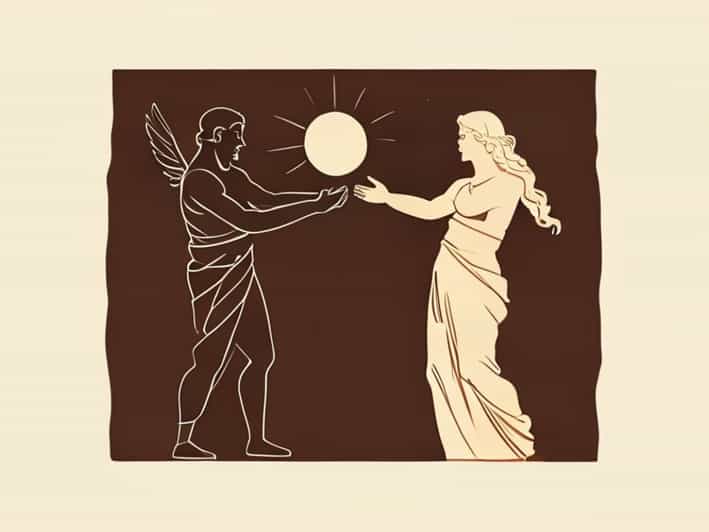
The mythological scene of Vulcan presenting arms to Venus for Aeneas is one of the most captivating moments in classical literature and art. This story, originating from Virgil’s epic poem, the Aeneid, depicts the intervention of gods in the mortal world, highlighting themes of destiny, heroism, and divine influence. Venus, the goddess of love and mother of Aeneas, requests that Vulcan, the god of fire and craftsmanship, forge special weapons for her son to aid him in the Trojan war. This episode combines rich symbolism, dramatic storytelling, and cultural values of ancient Rome, making it a subject of fascination for writers, artists, and historians alike.
Context in the Aeneid
The Aeneid, written by the Roman poet Virgil, tells the story of Aeneas, a Trojan hero destined to found Rome after the fall of Troy. In Book VIII, Aeneas finds himself in need of powerful weapons to face his enemies, particularly Turnus, the leader of the Rutulians. Venus, aware of her son’s peril and his divine destiny, decides to approach Vulcan to craft arms imbued with extraordinary power. This moment reflects the Roman belief in divine intervention and the close relationship between gods and mortals, which is a recurring theme in the epic.
Vulcan God of Fire and Craftsmanship
Vulcan, known in Greek mythology as Hephaestus, is the god of fire, metalworking, and craftsmanship. Renowned for his skill in creating divine weapons and armor, Vulcan embodies both artistic mastery and practical ingenuity. In this episode, Vulcan’s craftsmanship symbolizes the fusion of divine power and human heroism. The arms he creates for Aeneas are not ordinary weapons-they carry symbolic and practical significance, representing protection, destiny, and the favor of the gods.
Venus’ Role
Venus, the goddess of love and mother of Aeneas, plays a crucial role in guiding her son toward his destiny. By appealing to Vulcan, she ensures that Aeneas is equipped with the means to fulfill his fate. Venus’ intervention highlights the theme of maternal care combined with divine strategy. Her actions demonstrate how love, foresight, and divine influence work together to shape history and protect the chosen hero.
The Symbolism of the Arms
The arms created by Vulcan are highly symbolic, reflecting both Aeneas’ role as a hero and the divine mandate he carries. Each piece of armor, including the shield, helmet, and sword, is crafted with exceptional detail and imbued with meaning. The shield, for example, famously depicts future Roman victories and key moments in Roman history, linking Aeneas’ personal struggle to the larger destiny of Rome. This connection reinforces the epic’s theme of divine destiny and the hero’s central role in shaping history.
The Shield of Aeneas
The shield is perhaps the most iconic element of Vulcan’s craftsmanship. Virgil describes it in great detail, emphasizing the intricate scenes engraved on its surface. The images include significant events such as the founding of Rome and the accomplishments of Roman leaders, illustrating the link between the hero’s personal journey and the broader narrative of Rome’s future. This artistic representation on the shield symbolizes protection, divine guidance, and the unification of mortal courage with divine foresight.
Artistic Representations
The scene of Vulcan presenting arms to Venus has inspired countless artists across centuries. From Renaissance paintings to Baroque sculptures, this mythological episode has been depicted as a dramatic and emotionally charged moment. Artists often focus on the interaction between the gods, the divine craftsmanship, and the heroic destiny of Aeneas. The visual representations emphasize themes of divine intervention, heroism, and the importance of destiny, capturing both the beauty of myth and the intensity of epic storytelling.
Renaissance Art
During the Renaissance, artists sought to combine classical mythology with contemporary artistic techniques. Painters such as Federico Barocci and Jean-Auguste-Dominique Ingres portrayed Venus and Vulcan with careful attention to anatomy, expression, and symbolism. The arms, often depicted glowing or radiating divine power, highlight the importance of the weapons as both tools of war and symbols of destiny.
Baroque Interpretations
In the Baroque period, artists emphasized drama, movement, and emotion. Vulcan’s forge, the fiery background, and the divine radiance of Venus were depicted with theatrical intensity. These works capture the tension, anticipation, and significance of the moment, making viewers feel the weight of destiny resting upon Aeneas’ shoulders. The Baroque style amplifies the epic nature of the myth, reinforcing the hero’s journey and divine involvement.
Thematic Significance
The myth of Vulcan presenting arms to Venus for Aeneas carries several thematic layers that resonate with both ancient and modern audiences. It illustrates the interaction between human courage and divine influence, the role of destiny in shaping historical events, and the moral and ethical responsibilities of heroes. By equipping Aeneas with these arms, the gods not only prepare him for battle but also affirm his role as a founder of a great civilization, linking personal bravery to collective destiny.
Divine Intervention
Divine intervention is a central theme in this episode. The gods actively participate in mortal affairs, guiding events toward predetermined outcomes. Venus’ request to Vulcan exemplifies how divine favor can alter the course of events, reinforcing the notion that destiny is supported and protected by higher powers. This concept was particularly important in Roman culture, where the favor of the gods was believed to ensure victory, prosperity, and societal stability.
Heroism and Responsibility
Aeneas’ heroism is amplified by the arms provided by Vulcan. While the weapons give him strength, his courage, leadership, and moral integrity determine their ultimate effectiveness. This dual focus on divine assistance and personal responsibility underscores a key moral lesson heroes must combine external support with internal virtues to achieve greatness. The scene also emphasizes the weight of responsibility that accompanies heroic destiny.
Legacy of the Myth
The episode of Vulcan presenting arms to Venus has left a lasting legacy in literature, art, and cultural imagination. It continues to inspire creative interpretations and serves as a reference for discussions about mythology, epic storytelling, and the interplay between fate and free will. Writers, poets, and artists draw on this moment to explore themes of protection, divine guidance, and the heroic journey, demonstrating the enduring power of classical myths.
Influence on Modern Culture
Modern adaptations of this myth appear in literature, film, and visual arts. The dramatic presentation of divine craftsmanship, maternal care, and heroic destiny resonates with contemporary audiences, reflecting universal themes of protection, courage, and the struggle between destiny and human action. By revisiting these classical stories, modern culture continues to find meaning and inspiration in ancient myths.
The story of Vulcan presenting arms to Venus for Aeneas is a rich narrative that combines mythology, heroism, and divine influence. From Virgil’s Aeneid to Renaissance and Baroque art, this episode highlights the importance of destiny, courage, and the interplay between mortal and divine forces. The arms themselves symbolize protection, power, and the fulfillment of a greater purpose, linking Aeneas’ personal struggle to the founding of Rome. By exploring this story, readers and viewers gain insight into the timeless themes of heroism, divine guidance, and the profound impact of myth on literature and art throughout history.