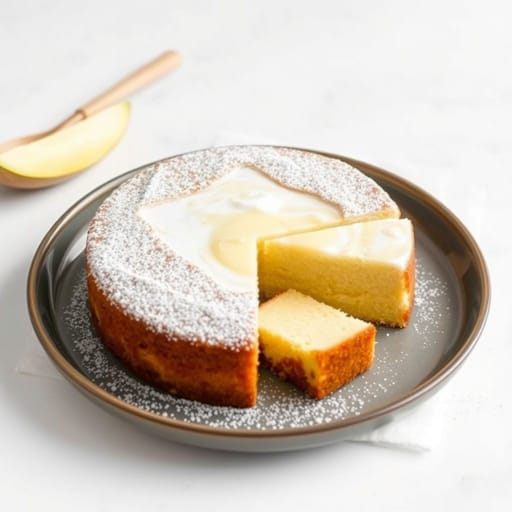
Rich in flavor, texture, and cultural history, Guyanese Cassava Pone is a beloved dessert in the Caribbean, especially in Guyana where it’s often served during family gatherings, religious holidays, or simply enjoyed with a hot cup of tea. Made primarily from grated cassava, coconut, and warming spices, this traditional bake has a chewy interior with a slightly crispy top, making it both comforting and satisfying. It’s one of those desserts that generations of families have passed down, with each household adding its own subtle twist while preserving its deep-rooted identity.
What Is Guyanese Cassava Pone?
Cassava pone is a traditional Caribbean baked dessert made using grated cassava, a starchy root vegetable commonly used in tropical regions. In Guyana, cassava pone stands out for its rich use of coconut milk, spices like cinnamon and nutmeg, and its naturally gluten-free composition. Unlike cakes that rely on flour and baking powder, cassava pone depends on the texture of the root vegetables and the binding qualities of coconut to form a dense, moist, and flavorful dessert.
Key Characteristics of Guyanese Cassava Pone
- Dense and chewy texture
- Sweet, but not overly sugary
- Rich coconut flavor
- Golden, slightly crisp top layer
- Fragrant with spices like cinnamon and nutmeg
This dessert is particularly popular during festive seasons and is loved across age groups for its earthy and comforting qualities.
Essential Ingredients for a Traditional Cassava Pone
Making authentic Guyanese Cassava Pone requires a few essential ingredients that are readily available in most Caribbean homes. The base of the recipe centers around grated cassava and coconut, which give the pone its distinct taste and texture.
Core Ingredients:
- Grated cassava: Fresh cassava root is peeled, washed, and grated finely. Frozen grated cassava can also be used.
- Grated coconut: Freshly grated coconut or unsweetened desiccated coconut for texture and richness.
- Coconut milk: Adds moisture and depth to the dessert.
- Sugar: Typically brown sugar for its caramel-like undertones.
- Butter: Enhances flavor and adds a smooth texture.
- Spices: Cinnamon, nutmeg, clove, and sometimes vanilla extract.
- Raisins (optional): Some families add raisins for bursts of sweetness.
Step-by-Step Guyanese Cassava Pone Recipe
Here is a traditional method for preparing cassava pone, adapted for a home kitchen. This version stays close to its roots while keeping things simple for those trying it for the first time.
Ingredients:
- 4 cups grated cassava (about 2 medium cassava roots)
- 2 cups grated coconut (fresh or desiccated)
- 1 ½ cups brown sugar
- 1 cup coconut milk
- ½ cup melted butter
- 1 tsp ground cinnamon
- ½ tsp grated nutmeg
- ½ tsp ground clove (optional)
- 1 tsp vanilla extract
- ½ cup raisins (optional)
- Pinch of salt
Instructions:
- Preheat your oven to 350°F (175°C). Grease a 9×9 inch baking dish with butter or oil.
- In a large mixing bowl, combine the grated cassava, grated coconut, and brown sugar. Mix well to ensure even distribution.
- Pour in the coconut milk, melted butter, and vanilla extract. Stir until the mixture is fully combined and smooth.
- Add in the cinnamon, nutmeg, clove (if using), salt, and raisins. Mix thoroughly to ensure the spices are well blended throughout.
- Pour the batter into the prepared baking dish and smooth out the top with a spatula.
- Bake for 6075 minutes, or until the top is firm, golden brown, and slightly crisp. The edges may pull slightly away from the pan when done.
- Allow the cassava pone to cool completely before cutting into squares or slices.
The pone can be served warm or at room temperature and stores well for several days in the refrigerator.
Tips for the Best Cassava Pone
While the recipe is relatively simple, a few tips can help you make the best cassava pone every time:
- Use fresh ingredients when possible especially cassava and coconut for the most authentic flavor.
- Don’t overbake. Cassava pone should remain moist and chewy on the inside.
- If using frozen cassava or coconut, make sure it is fully thawed and drained to avoid excess moisture.
- Spices can be adjusted to taste. Some families like a spicier, more aromatic version with extra clove or allspice.
- The topping may bubble slightly during baking this helps form the signature crust, so don’t worry.
Variations and Regional Twists
While the basic ingredients remain consistent, there are many regional and personal variations of cassava pone across Guyana and the wider Caribbean. Some cooks add sweet potatoes for a softer texture, while others include chopped nuts, dried fruit, or even a hint of ginger.
Common Variations Include:
- Sweet potato pone: A mix of cassava and sweet potato for a lighter texture.
- Pumpkin pone: Adds moisture and a subtle earthy flavor.
- Coconut topping: A layer of sweetened grated coconut baked on top for added sweetness and crunch.
These twists reflect the creative spirit of Caribbean cooking, where recipes are often flexible and adjusted according to what’s available or preferred.
Serving Suggestions
Guyanese Cassava Pone is typically served on its own, but it pairs beautifully with certain beverages and side treats. It makes a great addition to a dessert platter or a sweet finish after a savory Guyanese meal.
Popular Pairings
- Hot black tea or herbal bush tea
- Ginger beer or sorrel drink
- Fresh tropical fruit slices like mango or pineapple
Because it is both filling and flavorful, cassava pone is also enjoyed as a standalone snack during the day or packed for picnics and family outings.
Preserving a Cultural Favorite
For many in Guyana and the Caribbean diaspora, cassava pone is more than just a dessert it is a piece of home, a reminder of community, and a way to stay connected to ancestral roots. Sharing this dish keeps cultural traditions alive, and each preparation tells a story of heritage, resourcefulness, and culinary pride.
Guyanese Cassava Pone is a classic Caribbean dessert that continues to hold a special place in the hearts and kitchens of those who cherish traditional foods. Its blend of earthy cassava, sweet coconut, and fragrant spices results in a comforting treat that’s easy to make and impossible to forget. Whether you’re discovering it for the first time or recreating a family favorite, this dessert brings with it the warmth, flavor, and authenticity of Guyanese home cooking.