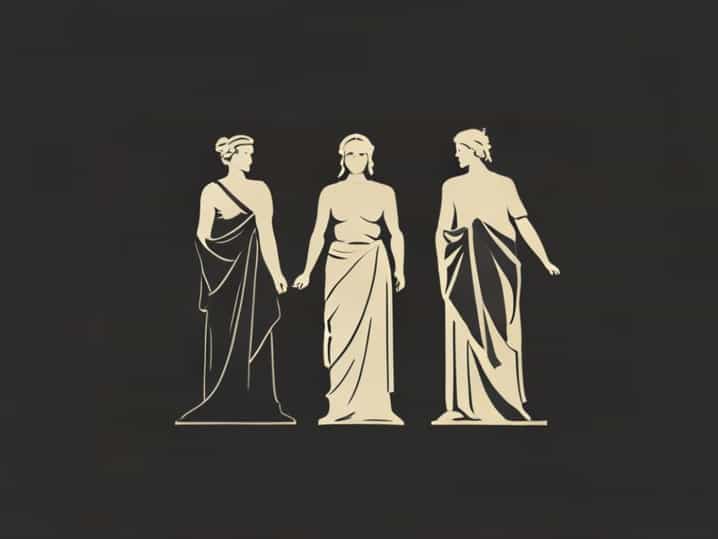
In the world of Greek tragedy, few figures evoke as much fear and fascination as the Eumenides. In Sophocles’ playOedipus at Colonus, these mysterious beings play a pivotal role, symbolizing both vengeance and divine justice. Understanding who the Eumenides are in this particular play requires exploring their origins, their functions, and how they interact with Oedipus’ story. Unlike some mythological characters who act out of personal desire, the Eumenides are embodiments of moral order and cosmic punishment. Their presence inOedipus at Colonushighlights the tension between guilt, redemption, and fate, offering insights into ancient Greek views on justice and the afterlife.
The Origins of the Eumenides
The Eumenides, also known as the Furies in Roman mythology, are ancient deities of vengeance. In Greek mythology, they are often described as three sisters born from the blood of Uranus, the sky god, when he was overthrown by his son Cronus. Their names are Alecto, Megaera, and Tisiphone, each representing a different aspect of vengeance and moral retribution. While the Furies are terrifying in appearance, they serve a divine purpose punishing crimes that upset the natural and social order, particularly offenses like murder, perjury, and betrayal of family.
The Role of the Eumenides in Greek Tragedy
In Greek tragedies, the Eumenides act as agents of moral balance. They are relentless and impartial, often pursuing wrongdoers across generations until justice is served. Unlike human judges, they operate beyond human law, reflecting the idea that some crimes are so serious that only divine forces can address them. Their pursuit is not motivated by anger in a human sense but by the need to restore order. In this way, the Eumenides are both feared and respected, representing the inescapable consequences of immoral actions.
The Eumenides inOedipus at Colonus
InOedipus at Colonus, Sophocles portrays the Eumenides in a unique and symbolic way. By the time Oedipus arrives at Colonus, he is an old man, blind and weary, carrying the burden of his tragic past. The Eumenides appear not just as punishing spirits but as figures who recognize the sacred and mysterious nature of his life and death. Their presence emphasizes the weight of Oedipus’ crimes-unknowingly killing his father and marrying his mother-while also pointing to the inevitability of fate and the divine structure of justice.
Why the Eumenides Are Important in the Play
The Eumenides serve several important functions inOedipus at Colonus
- Symbolizing Moral JusticeThey remind both Oedipus and the audience that moral order exists beyond human comprehension and cannot be escaped.
- Guiding Oedipus’ FateWhile they are traditionally seen as forces of punishment, in this play they also act as silent witnesses to Oedipus’ final moments, linking his death to sacred destiny.
- Connecting to the UnderworldThe Eumenides embody the idea that the consequences of actions extend beyond life, reinforcing the Greek belief in divine oversight of human affairs.
Characteristics of the Eumenides
The Eumenides are usually depicted as terrifying figures, often with snakes in their hair and bloodshot eyes, which reflects their unyielding pursuit of justice. Despite their fearsome appearance, they are not purely evil. InOedipus at Colonus, their characteristics highlight both fear and reverence. They are inexorable, patient, and impartial. These qualities differentiate them from human avengers, emphasizing their divine authority. They operate according to universal law rather than personal vendettas, which makes them central to understanding the play’s exploration of morality and fate.
The Dual Nature of the Eumenides
One of the most fascinating aspects of the Eumenides is their duality. They are both destructive and protective. In Greek culture, this is reflected in their name Eumenides, which means the kindly ones, a euphemistic way of addressing a force that could easily bring terror. In the context ofOedipus at Colonus, this duality becomes clear while they represent punishment for past crimes, they also contribute to Oedipus’ final sanctification. Their presence ensures that the moral universe remains balanced and that the consequences of one’s actions are recognized, even if mercy is ultimately granted.
Oedipus’ Interaction with the Eumenides
ThroughoutOedipus at Colonus, Oedipus encounters the Eumenides not as characters who speak or act directly but as symbolic forces. Their role is to underscore his guilt and the inexorability of fate. Oedipus’ awareness of their presence demonstrates his understanding of divine law. Unlike other Greek tragedies where the Furies pursue the guilty with violence, in this play they are intertwined with the sacred setting of Colonus, marking Oedipus’ final resting place as hallowed ground. This reinforces the idea that justice in Greek thought is intertwined with sanctity and destiny.
The Message Behind Their Appearance
The Eumenides in Sophocles’ work convey several key messages
- Human beings cannot escape the moral and cosmic consequences of their actions.
- Divine justice operates on a higher level than human understanding.
- The presence of sacred forces in human life serves to balance punishment with recognition of suffering and eventual redemption.
InOedipus at Colonus, the Eumenides are much more than mythological figures of vengeance; they are essential symbols of divine justice and the moral order that governs human life. They represent the inescapable consequences of wrongdoing while also highlighting the potential for reconciliation with the divine. Through their presence, Sophocles illustrates the delicate balance between fear and respect, punishment and mercy, mortality and the sacred. Understanding the Eumenides in this play helps modern audiences appreciate the depth of Greek tragedy and its exploration of fate, guilt, and the ultimate pursuit of justice.