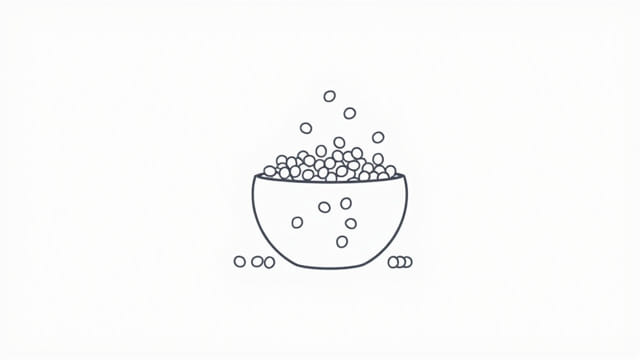
The English expression ‘full to the brim’ is a vivid and descriptive phrase commonly used to express the idea of something being completely or entirely filled, usually to the point of overflowing. You may have heard this phrase in everyday conversations, literature, or media. It is a metaphorical and sometimes literal way of describing a state of fullness, whether it’s a cup of coffee, a container of water, or even an emotional state such as joy or anger. This idiom has a strong visual impact and is used both figuratively and literally across many contexts. But what does it really mean, and how is it used in the English language?
Understanding the Phrase ‘Full to the Brim’
Literal Meaning
Literally, ‘full to the brim’ refers to a container that has been filled up to the very top edge known as the brim. A brim is the upper edge or rim of a vessel such as a glass, cup, or bowl. When a liquid or any substance reaches this level, the container is considered full to the brim. For instance, when you pour milk into a glass and it reaches the top without spilling, the glass is full to the brim.
Figurative Use
Figuratively, ‘full to the brim’ can describe emotional states, mental capacity, or even abstract concepts. Here are some examples:
- ‘She was full to the brim with excitement.’
- ‘His heart was full to the brim with love.’
- ‘The event was full to the brim with energy and celebration.’
In these examples, the phrase doesn’t refer to a physical container but uses the image to convey the idea of being filled to capacity with a particular feeling or quality.
Grammatical Structure and Usage
Is It a Complete Sentence?
The phrase ‘full to the brim’ by itself is not a complete sentence; it is a descriptive phrase. It generally functions as a predicate adjective or part of a prepositional phrase. You would usually find it following a subject and a linking verb, such as:
- ‘The glass is full to the brim.’
- ‘Her eyes were full to the brim with tears.’
Used in Both Formal and Informal English
This idiom is accepted in both formal writing and casual speech. While it adds a bit of dramatic flair in everyday conversations, it’s also commonly found in literature and journalism where expressive language is used to evoke imagery.
Origins of the Expression
Historical Background
The phrase ‘full to the brim’ has been part of English for several centuries. The word ‘brim’ dates back to Old English as brymme, referring to an edge or rim. Over time, the phrase evolved to become a poetic and impactful way to describe a state of maximum capacity. It is especially popular in idiomatic English and still remains widely used today.
Why It Sticks
The reason why ‘full to the brim’ is so enduring lies in its visual clarity. People understand what it looks like for something to be filled to its edge, so applying this idea metaphorically to emotions or situations makes it relatable and effective.
Examples of the Phrase in Context
Everyday Conversations
In daily speech, you might hear this phrase used to add emphasis:
- ‘The trash can is full to the brim. We need to take it out.’
- ‘Her bag was full to the brim with books.’
Literary and Creative Writing
Writers often use this phrase to add emotion and imagery:
- ‘His voice trembled, full to the brim with sorrow.’
- ‘The garden was full to the brim with blooming flowers.’
Marketing and Advertising
Brands may use the phrase to create a sense of abundance or satisfaction:
- ‘Our sandwiches are full to the brim with flavor!’
- ‘Experience a cup full to the brim with richness and aroma.’
Synonyms and Related Expressions
Other Ways to Say It
There are several other expressions that convey a similar meaning to ‘full to the brim.’ These include:
- ‘Overflowing’
- ‘Packed to the gills’
- ‘Filled to capacity’
- ‘Brimming with’
For instance, saying Her heart was brimming with joy carries nearly the same meaning as Her heart was full to the brim with joy. These phrases may be used interchangeably depending on the context and tone desired.
Common Mistakes and Misunderstandings
Spelling and Grammar Confusion
Some learners of English may confuse the use of the word ‘brim’ or mistakenly think ‘full to the brim’ is a noun phrase or even a standalone expression. However, it is important to remember that it is an idiomatic phrase that requires a context to be complete.
Overuse in Writing
While ‘full to the brim’ is expressive, using it too often in writing can reduce its impact. It’s best to use it sparingly and only when you want to highlight fullness in a vivid or dramatic way.
Cultural and Emotional Implications
A Phrase That Evokes Emotion
Because ‘full to the brim’ often describes emotional states, it is frequently used in poetry, storytelling, and music. It gives a poetic touch to ordinary expressions, helping the listener or reader connect emotionally to the subject.
Universally Understood
The visual imagery of something being completely full resonates across cultures, making this English idiom easily understandable by non-native speakers as well. That makes it a valuable tool for communication in a global context.
A Powerful Descriptive Phrase
The phrase ‘full to the brim’ may seem simple, but its power lies in the strong imagery and emotional resonance it creates. Whether used literally to describe a container filled with liquid or figuratively to convey deep feelings or overwhelming situations, it remains a relevant and effective part of the English language. It is not only grammatically sound but also rich in meaning and versatility. Learning how to use ‘full to the brim’ properly can help any speaker or writer add depth and vividness to their communication. So the next time you want to describe something that is filled entirely whether with coffee, joy, or emotion consider this timeless and expressive phrase.