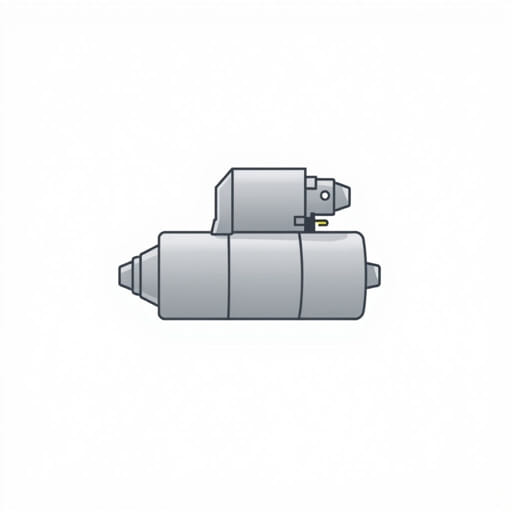
For most car owners, a starter motor is not something they think about until their vehicle refuses to start. The starter motor plays a critical role in getting your engine running by cranking it when you turn the ignition key. When it fails, it can leave you stranded and in need of a replacement. Understanding how much a starter motor costs can help you prepare financially and make smarter choices when dealing with car maintenance or repair. The price can vary widely depending on several factors such as the car’s make and model, the type of starter motor, and whether you opt for a brand-new or rebuilt unit.
What Does a Starter Motor Do?
The Role of the Starter Motor
The starter motor is a small but powerful electric motor that turns the engine over, initiating the combustion process. It works in conjunction with the battery and the ignition switch. Once the engine starts, the starter motor disengages and stops running. Without a functioning starter motor, the engine won’t start at all.
Common Signs of a Failing Starter
Before you spend money on a new starter motor, it’s important to identify whether the issue actually lies with it. Common symptoms of a failing starter motor include:
- A clicking noise when turning the key
- The engine won’t crank
- Intermittent starting issues
- Lights come on, but the engine stays silent
If you experience any of these symptoms, a mechanic can test your starter motor to confirm whether it needs replacement.
Average Cost of a Starter Motor
General Price Range
The cost of a starter motor varies depending on the type of vehicle and the specific part required. On average, you can expect the following price ranges:
- Economy Cars: $100 to $250 for the part
- Mid-Range Vehicles: $200 to $400 for the part
- Luxury or High-Performance Cars: $400 to $800 or more for the part
These figures represent the cost of the starter motor alone, without installation or labor costs. Some vehicles require more labor to access and replace the starter, which can significantly increase the total repair bill.
Labor Costs
In addition to the price of the starter motor, you’ll need to consider the cost of labor. Labor charges for starter motor replacement generally range from $150 to $500 depending on the complexity of the job and local shop rates. For vehicles with easy access to the starter, labor might be minimal. However, for cars with starter motors buried deep within the engine bay, more hours of work are required.
New vs Rebuilt Starter Motors
Choosing Between New and Remanufactured
When buying a replacement starter motor, you’ll usually have two options: new or rebuilt (remanufactured).
- New Starter Motor: These are factory-fresh units that come with a warranty and are less likely to fail prematurely. They cost more but provide peace of mind.
- Rebuilt Starter Motor: These are used units that have been disassembled, cleaned, and had worn parts replaced. They are cheaper but may not last as long as new ones.
Rebuilt starter motors typically cost 30% to 50% less than new ones. However, the trade-off is a potentially shorter lifespan and possibly a shorter warranty.
Warranty Considerations
Always check the warranty when purchasing a starter motor. New starters often come with warranties ranging from one to three years, while rebuilt versions may offer just 90 days to one year. A longer warranty can be worth the extra cost, especially if you plan to keep your car for several more years.
Where to Buy a Starter Motor
Auto Parts Stores
Well-known auto parts retailers offer a wide selection of starter motors for most makes and models. Shopping here ensures you get a product with warranty support and possibly advice from staff. Prices may be slightly higher than online but offer convenience and reliability.
Online Retailers
Buying online from marketplaces or automotive websites can save you money. Just be sure to buy from reputable sellers and confirm compatibility with your vehicle before purchasing.
Salvage Yards
If you’re on a tight budget, used starter motors from salvage yards are an option. These parts are removed from scrapped vehicles and usually sold at a fraction of the cost. However, they may come with limited or no warranty and are more prone to failure.
Installation and DIY Considerations
Can You Replace a Starter Motor Yourself?
If you’re mechanically inclined and have the proper tools, you might consider replacing the starter motor yourself. It’s a relatively straightforward job on some cars but can be complex on others. Always consult a repair manual specific to your vehicle before attempting a DIY repair.
Tools and Safety
Replacing a starter motor typically requires:
- Socket wrench set
- Jack and jack stands
- Battery terminal wrench
- Safety gloves and glasses
Make sure to disconnect the battery before starting the job to avoid electric shock or damage to the vehicle’s electrical system.
How Long Does a Starter Motor Last?
Typical Lifespan
Most starter motors last between 100,000 and 150,000 miles. However, frequent short trips, extreme weather, or issues with the ignition system can shorten its lifespan. Regular vehicle maintenance and addressing electrical issues promptly can help extend the life of your starter.
The cost of a starter motor depends on several factors including the make and model of your vehicle, whether you choose a new or rebuilt unit, and whether you install it yourself or hire a professional. While the part itself may cost anywhere from $100 to $800, labor can add a significant amount to the final bill. For the average car owner, the total replacement cost is typically between $300 and $700. Understanding these factors will help you budget effectively and make informed decisions when faced with a starter motor issue.