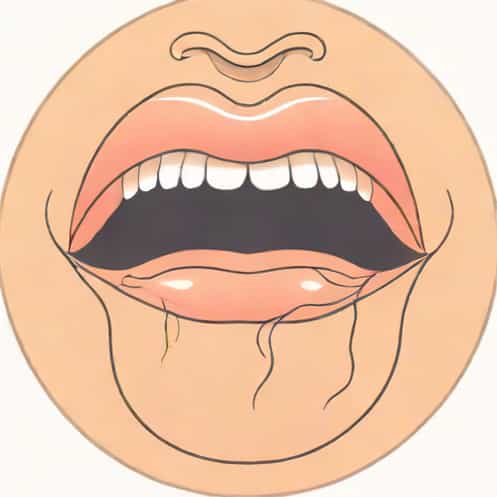
The facial nerve, also known as cranial nerve VII, plays a crucial role in the sensory and motor functions of the head and neck, including the tongue. Its involvement in the tongue is primarily related to taste sensation rather than movement, distinguishing it from other cranial nerves that manage muscular control. Understanding how the facial nerve innervates the tongue is essential for medical students, clinicians, and researchers, as it helps explain a wide range of clinical conditions, from taste disorders to nerve injuries. The nerve’s complex pathway, from its origin in the brainstem to its branches in the oral cavity, reflects the intricate coordination required for normal oral and facial function, emphasizing its importance in both everyday activities and specialized clinical evaluations.
Anatomy of the Facial Nerve
The facial nerve originates in the pons of the brainstem and consists of both motor and sensory fibers. It exits the skull through the internal acoustic meatus and travels through the facial canal of the temporal bone. Along its course, it gives off several branches responsible for facial expression, salivary gland function, and taste sensation. The nerve’s anatomy is particularly important in understanding its role in tongue innervation, as the chorda tympani branch carries sensory fibers that transmit taste information from the anterior two-thirds of the tongue to the brain.
Chorda Tympani and Tongue Innervation
The chorda tympani is a small branch of the facial nerve that plays a pivotal role in taste sensation. After branching off from the facial nerve within the temporal bone, it passes through the middle ear and exits via the petrotympanic fissure. Once it reaches the tongue, the chorda tympani innervates the anterior two-thirds, providing taste sensation while leaving general sensory input to the lingual nerve, a branch of the mandibular division of the trigeminal nerve. This distinction between taste and general sensation is critical, as injuries to the facial nerve can selectively affect taste without impairing tactile sensation.
Function of the Facial Nerve in the Tongue
The facial nerve contributes to tongue function primarily through its sensory role in taste. Taste receptors on the anterior two-thirds of the tongue detect five primary taste modalities sweet, sour, salty, bitter, and umami. The chorda tympani fibers transmit this information to the nucleus of the solitary tract in the medulla oblongata, where it is integrated and relayed to higher brain centers such as the thalamus and gustatory cortex. This pathway enables the perception of flavor, which is essential for food selection, nutrition, and overall quality of life.
Motor Function Indirectly Related to the Tongue
Although the facial nerve does not directly control the muscles of the tongue, it has indirect motor effects. Facial muscles, including those around the lips and cheeks, interact with tongue movements during speech, mastication, and swallowing. Proper coordination between the facial nerve and the hypoglossal nerve, which directly controls tongue muscles, is necessary for complex oral functions. Damage to the facial nerve can thus impact speech clarity and oral efficiency, even though the tongue’s motor function remains intact.
Clinical Significance
Understanding the facial nerve’s role in tongue innervation is crucial for diagnosing and managing several medical conditions. Disorders affecting the facial nerve can lead to loss of taste sensation, dry mouth, and impaired oral function, significantly impacting a patient’s quality of life.
Bell’s Palsy
Bell’s palsy is an acute, idiopathic paralysis of the facial nerve. Patients often experience sudden loss of taste on the anterior two-thirds of the tongue due to chorda tympani involvement. They may also present with drooping of the mouth, difficulty speaking, and reduced salivation. Early recognition and treatment with corticosteroids can improve outcomes, but the taste dysfunction may persist in some cases.
Trauma and Surgical Injury
The facial nerve is vulnerable during middle ear surgery, parotid gland surgery, or temporal bone procedures. Damage to the chorda tympani branch can result in selective loss of taste on the anterior portion of the tongue. Surgeons must carefully navigate the facial nerve to preserve both motor and sensory functions, especially in procedures near the ear and oral cavity.
Neurological Disorders
Various neurological conditions, including tumors, infections, and demyelinating diseases, can affect the facial nerve. Taste disturbances may be an early indicator of nerve involvement, prompting further imaging and diagnostic studies. Understanding the nerve’s anatomy and function is essential for accurate localization of lesions and appropriate management.
Testing Facial Nerve Function in the Tongue
Clinicians assess facial nerve function related to tongue innervation using several methods
- Taste TestingApplying solutions representing sweet, sour, salty, and bitter tastes to the anterior two-thirds of the tongue can evaluate chorda tympani function.
- Salivary SecretionObserving changes in saliva production, especially from the submandibular and sublingual glands, can indicate facial nerve compromise.
- ElectroneurographyMeasuring electrical activity in facial muscles and associated sensory fibers provides objective data on nerve integrity.
Recovery and Rehabilitation
When the facial nerve is damaged, recovery depends on the extent and location of injury. Minor injuries often resolve spontaneously, restoring taste and facial movement over weeks to months. Physical therapy, including facial exercises, can improve motor function, while taste recovery may be aided by dietary adjustments and flavor enhancement. In cases of permanent damage, patients may require long-term strategies to cope with altered taste perception and oral function.
The facial nerve’s innervation of the tongue is a complex yet highly specialized system that primarily serves taste sensation on the anterior two-thirds. Its chorda tympani branch transmits critical sensory information to the brain, enabling flavor perception and contributing indirectly to oral motor coordination. Understanding this function is vital for medical professionals in diagnosing, managing, and rehabilitating conditions that affect the facial nerve. From Bell’s palsy to surgical injury, the implications of facial nerve dysfunction are broad, highlighting the importance of careful clinical assessment and targeted interventions to preserve both taste and overall oral health.