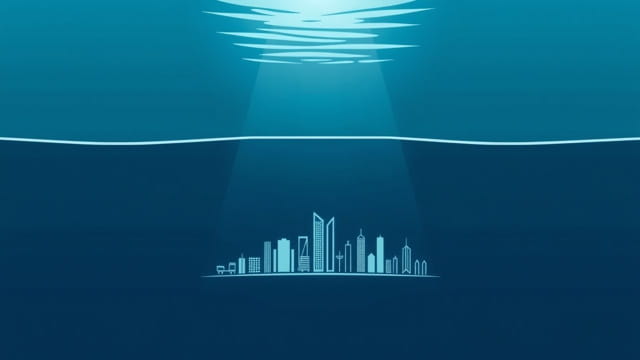
The phrase City Beneath the Sea has captivated imaginations for decades, symbolizing a world of mystery, adventure, and futuristic possibilities. Often associated with science fiction stories, classic television films, and even myths about underwater civilizations, this concept blends human curiosity with the allure of unexplored ocean depths. While much of the fascination stems from fictional narratives, the idea has roots in real-world aspirations of building underwater habitats. This topic explores the origins of the City Beneath the Sea, its portrayal in media, technological challenges, and its cultural impact over time.
Origins of the Concept
The notion of a city under the ocean has long been present in literature and folklore. From Plato’s legendary Atlantis to early 20th-century adventure novels, people have envisioned thriving civilizations hidden beneath the waves. These stories often portray underwater cities as technologically advanced societies or as remnants of lost civilizations, suggesting that life could adapt to extreme environments. The romanticism of these tales laid the foundation for future interpretations, including mid-20th-century films and television specials such as City Beneath the Sea.
The 1971 NBC Television Movie
One of the most iconic interpretations of this theme came from the 1971 science-fiction television film titled City Beneath the Sea. Produced by Irwin Allen, the film presented a futuristic vision of an underwater metropolis built to house people and store valuable resources. The plot followed scientists, military personnel, and engineers as they faced challenges of constructing and maintaining life beneath the ocean while navigating human conflicts and external threats.
Plot Overview
Set in the year 2053, the film imagines a world where a major underwater city, Pacifica, has been developed to solve population and resource problems on Earth. However, building a city beneath the sea introduces significant risks. The storyline involves political intrigue, sabotage, and natural disasters that threaten the survival of the underwater colony. This dramatic portrayal reflected the growing interest in ocean exploration and technological innovation during the 1970s.
Main Characters and Cast
The cast of City Beneath the Sea featured notable actors of the era:
- Stuart Whitmanas Admiral Mike Matthews, the strong leader overseeing Pacifica’s security.
- Rosemary Forsythas Lia Holmes, a scientist deeply involved in the city’s development.
- Robert ColbertandBurr DeBenningin key supporting roles that added tension and drama.
- Joseph Cottenappeared in a distinguished role, bringing gravitas to the storyline.
The diverse characters highlighted the human challenges of pioneering a new world beneath the ocean, such as leadership struggles, ethics in science, and survival under extreme conditions.
Technological Ideas in the Film
While fictional, City Beneath the Sea incorporated futuristic technologies that mirrored real scientific discussions of the time. Concepts like pressurized habitats, oxygen recycling systems, and deep-sea energy harvesting reflected genuine engineering challenges. The film’s design for Pacifica suggested modular structures and transparent domes, inspiring similar ideas in later science fiction and speculative engineering projects.
Scientific Feasibility of Underwater Cities
Is it possible to build a real city beneath the sea? Scientists and engineers have debated this question for decades. Some practical efforts have been made, such as underwater research stations like Aquarius Reef Base, but scaling these into full cities involves enormous obstacles:
- Pressure Management: At ocean depths, water pressure increases significantly, requiring robust structural integrity.
- Oxygen and Water Supply: Systems must ensure breathable air and clean water for long-term human survival.
- Energy Production: Sustainable power sources, possibly tidal or geothermal energy, would be critical.
- Transportation: Efficient movement between land and underwater habitats would require advanced submersible vehicles or tunnels.
- Psychological Factors: Isolation and confined living conditions pose mental health challenges for residents.
While the dream of underwater cities remains largely fictional, technological progress in marine engineering, robotics, and renewable energy keeps the idea alive for future generations.
Cultural Impact and Legacy
City Beneath the Sea left a lasting mark on pop culture, even though it was not developed into a full television series as originally planned. Its influence is evident in subsequent films, novels, and animated shows that explore underwater civilizations. The film tapped into environmental concerns, Cold War anxieties, and futuristic optimism, making it a time capsule of early 1970s science fiction. Collectors and classic TV enthusiasts still regard the movie as a cult favorite.
Similar Themes in Media
Other science fiction works have expanded on similar ideas. Shows like SeaQuest DSV in the 1990s revisited underwater habitats, while animated films and video games continue to feature oceanic cities as symbols of mystery and innovation. These portrayals often combine adventure with warnings about ecological balance, emphasizing humanity’s responsibility toward ocean conservation.
Environmental Relevance
The concept of a city beneath the sea resonates strongly in today’s context of climate change and rising sea levels. As land-based cities face threats from flooding, some futurists revisit underwater urbanism as a survival strategy. While building massive underwater cities remains impractical at present, research into floating structures, ocean farming, and marine-based architecture shows that ocean-related solutions may play a role in addressing global challenges.
Lessons from City Beneath the Sea
The film offered more than just entertainment; it explored themes still relevant today:
- The tension between technological ambition and natural forces.
- The ethical dilemmas of resource exploitation and environmental stewardship.
- The human spirit of innovation in the face of existential challenges.
These lessons encourage reflection on how far humanity can and should go in altering natural environments for survival.
Modern Vision of Underwater Cities
Architectural firms and tech innovators have presented conceptual designs for underwater resorts and research hubs. While these projects are currently focused on tourism and scientific exploration, they showcase the same principles imagined in City Beneath the Sea. Futuristic concepts involve transparent domes, marine integration, and renewable energy systems, echoing the vision of a harmonious coexistence between humans and ocean ecosystems.
The idea of a city beneath the sea continues to intrigue audiences worldwide. From mythological tales of Atlantis to the 1971 Irwin Allen film, this concept combines adventure, technology, and environmental foresight. While the City Beneath the Sea remains mostly fictional, it reflects humanity’s persistent dream of exploring new frontiers. With advancing technology and growing environmental challenges, the question is not just whether we can build underwater cities, but whether doing so will become a necessity in the future. Until then, the City Beneath the Sea will remain a fascinating blend of science fiction and visionary thinking.