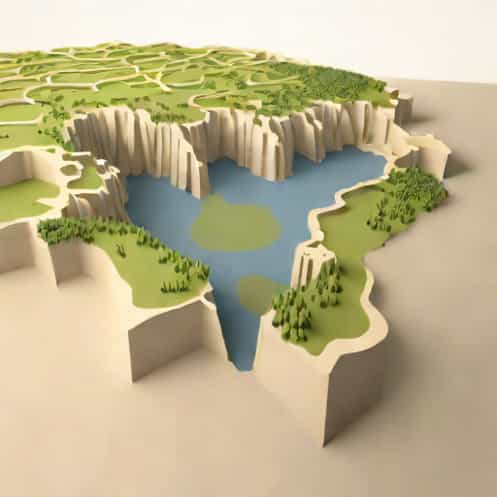
Basaltic plateaus are striking geological features that cover vast areas of the Earth’s surface, often forming extensive flat or gently sloping landscapes. These formations are primarily composed of basalt, a dark, fine-grained volcanic rock that originates from molten lava. Understanding the formation of basaltic plateaus requires exploring the processes of volcanic activity, magma composition, and tectonic movements. These plateaus are not only fascinating from a geological perspective but also play a significant role in shaping the ecosystems and human settlements that develop on and around them. Their formation involves a combination of geological forces that span millions of years, making them essential to the study of Earth’s dynamic crust.
What is a Basaltic Plateau?
A basaltic plateau is a large, elevated landform characterized by extensive horizontal layers of solidified lava flows. Unlike isolated volcanic mountains, basaltic plateaus form broad, relatively flat regions due to the widespread outpouring of low-viscosity basaltic lava. These plateaus are sometimes called flood basalt provinces because they result from repeated, massive eruptions that cover existing landscapes with thick lava sheets. Examples include the Deccan Plateau in India, the Columbia Plateau in the United States, and the Ethiopian Highlands. Their size can range from hundreds to thousands of square kilometers, demonstrating the immense scale of volcanic processes involved in their formation.
Composition of Basalt
Basalt, the primary rock type in these plateaus, is an extrusive igneous rock that forms from rapidly cooled lava. It is rich in iron and magnesium and low in silica, which makes it relatively fluid when molten. This low viscosity allows basaltic lava to flow over great distances before solidifying, creating extensive, continuous layers. The mineral composition of basalt typically includes plagioclase feldspar, pyroxene, and olivine, which contribute to its dark color and dense structure. Understanding basalt’s properties is key to comprehending why it spreads so widely during eruptions and forms plateau-like landscapes instead of steep volcanic cones.
Volcanic Activity and Lava Flows
The formation of basaltic plateaus is closely linked to large-scale volcanic activity. Unlike explosive volcanoes that produce ash and pyroclastic material, the eruptions responsible for basaltic plateaus are usually non-explosive, with lava steadily pouring out of fissures and cracks in the Earth’s crust. These fissure eruptions create thin but widespread lava flows, which gradually accumulate over time. Repeated eruptions from multiple fissures can build up enormous thicknesses of basalt, sometimes reaching several hundred meters. The layering of lava flows over millions of years results in the broad, elevated surfaces characteristic of basaltic plateaus.
Fissure Eruptions
Fissure eruptions are a critical aspect of basaltic plateau formation. Instead of erupting from a central volcanic cone, magma rises through elongated cracks or fissures in the Earth’s crust. The lava emerges as a flood, spreading outward in a relatively uniform manner. This creates extensive sheets of basalt that can cover pre-existing topography, filling valleys and smoothing uneven terrain. Fissure eruptions are typically associated with tectonic activity, such as rift zones, where the crust is being pulled apart and magma can rise easily to the surface.
Repeated Lava Flows
The key to the formation of a plateau lies in the repetition of lava flows. Each eruption deposits a new layer of basalt over older layers, gradually building up the plateau’s height. Cooling and solidification of the lava create durable, resistant rock layers that protect underlying sediments from erosion. Over time, the accumulation of multiple flows forms a thick, stratified structure, giving the plateau its characteristic flat or gently sloping profile. This process can continue for millions of years, depending on the duration and frequency of volcanic activity in the region.
Tectonic Influences on Plateau Formation
Tectonic processes also play a significant role in the development of basaltic plateaus. Many plateaus are associated with rift zones, mantle plumes, or hotspots, where magma from deep within the Earth rises to the surface. The movement of tectonic plates can create fractures and fissures that act as channels for magma, allowing widespread eruptions to occur. In some cases, the lithosphere may undergo uplift due to underlying mantle activity, further elevating the plateau and influencing its drainage patterns and landscape evolution.
Hotspots and Mantle Plumes
Hotspots, or localized areas of intense heat in the mantle, are often responsible for massive basaltic eruptions. Mantle plumes push magma upward, creating fissure eruptions that can cover extensive areas. Over time, repeated activity at these hotspots generates enormous basaltic plateaus. The Deccan Traps in India and the Siberian Traps in Russia are examples of plateaus formed by mantle plume activity, demonstrating the link between deep Earth processes and surface geology.
Rift Zones
Rift zones, where tectonic plates are diverging, also contribute to basaltic plateau formation. As the crust stretches and thins, fissures open, allowing basaltic magma to escape. The lava flows from these rift zones can cover vast areas, building up the plateau gradually. The East African Rift is an active example of a region where basaltic plateau formation continues due to ongoing tectonic extension and volcanic activity.
Erosion and Landscape Development
Once formed, basaltic plateaus are subject to erosion and weathering, which shape their long-term landscape. Basalt is relatively resistant to erosion, but rivers, rainfall, and wind gradually sculpt the plateau, creating valleys, cliffs, and escarpments. In some regions, differential erosion between basalt layers and underlying softer rocks can lead to the formation of stepped terraces or prominent cliffs. Despite erosion, the overall flat or gently sloping character of basaltic plateaus is maintained due to the extensive coverage and durability of basalt flows.
Drainage Patterns
Drainage patterns on basaltic plateaus are influenced by the layering of lava flows. Water often follows fractures and joints in the basalt, creating rivers and streams that carve valleys over time. These drainage systems can be radial, dendritic, or rectangular, depending on the plateau’s geological structure and the orientation of fissures. Proper understanding of drainage patterns is important for both geological studies and human settlement planning on basaltic plateaus.
Ecological and Human Significance
Basaltic plateaus are not only geologically significant but also support diverse ecosystems and human activity. The soil derived from weathered basalt is often fertile, providing a foundation for agriculture in regions such as the Deccan Plateau. Plateau landscapes influence climate, water availability, and biodiversity, creating unique habitats for plants and animals. Human settlements frequently develop on plateaus due to their elevated, stable terrain, access to fertile soils, and strategic vantage points.
Agriculture and Settlement
Many basaltic plateaus have rich soils formed from volcanic ash and weathered basalt, making them suitable for crops such as wheat, barley, and coffee. Ancient civilizations often chose plateau regions for settlements due to the combination of fertile land and natural defense advantages. Today, basaltic plateaus continue to support dense populations and agricultural productivity, highlighting their ongoing economic and social importance.
Biodiversity
The unique topography and soil composition of basaltic plateaus foster distinct plant and animal communities. Some plateaus host endemic species adapted to the elevated, rocky environment. The variation in microclimates across the plateau, including cliffs, valleys, and flatlands, contributes to ecological diversity. Conservation of these areas is important to preserve their unique habitats and maintain the balance between human activity and natural ecosystems.
The formation of basaltic plateaus is a complex process involving volcanic activity, tectonic forces, and long-term accumulation of lava flows. Basaltic plateaus provide insight into the Earth’s geological history, illustrating the power of fissure eruptions, mantle plumes, and tectonic dynamics. Over time, erosion, weathering, and ecological processes shape these plateaus into landscapes that support both natural ecosystems and human communities. From their dramatic cliffs to fertile soils, basaltic plateaus are enduring symbols of the dynamic processes that shape our planet, offering valuable opportunities for geological study, agriculture, and environmental conservation.