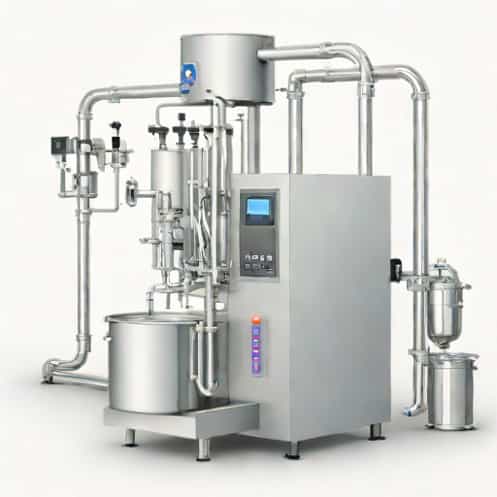
Goat milk has long been appreciated for its nutritional benefits and digestibility, often considered a healthy alternative to cow’s milk. However, just like any raw milk, goat milk must be properly pasteurized to ensure it is safe for consumption. This is where a goat milk pasteurizer machine becomes an essential piece of equipment. Designed to heat milk to a specific temperature and then cool it rapidly, the pasteurizer eliminates harmful bacteria while preserving nutrients and flavor. Whether for small farms, dairies, or home producers, understanding how these machines work and what to look for in one is crucial for producing safe, high-quality goat milk.
Understanding Goat Milk Pasteurization
Pasteurization is a process that involves heating milk to a precise temperature for a set amount of time to destroy pathogens such as Listeria, Salmonella, and E. coli. The process helps extend the shelf life of milk without significantly affecting its taste or nutritional value. For goat milk, this process is especially important because the natural composition of the milk being rich in fat globules and proteins makes it more prone to spoilage if left untreated.
There are two main methods of pasteurization commonly used for goat milk
- Low-Temperature, Long-Time (LTLT)The milk is heated to about 145°F (63°C) and held for 30 minutes. This method is often used in small farms or home setups where smaller batches of milk are processed.
- High-Temperature, Short-Time (HTST)The milk is heated to approximately 161°F (72°C) for 15 seconds. This method is preferred in commercial settings due to its efficiency and consistency.
A goat milk pasteurizer machine automates this process, ensuring consistent heating, holding, and cooling phases that meet safety standards. It allows producers to avoid guesswork and reduces the risk of overheating, which can damage the milk’s quality.
How a Goat Milk Pasteurizer Machine Works
At its core, a goat milk pasteurizer machine operates on a simple yet precise heating and cooling system. Most units consist of a double-walled stainless-steel tank, an agitator, a temperature control system, and a cooling mechanism. The machine heats the milk evenly through indirect heat using hot water or steam between the layers of the tank to avoid scorching or uneven pasteurization.
Step-by-Step Process
- PreparationThe raw goat milk is filtered and poured into the pasteurizer tank. It is crucial to ensure that the equipment is clean before use to prevent contamination.
- HeatingThe machine gradually raises the milk’s temperature to the desired level using controlled heat. The agitator continuously stirs the milk to maintain uniform temperature distribution.
- HoldingOnce the target temperature is reached, the milk is held at that level for the required time, ensuring all harmful bacteria are destroyed.
- CoolingThe pasteurizer then rapidly cools the milk to around 40°F (4°C) to prevent any bacterial growth. This cooling stage is vital for preserving freshness and taste.
Modern goat milk pasteurizers come equipped with digital temperature controls and automated timers, making the process easy and reliable. Some models even include a recording feature that logs temperature data for compliance with food safety regulations.
Types of Goat Milk Pasteurizer Machines
There are several types of pasteurizer machines designed to meet different production needs. The right type depends on the volume of milk processed, available space, and budget.
1. Batch Pasteurizers
Batch pasteurizers are commonly used by small-scale dairy farmers or artisan producers. These units heat a specific amount of milk in one cycle, making them ideal for limited daily production. They are simple to operate, cost-effective, and perfect for farms that focus on quality over quantity. Many home dairy enthusiasts also prefer batch pasteurizers for their ease of cleaning and maintenance.
2. Continuous (HTST) Pasteurizers
Continuous or HTST pasteurizers are designed for larger operations that require high output. They continuously heat milk as it flows through the system, making the process much faster and more efficient. While they are more expensive than batch units, they offer superior consistency and energy efficiency, making them suitable for commercial dairies producing bottled goat milk or cheese.
3. Home or Mini Pasteurizers
For hobby farmers or small homesteads, mini pasteurizers are compact units that handle a few liters at a time. Despite their small size, they often feature advanced controls for temperature and timing. They’re perfect for families that raise goats and want to safely enjoy fresh milk without investing in large equipment.
Benefits of Using a Goat Milk Pasteurizer Machine
Using a goat milk pasteurizer machine offers several advantages that extend beyond food safety. It helps improve product quality, consistency, and shelf life while simplifying the production process. Here are some of the main benefits
- Safety AssurancePasteurization eliminates harmful bacteria, reducing the risk of foodborne illnesses.
- Extended Shelf LifePasteurized milk lasts longer than raw milk, making it more suitable for commercial distribution.
- Preserved Flavor and NutrientsProperly pasteurized goat milk retains its mild, creamy taste and key nutrients such as calcium, vitamin D, and protein.
- Regulatory ComplianceFor those selling milk or dairy products, pasteurization ensures compliance with health and food safety regulations.
- Efficiency and ConvenienceAutomated systems reduce manual work and allow for consistent results every time.
Key Features to Look for in a Goat Milk Pasteurizer
When choosing a goat milk pasteurizer machine, certain features make a significant difference in performance and ease of use. Consider the following aspects before purchasing
- CapacityChoose a unit that matches your production needs whether you process 5 liters or 500 liters per batch.
- MaterialStainless steel is the preferred material due to its durability, hygiene, and ease of cleaning.
- Temperature ControlLook for precise digital thermostats and automated safety cutoffs to prevent overheating.
- Ease of CleaningPasteurizers with detachable components or built-in cleaning systems (CIP) save time and ensure sanitation.
- Energy EfficiencyModels with insulated tanks and efficient heating systems consume less power over time.
Additionally, some modern pasteurizers come with dual functionality allowing users to pasteurize milk and make products like yogurt or cheese using the same unit. This versatility makes them a smart investment for small-scale dairy entrepreneurs.
Maintenance and Cleaning
To keep a goat milk pasteurizer machine in top condition, regular maintenance is essential. After each use, all parts that come in contact with milk must be thoroughly washed and sanitized. Residue buildup not only affects the machine’s performance but can also lead to bacterial contamination. Checking seals, valves, and temperature sensors periodically ensures consistent operation.
Manufacturers often recommend running a cleaning cycle with hot water and mild detergent. For stainless steel units, avoiding harsh abrasives preserves the interior finish and extends the machine’s lifespan. Proper maintenance also includes regular calibration of temperature sensors to maintain accuracy during pasteurization cycles.
Applications Beyond Milk
While primarily used for milk, goat milk pasteurizer machines can also handle other liquid dairy products like cream or yogurt bases. Some producers use them to pasteurize plant-based milk alternatives or fruit juices. Their ability to heat and cool liquids precisely makes them a versatile tool in small-scale food processing operations.
The goat milk pasteurizer machine represents a blend of science, safety, and simplicity allowing producers to deliver high-quality, safe dairy products without compromising on flavor or nutrition. Whether for home use or commercial production, the right pasteurizer provides control, consistency, and peace of mind. As consumer demand for goat milk continues to rise, understanding and investing in proper pasteurization equipment becomes not just beneficial but essential. From small homesteads to large dairies, these machines ensure that every glass of goat milk is as pure and wholesome as nature intended.