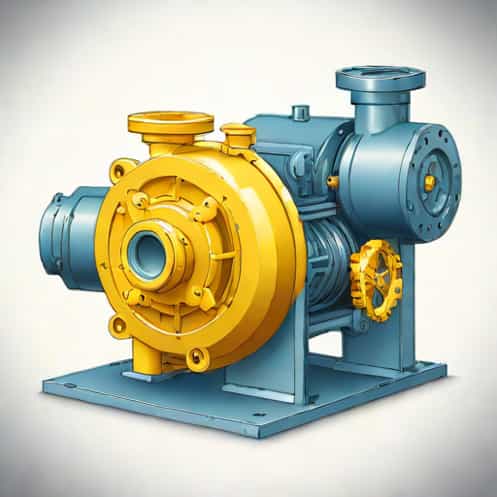
High pressure multistage pumps are essential pieces of equipment used in various industrial applications where large volumes of fluid need to be moved at high pressure. These pumps are designed to efficiently handle demanding tasks, ranging from water supply and boiler feed systems to reverse osmosis and chemical processing. The term multistage refers to the fact that the pump uses multiple impellers in series to increase the pressure of the fluid, allowing it to overcome high resistance or elevation differences. Understanding how high pressure multistage pumps work, their benefits, applications, and maintenance requirements is critical for engineers, plant operators, and anyone involved in fluid handling systems.
What Is a High Pressure Multistage Pump?
A high pressure multistage pump is a type of centrifugal pump that contains two or more impellers arranged in series within a single casing or multiple casings. Each impeller adds energy to the fluid, gradually increasing its pressure as it moves through each stage. These pumps are specifically designed to handle applications requiring high discharge pressures while maintaining steady flow rates. Their efficiency, reliability, and adaptability make them suitable for both industrial and municipal purposes.
Basic Components
- ImpellersThe rotating elements that impart energy to the fluid.
- ShaftConnects the impellers and transmits mechanical energy from the motor.
- CasingThe housing that directs fluid through each stage.
- BearingsSupport the shaft and ensure smooth rotation.
- SealsPrevent leakage of fluid along the shaft.
- Inlet and OutletConnections for fluid entry and discharge.
The combination of these components allows a multistage pump to achieve high pressures without the need for excessively large impellers or motors.
How High Pressure Multistage Pumps Work
The operation of a high pressure multistage pump relies on the principle of centrifugal force. Fluid enters the pump at the suction side and is accelerated by the first impeller, increasing its velocity and converting mechanical energy into pressure. The fluid then passes to the next impeller, where the process is repeated. Each additional stage incrementally raises the pressure until the desired output is achieved.
Stages and Pressure Build-Up
- Single-stage pumps produce limited pressure and are suitable for low-head applications.
- Multistage pumps use multiple impellers in series to generate high pressures required for tasks such as boiler feed or reverse osmosis.
- The number of stages depends on the required discharge pressure and flow rate.
- Each stage contributes to a fraction of the total pressure, distributing the workload evenly and improving efficiency.
This staged approach allows multistage pumps to deliver consistent performance over a wide range of operating conditions while reducing the risk of cavitation or mechanical stress.
Applications of High Pressure Multistage Pumps
High pressure multistage pumps are versatile and widely used across industries. Their ability to provide steady, high-pressure flow makes them ideal for demanding processes. Key applications include
Industrial Applications
- Boiler feed systems in power plants and manufacturing facilities
- Water treatment and distribution systems
- Reverse osmosis and desalination plants
- Chemical processing and high-pressure washing systems
- Hydraulic systems requiring precise pressure control
- Mining and oil & gas operations for fluid transport under pressure
In each application, high pressure multistage pumps help improve efficiency, maintain system stability, and meet operational requirements. Their ability to handle varying flow rates and pressures makes them indispensable in industrial setups.
Advantages of High Pressure Multistage Pumps
These pumps offer several benefits over single-stage or other conventional pump designs. Some of the main advantages include
- Ability to generate very high discharge pressures without oversized equipment
- Compact design compared to large single-stage pumps with equivalent performance
- Improved efficiency through staged energy conversion
- Flexibility in adjusting the number of stages to meet specific pressure requirements
- Reduced mechanical stress on impellers and bearings, enhancing durability
- Capability to handle clean, low-viscosity liquids over long distances or elevations
These benefits make high pressure multistage pumps an economical and reliable choice for both new installations and retrofit projects.
Types of High Pressure Multistage Pumps
There are several designs of high pressure multistage pumps, tailored to specific applications and operating conditions. The main types include
- Horizontal Multistage PumpsIdeal for general industrial use, easy to maintain, and typically used in water supply and boiler feed systems.
- Vertical Multistage PumpsCommon in applications where floor space is limited, such as municipal water systems, and provide stable performance.
- Single-Suction vs. Double-SuctionSingle-suction pumps draw fluid from one side of the impeller, while double-suction pumps draw fluid from both sides, reducing axial thrust and increasing efficiency.
Choosing the appropriate type depends on system layout, required flow, available space, and pressure demands.
Maintenance and Operational Considerations
Proper maintenance is crucial for the long-term performance of high pressure multistage pumps. Neglecting routine checks can lead to decreased efficiency, mechanical failures, and system downtime. Key maintenance considerations include
Maintenance Tips
- Regular inspection of bearings, seals, and impellers for wear or damage
- Monitoring vibration and noise levels to detect potential issues
- Lubricating bearings and other moving parts according to manufacturer recommendations
- Checking alignment of the pump and motor to prevent shaft stress
- Ensuring proper suction conditions to avoid cavitation and air entrainment
- Cleaning and flushing the pump periodically to remove debris or scale buildup
Following these practices helps ensure that high pressure multistage pumps operate reliably and maintain optimal efficiency over their service life.
Common Issues and Troubleshooting
Even well-maintained pumps can experience operational issues. Common problems include
- Cavitation due to insufficient suction pressure or air in the system
- Excessive vibration caused by misalignment or bearing wear
- Reduced flow or pressure due to clogged impellers or suction strainers
- Seal leakage leading to fluid loss or contamination
- Overheating caused by inadequate lubrication or high operating speeds
Troubleshooting involves systematic inspection, identifying root causes, and addressing them promptly to avoid prolonged downtime or damage to the pump system.
High pressure multistage pumps are vital in many industrial, municipal, and commercial applications requiring high discharge pressures and steady flow. Their design, featuring multiple impellers in series, allows for efficient energy conversion and adaptability to various operating conditions. With proper maintenance, these pumps provide reliable performance, long service life, and operational efficiency. Understanding their components, working principles, applications, and maintenance requirements is essential for engineers, plant operators, and facility managers. By selecting the appropriate pump type and adhering to best practices, high pressure multistage pumps can meet demanding fluid handling needs and contribute significantly to the success of industrial and commercial processes.