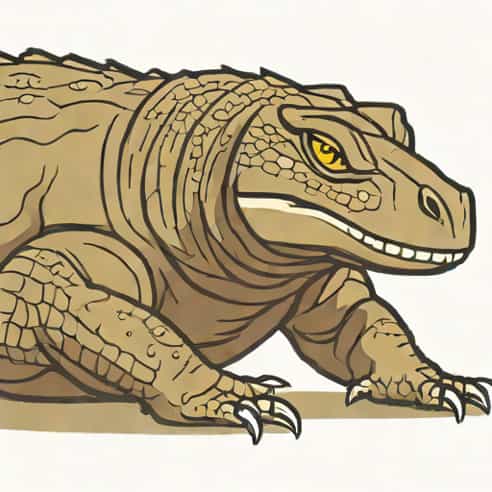
Komodo dragons are among the most fascinating and terrifying creatures on Earth. Native to a few Indonesian islands, these massive reptiles are the largest lizards in the world and can grow up to 10 feet in length, weighing over 150 kilograms. Their sheer size, combined with their powerful jaws, sharp teeth, and venomous bite, makes them formidable predators. Komodo dragons have inspired both awe and fear for centuries, drawing the attention of scientists, adventurers, and wildlife enthusiasts alike. Understanding their behavior, anatomy, and role in the ecosystem highlights why these creatures are both feared and respected around the world.
Physical Characteristics
Komodo dragons are impressive in both size and appearance. Adult males typically weigh between 70 to 90 kilograms, while females are slightly smaller. Their bodies are muscular and robust, covered in rough, armored skin with bony plates called osteoderms. Their coloration ranges from dark gray to brown, which helps them blend into the dry, rugged terrain of their native islands. Komodo dragons have powerful limbs with sharp claws, enabling them to dig burrows, climb, and attack prey effectively.
Venomous Bite
One of the most terrifying aspects of Komodo dragons is their bite. Contrary to earlier beliefs that they relied solely on bacteria in their mouths to kill prey, research has shown that they possess venom glands that release toxins. These toxins lower blood pressure, prevent clotting, and induce shock in their prey, making it easier for the dragon to subdue even large animals such as deer or water buffalo. Combined with their muscular bite force and serrated teeth, Komodo dragons can inflict fatal injuries with remarkable efficiency.
Hunting and Diet
Komodo dragons are apex predators, meaning they sit at the top of the food chain in their environment. They are opportunistic hunters and scavengers, capable of consuming almost any animal they can overpower. Their diet primarily consists of deer, wild boar, birds, and smaller reptiles. They have been observed ambushing prey by lying in wait and striking with explosive speed. Despite their bulk, Komodo dragons can run up to 20 kilometers per hour in short bursts, making them surprisingly agile hunters.
Feeding Habits
When Komodo dragons capture prey, they use their sharp teeth to tear large chunks of flesh. They can consume up to 80 percent of a carcass in a single feeding. Young dragons, however, are more cautious and feed on insects, small lizards, and birds to avoid predation by larger dragons. Cannibalism is not uncommon among Komodo dragons, with adults sometimes preying on juveniles. This brutal behavior ensures that only the strongest individuals survive, contributing to the species’ evolutionary success.
Behavior and Social Structure
Komodo dragons are solitary creatures for most of their lives, coming together only during mating season or around a large food source. Males establish dominance through physical displays and combat, using their tails and claws to push or grapple opponents. Females lay clutches of up to 20 eggs in burrows or in the nests of megapode birds. The eggs are incubated for about eight months, and hatchlings are immediately vulnerable to predators, including adult Komodo dragons.
Territoriality
These lizards are highly territorial and mark their range with scent glands. Territory size varies depending on food availability and the presence of other dragons. Encounters between adults can be aggressive, with fights often resulting in injuries but rarely fatalities. Understanding their territorial behavior is crucial for conservation efforts, as habitat disruption can lead to increased conflict and reduced survival rates.
Role in the Ecosystem
Despite their fearsome reputation, Komodo dragons play a vital role in maintaining the balance of their ecosystem. As apex predators, they regulate populations of herbivores and smaller carnivores, preventing overgrazing and promoting biodiversity. Their scavenging habits also help to clean the environment by consuming carrion. Protecting Komodo dragons ensures the health of their habitat, which includes tropical forests, savannas, and coastal areas.
Conservation Status
Komodo dragons are classified as vulnerable by the International Union for Conservation of Nature (IUCN). Their population is threatened by habitat loss, poaching, and human encroachment. Conservation efforts include habitat protection, anti-poaching patrols, and captive breeding programs. Komodo National Park in Indonesia is the primary sanctuary for these reptiles, offering visitors a safe opportunity to observe them while supporting conservation initiatives.
Human Interaction and Safety
Encounters with Komodo dragons in the wild are rare but potentially dangerous. These reptiles are capable of killing humans, especially if provoked or if food is involved. Visitors to Komodo National Park are advised to follow strict safety protocols, including staying with guides, maintaining a safe distance, and never feeding the dragons. Despite their danger, Komodo dragons attract researchers and tourists who are fascinated by their size, strength, and unique biology.
Tourism and Education
Eco-tourism and educational programs centered around Komodo dragons help raise awareness about the importance of conservation. Tourists can observe dragons in their natural habitat while learning about their behavior, diet, and ecological significance. These experiences provide insight into the challenges these reptiles face and the measures needed to protect them for future generations.
Why Komodo Dragons Are Terrifying
The combination of physical size, predatory skill, venomous bite, and aggressive behavior makes Komodo dragons truly terrifying creatures. Their ability to take down large prey, survive in harsh environments, and compete with other predators showcases their evolutionary success. Understanding their fearsome traits highlights why humans regard them with awe and caution, and why respecting their habitat is essential for both safety and conservation.
Komodo dragons are not only a symbol of raw power in the animal kingdom but also a crucial component of their ecosystem. Their terrifying appearance and capabilities captivate the imagination while emphasizing the importance of conservation efforts. Protecting these apex predators ensures the survival of a species that has existed for millions of years and continues to inspire fascination and respect. Observing Komodo dragons safely allows humans to appreciate the remarkable adaptability and strength of one of the world’s most extraordinary reptiles.