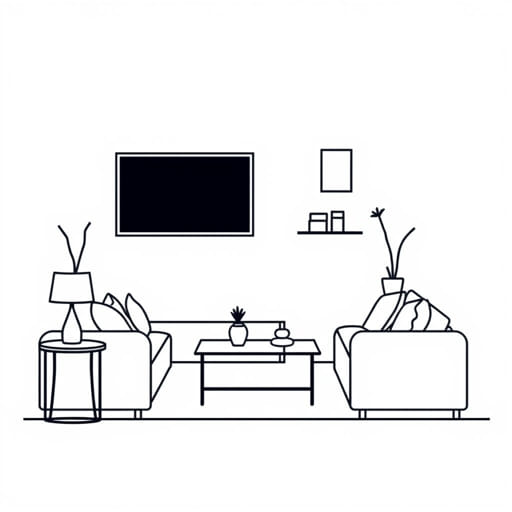
Designing a living room is more than just arranging furniture and picking colors. It is about creating a space that reflects your personality, provides comfort, and serves a functional purpose for everyday life. Whether you’re starting from scratch or updating an existing space, thoughtful planning is essential. A well-designed living room can serve multiple functions relaxation, entertainment, work, and socializing. With the right approach, you can design a living room that is both beautiful and practical, no matter the size or layout.
Understanding the Purpose of Your Living Room
Define How You Use the Space
The first step in living room design is identifying how the space will be used. Ask yourself these questions:
- Is it mainly for watching TV and lounging?
- Will you host guests and entertain often?
- Do you need space for working from home or for kids to play?
Clarifying these needs will guide your decisions on layout, furniture, lighting, and décor. For example, a room designed for family movie nights will differ from a formal sitting room used only for guests.
Choosing a Living Room Layout
Evaluate the Room’s Dimensions and Shape
Measure the size of your living room before choosing any furniture. Take note of architectural features such as windows, fireplaces, doorways, and built-ins. Understanding the layout helps you place each element in a way that enhances the flow and balance of the room.
Plan Functional Zones
In modern living rooms, it’s common to have more than one functional area. You can create zones for:
- Watching TV or movies
- Reading or quiet time
- Entertaining guests
- Play area for children
Use rugs, lighting, or furniture arrangement to define each zone naturally without making the room feel cluttered.
Selecting the Right Furniture
Start with the Essentials
The largest and most important pieces such as the sofa and coffee table should be chosen first. Look for seating that matches your needs in terms of size, comfort, and style. Sectional sofas are great for large families, while a compact loveseat may suit smaller spaces.
Balance Comfort and Style
Comfort is key in a living room. Choose soft seating with good back support. However, don’t ignore aesthetics. The style of your furniture should match the overall design concept modern, rustic, minimalist, traditional, or eclectic.
Consider Multi-functional Pieces
Especially in smaller living rooms, furniture that serves more than one purpose can save space and add value. Examples include:
- Ottomans with hidden storage
- Nesting tables
- Sofas that convert into beds
Picking a Color Scheme
Establish a Color Foundation
Choosing the right color palette sets the tone for the entire room. Neutral colors like white, gray, beige, or soft blues can create a calm, spacious feel. Bold colors can add energy and personality but should be balanced with softer tones to avoid overwhelming the space.
Use Color to Create Harmony
Stick to a main color and two to three accent colors. You can apply them through wall paint, textiles, furniture, and decorative accessories. Repeating these colors throughout the room will create visual cohesion.
Lighting for Ambience and Functionality
Layer Your Lighting
Lighting plays a crucial role in both function and mood. Incorporate three types of lighting:
- Ambient lighting: general light for the entire room (e.g., ceiling lights or chandeliers)
- Task lighting: for specific activities like reading (e.g., floor or desk lamps)
- Accent lighting: to highlight artwork or décor (e.g., wall sconces or LED strips)
Make Use of Natural Light
If your living room gets good sunlight, take advantage of it. Use light curtains or blinds that can be adjusted throughout the day. Mirrors can also reflect light and make the space appear brighter and larger.
Incorporating Textiles and Accessories
Add Warmth and Personality
Textiles like rugs, pillows, and throws are not only functional but also bring comfort and color. Choose materials that suit the climate and usage of the room. For example, cotton and linen work well in warm environments, while wool and velvet add coziness in colder seasons.
Display Meaningful Décor
Your living room should reflect who you are. Include personal touches like framed photos, artwork, plants, or travel souvenirs. However, avoid overcrowding. Minimal décor often makes a bigger impact when thoughtfully arranged.
Organizing and Decluttering
Keep Essentials Accessible
Design with storage in mind to maintain a tidy space. Use furniture with built-in storage or incorporate stylish cabinets and shelves. Baskets and trays can also help keep everyday items organized and easy to find.
Edit Regularly
To keep your living room from becoming cluttered, make it a habit to edit what you display. Rotate decorative pieces seasonally or when you feel like refreshing the space. Keeping things minimal allows standout items to shine.
Final Touches That Complete the Room
Bring Life with Plants
Houseplants can elevate your living room design. They add natural beauty, improve air quality, and offer a calming effect. Choose plants that are easy to care for and suit your light conditions, such as snake plants, pothos, or succulents.
Use Art and Wall Décor Strategically
Empty walls are a blank canvas. Use them to display artwork, mirrors, or floating shelves. When hanging art, aim for eye-level placement and make sure it complements the furniture layout below.
Tips for Designing on a Budget
Shop Smart
Designing a stylish living room doesn’t have to break the bank. Look for deals on high-quality secondhand furniture, repurpose items you already own, or try simple DIY projects for a personal touch.
Focus on High-Impact Changes
If you can’t redo everything at once, start with updates that make the biggest difference such as repainting walls, changing pillow covers, or adding a new rug. These small changes can significantly refresh your living room design.
Designing a living room is a rewarding project that combines creativity and planning. From selecting the perfect layout to choosing furniture, lighting, and décor, every decision contributes to the overall experience of the room. Whether your style is modern, classic, or somewhere in between, staying mindful of function, comfort, and harmony will ensure your living room is a space where you and your guests love to spend time. Take your time, enjoy the process, and let your personal taste guide the way to creating the perfect living room.