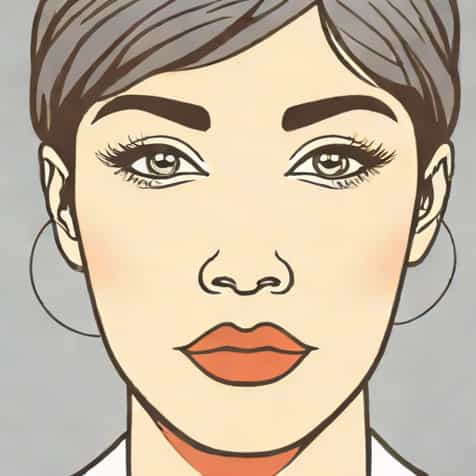
The Fitzpatrick skin type is a classification system that helps dermatologists, aestheticians, and medical professionals understand how different skin tones react to sun exposure and various treatments. Developed in 1975 by Dr. Thomas Fitzpatrick, this system organizes skin into six categories, ranging from very fair to very dark. It is widely used today to determine the risk of sunburn, the likelihood of tanning, and the best approach for skin care routines, cosmetic procedures, and medical treatments. Understanding your Fitzpatrick skin type can provide insight into how to protect your skin from damage, prevent premature aging, and choose appropriate products or treatments.
Understanding the Fitzpatrick Skin Type System
The Fitzpatrick skin type system is not only about identifying skin tone based on color but also about assessing how the skin responds to ultraviolet (UV) light. It evaluates two main factors the skin’s baseline color and its reaction to sun exposure. This dual approach makes it valuable for predicting the risks of sunburn, pigmentation disorders, and even skin cancer. The system ranges from Type I, which burns easily and never tans, to Type VI, which rarely burns and tans deeply.
The Six Fitzpatrick Skin Types
Type I
Type I is the fairest category. People with this skin type usually have very pale skin, often with freckles, light eyes, and red or blonde hair. Their skin always burns and never tans when exposed to the sun. Because of this, they are at the highest risk for sun damage and skin cancers such as melanoma. Daily sunscreen use and protective clothing are essential for this group.
Type II
Type II individuals also have fair skin but slightly more pigment than Type I. They often have light-colored eyes and blonde or light brown hair. While their skin might tan minimally, they typically burn easily. Extra caution with sun exposure is recommended, along with broad-spectrum sunscreen and shade-seeking habits.
Type III
Type III is considered a medium skin tone. People with this type often have darker blonde or brown hair and brown or hazel eyes. Their skin sometimes burns but is capable of tanning gradually to a light brown shade. They have a moderate risk of sun damage but should still take preventive measures to avoid premature aging and pigmentation issues.
Type IV
Type IV skin is olive or light brown in color. People in this group usually tan easily and rarely burn. They may have darker hair and brown eyes. While their risk of sunburn is lower, they are more prone to hyperpigmentation, melasma, and uneven skin tone, especially after sun exposure. Sunscreen is still necessary to maintain healthy skin.
Type V
Type V is characterized by brown or dark brown skin that tans easily and rarely burns. Individuals with this type usually have dark hair and dark eyes. While they have natural protection against UV radiation, they are more susceptible to post-inflammatory hyperpigmentation, where dark spots appear after acne or injury. Protecting the skin with sunscreen and proper skincare can prevent discoloration.
Type VI
Type VI includes very dark brown to deep black skin tones. People in this category almost never burn and tan very deeply. Their higher levels of melanin provide natural protection against UV rays, but they can still develop skin issues such as keloids, dark spots, and uneven pigmentation. Regular skin checks are important since skin cancer, although less common, can be detected later in this group.
Why the Fitzpatrick Skin Type Matters
Knowing your Fitzpatrick skin type is not just about labeling your complexion-it has practical applications in both everyday skincare and medical treatments. For example, dermatologists use the system to estimate the risk of sunburn and recommend appropriate sun protection strategies. Cosmetic professionals rely on it when performing procedures like chemical peels, microneedling, or laser treatments, since some skin types are more prone to scarring or pigmentation changes. In medical fields, it also helps in determining the right approach for phototherapy and other light-based treatments.
Sun Protection and Skin Health
Sun safety is critical for every Fitzpatrick skin type, though the level of risk differs. People with lighter skin are more prone to burns and cancers, while those with darker skin may experience pigmentation concerns. Regardless of type, everyone benefits from daily sunscreen use, protective clothing, and limiting direct sun exposure during peak hours. Incorporating these habits not only protects against UV damage but also helps maintain an even, youthful complexion.
Fitzpatrick Skin Type and Cosmetic Procedures
The Fitzpatrick classification is especially important in cosmetic and dermatological procedures involving lasers or chemical treatments. Certain lasers that work well on lighter skin types may cause burns or discoloration in darker tones. Similarly, chemical peels might need adjustment depending on how the skin reacts to inflammation and healing. By understanding the skin type, professionals can reduce risks and achieve safer, more effective results.
How to Identify Your Skin Type
Determining your Fitzpatrick skin type usually involves a questionnaire that asks about your natural eye color, hair color, skin tone, and how your skin reacts to sun exposure. Questions may include whether your skin burns easily, how quickly you tan, and whether you develop freckles. A dermatologist or skincare professional can provide an accurate assessment, though many people can estimate their type with self-evaluation.
Challenges and Limitations
While the Fitzpatrick skin type system is widely used, it does have limitations. It was originally developed based on lighter skin tones and may not capture the full diversity of skin around the world. Some people may not fit neatly into one category, especially those of mixed heritage. Additionally, lifestyle factors such as sun exposure habits and skincare routines can influence how skin reacts over time. Despite these challenges, it remains a useful guide in dermatology and aesthetics.
Practical Tips for Each Skin Type
- Type I and IIPrioritize daily sunscreen, wear hats and protective clothing, and schedule regular skin checks.
- Type III and IVUse sunscreen consistently, especially when outdoors, and treat early signs of pigmentation with professional guidance.
- Type V and VIFocus on preventing dark spots and uneven tone by using sun protection and gentle skincare products.
The Fitzpatrick skin type system remains a cornerstone in understanding how skin reacts to sunlight and treatments. By identifying your type, you can take proactive steps to protect your skin, prevent damage, and choose products or procedures that suit your unique needs. Whether you have very fair skin that burns quickly or deeply pigmented skin that tans easily, awareness of your Fitzpatrick type empowers you to make informed decisions about your health and beauty routine. In the long run, this knowledge can support not only skin protection but also confidence and overall well-being.