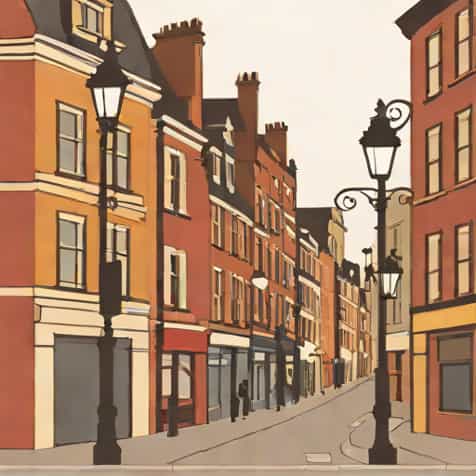
The Gaslight District is a name that often sparks curiosity, especially for those interested in history, urban culture, and nightlife. At its core, the Gaslight District refers to historic neighborhoods or entertainment areas that take inspiration from the 19th century, when gas lamps lined city streets and created a unique atmosphere. Today, places that use the title Gaslight District are often associated with vibrant nightlife, music, dining, and cultural heritage. The concept blends nostalgia with modern entertainment, offering visitors a mix of old-world charm and contemporary energy. To fully understand what the Gaslight District is, it is helpful to explore its origins, cultural significance, and modern-day interpretations.
Historical Background of Gaslight Streets
Before electric streetlights became common, many cities in Europe and America relied on gas lamps to light up streets. Gas lighting transformed urban life in the 19th century, making streets safer at night and fostering social activity after dark. Neighborhoods with clusters of these lights became gathering places for both residents and visitors. Over time, some areas retained this identity, and even in modern times, districts inspired by the gaslight era have kept the name as a nod to tradition.
The Rise of Gas Lamps
Gas lamps were first introduced in the early 1800s and quickly spread across major cities. They symbolized progress, technology, and urban development. Streets illuminated by gaslight became social hubs, encouraging evening strolls, late-night gatherings, and businesses that thrived after dark.
Gaslight as a Symbol of Nostalgia
Even after electric lighting replaced gas lamps, the glow of gaslight came to represent nostalgia for the past. Districts and neighborhoods that brand themselves as Gaslight often recreate this atmosphere to attract visitors looking for a mix of history and modern leisure.
What Makes a Gaslight District
The phrase Gaslight District does not point to one single location but to a type of urban neighborhood or entertainment area. Several cities in the United States, for example, have a district by this name. Each shares common traits that make the label fitting.
- Historic or vintage architecture, often preserved or restored.
- Entertainment venues such as theaters, music halls, and clubs.
- Restaurants, bars, and cafes that stay open late into the night.
- A lively pedestrian-friendly environment illuminated by gas-style lamps.
Blend of Old and New
Gaslight Districts typically blend the historic feel of 19th-century streets with modern businesses and nightlife. This contrast is part of what makes them appealing to both tourists and locals.
Examples of Gaslight Districts
While the name might be used in different cities, some places have become particularly well-known for their Gaslight Districts. They serve as prime examples of how the concept has been adapted in the modern era.
Gaslight District in San Diego
San Diego’s Gaslamp Quarter, often referred to as the Gaslight District, is one of the most famous examples. Known for its Victorian-era architecture and lively nightlife, this neighborhood is a cultural hotspot. It is home to a wide variety of restaurants, nightclubs, and theaters, making it a prime destination for visitors to Southern California.
Gaslight District in Cincinnati
Cincinnati’s Gaslight District in the Clifton neighborhood offers a different atmosphere. Known for its historic homes, boutique shops, independent theaters, and cozy cafes, it has a more intimate charm. The area highlights how a Gaslight District can be both residential and commercial, combining community living with cultural attractions.
Other Cities with Gaslight Districts
Various smaller cities and towns across the United States have adopted the Gaslight name to brand their historic districts or entertainment neighborhoods. Each one adapts the theme to fit local culture and history.
The Cultural Meaning of the Gaslight District
The Gaslight District is not just about nightlife-it also symbolizes the importance of heritage and urban identity. By adopting the imagery of gas lamps and old-fashioned streets, these districts remind people of the value of preserving history while embracing modern lifestyles.
A Center for Tourism
For many cities, the Gaslight District is a major tourist attraction. Visitors are drawn to the unique combination of architecture, history, and vibrant social life. Walking down gaslit streets creates an immersive experience that feels different from standard urban neighborhoods.
A Hub for Community Life
In addition to serving as tourist destinations, Gaslight Districts often play an important role in local community life. Residents enjoy easy access to cultural events, dining, and public gatherings, making the district both practical and lively.
Economic Importance
Gaslight Districts contribute significantly to local economies. Restaurants, bars, boutiques, and entertainment venues generate revenue, while the district itself attracts visitors who spend money in the surrounding area.
- Hospitality IndustryHotels and accommodations thrive near Gaslight Districts.
- Retail GrowthIndependent stores and boutiques find success in the pedestrian-friendly environment.
- Event HostingFestivals, parades, and cultural events often take place in these districts, drawing large crowds.
The Atmosphere of Gaslight Districts
What sets Gaslight Districts apart is their atmosphere. The combination of vintage charm, warm lighting, and active nightlife makes them memorable places to visit. Whether someone is looking for fine dining, live music, or simply a nighttime stroll, the Gaslight District offers it all.
Lighting as Identity
Gaslight or gas-style lamps are central to the district’s branding. Even when electric bulbs are used, the design of the lamps creates the illusion of traditional gaslight, giving streets a cozy, timeless glow.
Architectural Beauty
Many Gaslight Districts preserve or restore Victorian or early 20th-century architecture. These buildings add character and depth to the environment, enhancing the overall experience for visitors.
Challenges Faced by Gaslight Districts
Like many entertainment and cultural areas, Gaslight Districts face challenges such as overcrowding, rising costs, and balancing historic preservation with modern development. Ensuring that these neighborhoods maintain their charm while meeting the demands of contemporary life is an ongoing effort.
Preservation vs. Modernization
One of the biggest debates involves how much modernization should be allowed. Some argue that too many new developments may erase the historic feel, while others believe progress is necessary to keep the district vibrant and relevant.
Managing Tourism
High visitor numbers can sometimes overwhelm local infrastructure. City planners must balance economic benefits with sustainability to protect the character of the district.
Why Gaslight Districts Remain Popular
Despite these challenges, Gaslight Districts remain popular because they offer something unique. They are places where history and culture come alive, where people can enjoy both tradition and entertainment. The combination of architecture, atmosphere, and activity ensures that they continue to attract attention.
The Gaslight District is more than just a name-it is an experience that connects the past with the present. Rooted in the history of 19th-century gas lighting, these districts have grown into vibrant centers of culture, community, and nightlife. Whether in San Diego, Cincinnati, or smaller towns, the Gaslight District represents a blend of nostalgia and modern energy that appeals to people of all ages. Understanding what the Gaslight District is means appreciating its historical roots, cultural importance, and continuing role in shaping urban life today.