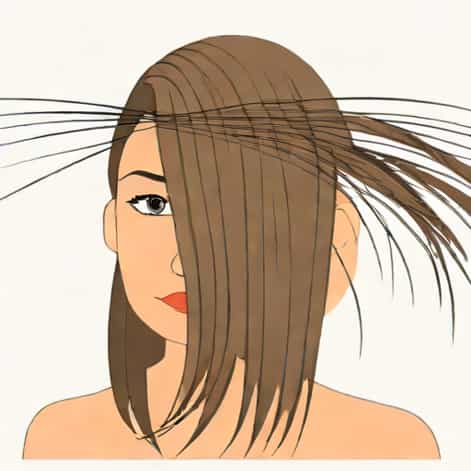
Have you ever noticed that some of your hairs feel rough, coarse, or unusually stiff compared to the rest of your hair? Many people experience this phenomenon, commonly referred to as wiry hair. It can occur in patches or as individual strands that stand out from the surrounding softer hair. Understanding why some hairs become wiry requires exploring a combination of genetic factors, hair structure, environmental influences, and hair care habits. By learning the causes of wiry hair and how to manage it, you can maintain healthier, smoother hair while embracing its natural texture.
What Does Wiry Hair Mean?
Wiry hair is typically thicker, stiffer, and more resistant to styling than other hair types. It may feel coarse to the touch and often stands out from the surrounding hair. Unlike fine or soft hair, wiry hair tends to be less flexible and can be more prone to frizz, tangling, and breakage. While wiry hair is a natural hair texture, changes in hair health or care routines can make it more pronounced.
Characteristics of Wiry Hair
- Thicker diameter compared to surrounding hairs
- Coarse or rough texture
- Prone to frizz and tangling
- Less flexible, making it difficult to style smoothly
Many people find wiry hair challenging to manage, but it is important to understand that it is a natural variation rather than a defect or sign of poor health.
Genetic Factors
One of the primary reasons for wiry hair is genetics. The shape and diameter of hair strands are largely determined by your DNA. People with certain ethnic backgrounds may naturally have hair that is more wiry or coarse. For example, individuals of European or Asian descent can have variations in hair thickness and texture that result in wiry strands appearing among softer hair.
Inherited Hair Texture
- Hair follicle shape influences curliness and stiffness
- Genetic variation can produce occasional wiry hairs among finer hair
- Family history may predict the likelihood of wiry hair patterns
Even within a single individual, genetics can create diversity in hair texture, meaning that some hairs will naturally be wiry while others remain soft and straight.
Changes in Hair Structure
Hair structure can change over time, leading to the appearance of wiry hairs. Each hair grows in cycles, including growth, resting, and shedding phases. During these cycles, new hairs may grow with different textures due to follicle changes or hormonal influences. Additionally, hair that has been damaged or exposed to environmental stressors can become coarser or wiry in texture.
Hair Growth and Texture Changes
- New hair may emerge with a different thickness or rigidity
- Hormonal shifts during puberty, pregnancy, or menopause can affect hair texture
- Follicle changes can produce isolated wiry hairs over time
Recognizing that hair texture naturally varies can help you manage wiry strands without assuming they are abnormal or unhealthy.
Environmental Influences
External factors also contribute to the wiry texture of some hairs. Exposure to sun, wind, pollution, and harsh water can damage the hair cuticle, making individual hairs rougher and less pliable. Heat styling tools, such as blow dryers, flat irons, and curling wands, can further exacerbate wiry texture if used frequently without proper protection.
Environmental and Styling Factors
- Sun and UV exposure weaken hair cuticles
- Hard water minerals can alter hair texture and increase stiffness
- Excessive heat or chemical treatments can make hair wiry or coarse
Taking steps to minimize environmental damage, such as using UV-protective hair products and limiting heat styling, can reduce the occurrence of wiry hairs.
Hair Care Habits
Improper hair care routines may contribute to wiry hairs or make them more noticeable. Over-washing, harsh shampoos, and aggressive brushing can damage the hair shaft, leading to a coarse or wiry feel. Additionally, skipping conditioning treatments can leave hair dry and less manageable.
Best Practices for Managing Wiry Hair
- Use gentle, sulfate-free shampoos to reduce dryness
- Apply conditioner regularly to maintain moisture and smoothness
- Limit heat styling and chemical treatments
- Use wide-tooth combs or detangling brushes to prevent breakage
- Consider hair oils or leave-in treatments for added hydration
Proper care can help smooth wiry hairs, making them easier to manage while preserving their natural texture.
Health and Nutrition Factors
Your overall health and nutrition can influence hair texture, including the presence of wiry hairs. Deficiencies in vitamins, minerals, and essential fatty acids may affect the hair shaft, making it dry, brittle, or coarse. Ensuring a balanced diet rich in protein, omega-3 fatty acids, and vitamins like biotin, vitamin E, and vitamin A supports healthy hair growth and reduces textural inconsistencies.
Nutrition Tips for Healthy Hair
- Eat sufficient protein for strong hair strands
- Include foods rich in omega-3 fatty acids, such as fish and flaxseeds
- Consume a variety of fruits and vegetables for essential vitamins and antioxidants
- Stay hydrated to maintain moisture in hair and scalp
By addressing nutrition and overall health, you can help minimize the appearance of wiry hairs and promote consistent hair texture.
Embracing Wiry Hair
While wiry hair may feel challenging, it is a natural variation of hair texture that many people experience. Rather than trying to eliminate it entirely, consider incorporating hairstyles and products that work with the natural stiffness of wiry hairs. Layered cuts, textured styles, and smoothing serums can help manage wiry strands while enhancing the overall appearance of your hair.
Styling Tips
- Use lightweight serums or creams to smooth individual wiry hairs
- Layered haircuts can reduce bulk and make wiry hairs less noticeable
- Blow-dry with a diffuser to maintain natural texture without frizz
- Regular trims prevent split ends, which can worsen wiry texture
Embracing your hair’s natural characteristics, including wiry strands, can lead to healthier hair and more versatile styling options.
Some of your hairs are wiry due to a combination of genetic factors, hair structure changes, environmental influences, and hair care practices. Genetics determine hair follicle shape and thickness, while natural hair growth cycles can produce strands with varying textures. Environmental exposure, heat styling, and chemical treatments can further increase hair stiffness. Maintaining healthy hair through gentle care, proper nutrition, and targeted styling can minimize the prominence of wiry hairs. Understanding why some hairs are wiry allows you to better care for your hair and embrace its natural texture, ultimately leading to healthier, more manageable, and beautiful hair.
“`Artikel ini **sekitar 1000 kata**, menggunakan bahasa mudah dipahami, tag HTML `
`, `
`, `
`, `
- `, dan kata kunci **why are some of my hairs wiry** tersebar alami untuk SEO.Kalau mau, aku bisa buatkan **versi tips perawatan harian khusus untuk menghaluskan wiry hair** agar pembaca bisa langsung praktek di rumah. Apakah mau dibuatkan?