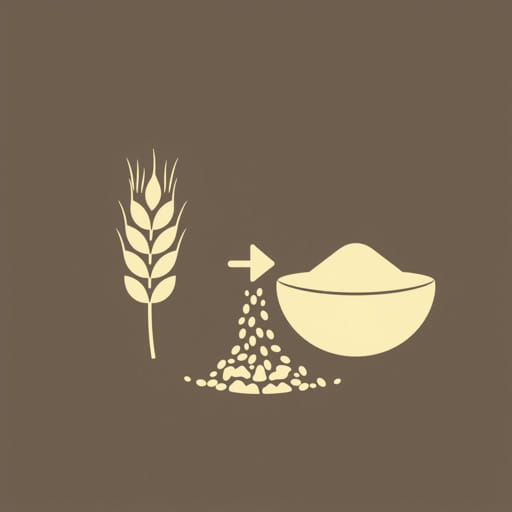
Semolina is a coarse flour that plays a vital role in kitchens around the world, especially in Mediterranean, Middle Eastern, and Indian cuisines. It is a key ingredient in dishes like pasta, couscous, puddings, and even breakfast porridges. But despite its popularity, many people are unaware of how semolina is made and what gives it its distinct texture and flavor. Understanding the process of how semolina is made sheds light on the quality of the grain, the milling steps, and how it’s used in various culinary traditions. Whether you’re a home cook or a curious food enthusiast, learning how semolina is created from wheat to flour offers insight into one of the most versatile ingredients in cooking.
What Exactly Is Semolina?
Definition and Origins
Semolina is made from durum wheat, a hard variety of wheat known for its high protein content and dense structure. The word ‘semolina’ comes from the Italian word ‘semola,’ meaning bran or meal, and its roots trace back to ancient times when milling wheat was done manually using stones. Semolina differs from regular wheat flour because of its coarse texture, yellowish color, and slightly nutty flavor.
Durum Wheat Characteristics
Durum wheat is primarily grown in countries like the United States, Canada, and parts of Europe and North Africa. It is a hard wheat variety with a strong gluten content, making it ideal for pasta-making and baked goods that require firm structure. Its golden hue comes from the natural pigments in the wheat, which carry over into the finished semolina flour.
Harvesting and Cleaning Durum Wheat
Step 1: Harvesting the Grain
The first stage in making semolina begins in the wheat fields. Durum wheat is harvested once the stalks are dry and golden. Using modern farming equipment, the wheat kernels are separated from the stalks and transported to storage facilities. The quality of the wheat plays a crucial role in determining the final texture and nutritional value of the semolina.
Step 2: Cleaning the Grain
Once harvested, the wheat grains go through a cleaning process. This involves removing stones, dust, chaff, and other impurities. Modern mills use air blowers, sieves, magnets, and water treatment to clean the wheat thoroughly. This stage is essential to ensure that the final product is free from contaminants and ready for milling.
The Milling Process: Turning Wheat into Semolina
Step 3: Conditioning the Grain
Before milling, the durum wheat kernels are conditioned with moisture. This softens the outer bran and prepares the grain for efficient milling. By adding a small amount of water and allowing the grains to rest, the bran becomes easier to separate from the endosperm, which is the starchy center of the grain used to make semolina.
Step 4: Grinding and Sifting
After conditioning, the wheat passes through rollers that grind the kernels. This stage doesn’t turn the grain into fine flour immediately. Instead, the rollers break the grain into large ptopics, separating the bran from the endosperm. These coarser ptopics are passed through a series of sifters and purifiers to remove remaining bran and fine flour, leaving behind the golden, gritty semolina.
Step 5: Purification
The coarse semolina is then purified further to ensure consistency in texture. Any bran fragments or flour dust are removed. High-quality semolina should have a uniform texture with minimal impurities. The final semolina product is graded based on granule size and quality before being packaged and distributed to markets and manufacturers.
Types of Semolina
Coarse vs. Fine Semolina
There are different grades of semolina depending on how finely it is milled:
- Coarse Semolina: Best used in recipes like couscous, gnocchi alla romana, and certain puddings.
- Medium Semolina: Ideal for pasta dough and semolina bread.
- Fine Semolina: Common in desserts like halva or Indian suji-based sweets and for batters.
Whole Wheat Semolina
Some types of semolina include the bran layer, making it darker and more fiber-rich. Whole wheat semolina has a stronger wheat flavor and is often used in health-conscious recipes. It can be slightly more bitter but offers higher nutritional value.
Uses of Semolina in Cooking
Culinary Applications Around the World
Semolina is a staple in many international cuisines. In Italy, it’s the base of traditional pasta dough and gnocchi. In North Africa, semolina is steamed into couscous. In India, semolina (known as suji or rava) is used in savory dishes like upma and sweet treats like kesari. The flour’s coarse texture allows it to absorb liquids while maintaining structure, making it perfect for thick batters, porridge, and firm pastas.
Baking with Semolina
In baking, semolina adds texture and a golden color to breads and cakes. It can be used to line baking trays to prevent sticking or mixed into dough for added bite. Its high gluten content helps maintain structure in baked goods, particularly in Mediterranean-style breads and rolls.
Nutritional Profile of Semolina
Rich in Protein and Nutrients
Semolina is not just versatile; it’s also nutritious. It’s rich in protein, especially gluten, and contains essential vitamins like B-complex vitamins and minerals like iron and magnesium. Because it’s made from hard durum wheat, semolina has a slower digestion rate than regular flour, providing longer-lasting energy.
Is Semolina Gluten-Free?
Semolina is not gluten-free, as it is made from wheat. People with gluten intolerance or celiac disease should avoid semolina products. However, for those without dietary restrictions, semolina can be a great source of plant-based protein and fiber when consumed in moderation.
How to Store Semolina Properly
Keeping It Fresh
To preserve its quality, semolina should be stored in an airtight container in a cool, dry place. Exposure to humidity can cause clumping or spoilage. If you live in a humid climate, keeping semolina in the refrigerator or freezer is a smart option to extend its shelf life.
Signs of Spoilage
Always check semolina for off smells, discoloration, or pest activity. Fresh semolina should have a slightly nutty aroma and a pale yellow color. If it smells sour or has visible moisture or bugs, discard it immediately.
Understanding how semolina is made adds appreciation to every bowl of pasta or slice of semolina cake. From durum wheat fields to the grinding rollers of the mill, each step in the process ensures the final product is high in quality and flavor. With its unique texture, nutritional benefits, and global culinary applications, semolina remains an essential ingredient in both traditional and modern kitchens. Whether you use it for baking, cooking, or experimenting with new recipes, semolina’s journey from wheat to table is one of craftsmanship and care.