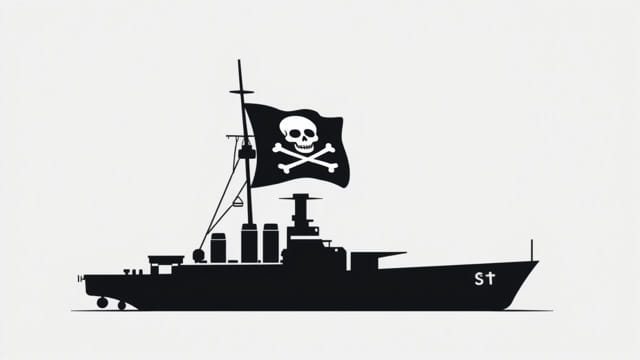
The USS Kidd, one of the most iconic ships in U.S. naval history, earned a unique reputation during World War II not only for its bravery and resilience, but also for the Jolly Roger pirate flag that flew boldly from its mast. This bold gesture stood out in a fleet known for discipline and uniformity, giving the ship a personality all its own. Named after Rear Admiral Isaac C. Kidd, who was killed aboard the USS Arizona at Pearl Harbor, the Kidd carried a strong legacy into battle. But it was the pirate imagery that helped define its identity, symbolizing daring, independence, and the spirit of adventure on the high seas.
The Origins of the USS Kidd
Commissioning and Naming
USS Kidd (DD-661) was a Fletcher-class destroyer launched on February 28, 1943, and commissioned into the United States Navy on April 23, 1943. Named in honor of Rear Admiral Isaac C. Kidd, the first American flag officer to die in World War II, the ship entered service with high expectations. The choice of name was particularly fitting Kidd evoked images of the famous Scottish pirate William Kidd, known as Captain Kidd. This coincidence inspired the crew to adopt pirate imagery for their vessel.
Adopting the Jolly Roger
Shortly after the ship was commissioned, the crew began painting a large Jolly Roger skull and crossbones on the forward smokestack. This wasn’t just for show. The destroyer’s fierce battle spirit was reflected in this bold symbol. The Jolly Roger soon became the ship’s unofficial emblem, giving USS Kidd its nickname: ‘The Pirate of the Pacific.’
The Symbolism of the Jolly Roger
What the Flag Represented
The Jolly Roger flag, historically flown by pirates to instill fear in enemies, was a symbol of rebellion and boldness. For the sailors aboard USS Kidd, it came to represent bravery, camaraderie, and a fighting spirit that challenged tradition. Flying the pirate flag also signified a refusal to back down in the face of overwhelming odds.
- Moral Booster: The flag became a source of pride for the crew, lifting morale during long, tense operations.
- Unit Identity: It gave the ship a unique character among the fleet, reinforcing a sense of unity.
- Legacy Connection: It linked the destroyer to the legacy of Admiral Kidd and to naval tradition with a modern twist.
Combat Record of USS Kidd
World War II Engagements
USS Kidd saw extensive combat in the Pacific Theater. She supported major operations, including the invasions of the Gilbert Islands, Marshall Islands, Marianas, and the Philippines. The ship provided anti-aircraft support, escorted aircraft carriers, and performed shore bombardments. Notably, the Kidd survived a deadly kamikaze attack off Okinawa in April 1945, which killed 38 crew members and injured many others. Despite severe damage, the ship stayed afloat and was repaired.
Korean War Service
Reactivated in the 1950s, USS Kidd served again during the Korean War. She patrolled waters near North Korea, screened carriers, and provided fire support for ground troops. Although her pirate flag was unofficial, the ship’s battle-hardened image remained intact, and the legacy of the Jolly Roger endured.
USS Kidd’s Crew and Pirate Spirit
Culture Onboard
Life aboard the Kidd was not just about warfare it was about pride and purpose. The pirate theme became part of the crew’s identity. Sailors embraced it in their routines, painting pirate art throughout the ship, using it in newsletters, and calling themselves pirates in jest. This playful theme fostered a unique bond among the crew and kept morale high even during dangerous missions.
Heroism and Sacrifice
Throughout its years of active service, the crew of USS Kidd demonstrated immense courage. The Jolly Roger came to symbolize not lawlessness, but loyalty and valor. These sailors were anything but rebels they were disciplined warriors with a sense of humor and a fierce will to survive.
Legacy and Museum Ship
Preservation in Baton Rouge
After being decommissioned for the final time in 1964, USS Kidd was preserved as a museum ship. Today, it rests in Baton Rouge, Louisiana, as part of the USS Kidd Veterans Museum. It remains one of the best-preserved World War II destroyers in the U.S., offering visitors a glimpse into the life of sailors during wartime.
Jolly Roger Lives On
The iconic Jolly Roger still flies from her mast, keeping alive the ship’s spirit. Visitors often remark on how the flag sets USS Kidd apart from other historical vessels. It reminds all who board that this was not just a warship, but a symbol of courage, personality, and tradition.
Historical Significance
Why USS Kidd Stands Out
While many ships fought bravely during World War II, USS Kidd’s unique persona and use of pirate imagery made her one of the most memorable. She was not only a powerful military vessel but also a floating symbol of independence and bravery. The Jolly Roger gave her a recognizable face and a lasting legacy in naval history.
A Tribute to Admiral Kidd
By adopting the pirate motif, the ship paid homage to Admiral Isaac C. Kidd in both name and spirit. Though whimsical, the imagery reinforced the seriousness of duty and the weight of sacrifice. Admiral Kidd’s legacy, and the lives of those lost at Pearl Harbor, were honored each time the ship sailed into battle.
The Jolly Roger of USS Kidd remains a powerful emblem of a destroyer that defied expectations. From fierce battles in the Pacific to its preservation as a museum ship, the Kidd has captured imaginations and hearts. The pirate flag, far from a symbol of chaos, became one of pride, unity, and courage. USS Kidd’s story proves that even in the strict world of naval warfare, a little individuality can inspire greatness and create an unforgettable legacy.
Let me know if you want to add a title, meta description, or keyword section for further SEO optimization!