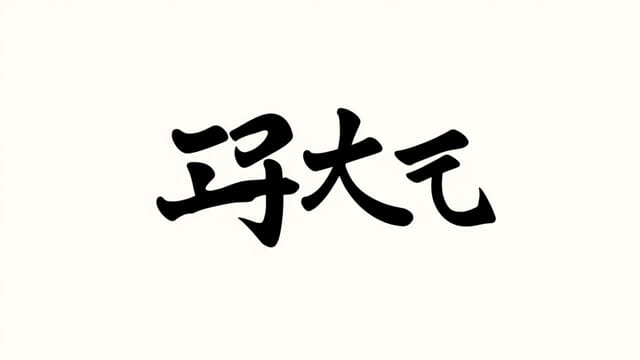
The Japanese language is rich with expressions that capture emotions, natural disasters, social conditions, and even philosophical concepts with deep precision. One of the more serious and historically significant terms is the Japanese word for pestilence. Understanding how pestilence is expressed in Japanese involves more than just translation it requires an exploration of the culture, context, and history surrounding the word. The Japanese word for pestilence is not only a linguistic expression but also carries layers of connotation from ancient literature, mythology, and collective memory.
Understanding the Japanese Word for Pestilence
In Japanese, the word often used for pestilence isç«ç , which is pronounced asekibyÅ. It is a compound of two kanji:ç«(eki), meaning ‘epidemic’ or ‘plague,’ andç (byÅ), which means ‘illness’ or ‘disease.’ Together,ekibyÅrefers to a contagious disease or outbreak, commonly associated with historic plagues or modern pandemics.
This term can be found in classical Japanese literature and historical records where communities dealt with major outbreaks. The use ofekibyÅis not limited to medical texts it appears in poetry, spiritual writings, and folklore to represent both physical and spiritual calamity.
Breaking Down the Kanji
- ç« (Eki) This character signifies epidemic or plague. It is often used in terms that relate to widespread disease. The character itself contains the radical for illness (ç), suggesting a strong association with affliction.
- ç (ByÅ) This character is commonly seen in many Japanese medical and health-related terms. It simply means illness, sickness, or disease.
When combined, these characters deliver a term that represents not just a singular disease but something that spreads quickly and affects large populations, much like the English word ‘pestilence.’
Cultural Context and Historical Use
In ancient Japan, pestilence was believed to be caused not just by natural reasons but also by spiritual imbalance or wrath of deities. Many folk beliefs regarded pandemics as punishments or as signs from the gods. In this sense, the wordekibyÅcarried a sacred warning or message.
During the Heian period and other historical eras, when outbreaks occurred, the Japanese people would perform rituals to appease deities associated with disease. The termekijin(ç«ç¥) refers to a ‘plague god’ or spirit believed to spread pestilence. Such ideas deeply influenced the way the wordekibyÅwas perceived in those times.
Associated Words and Phrases
To fully understand the Japanese word for pestilence, it’s helpful to look at other terms associated with it:
- ç«ç¥ (Ekijin) Plague god; believed to bring or end pestilence.
- ç«ç ç¥ (EkibyÅgami) A spirit or deity that causes plague. Sometimes used metaphorically to describe someone who brings misfortune.
- ä¼æç (DensenbyÅ) Infectious disease; used more commonly in modern contexts.
- ææç (KansenshÅ) Another modern term for infectious disease or contagious illness.
WhileekibyÅis more classical and literary in nature, words likekansenshÅare frequently seen in healthcare, hospitals, and government documents today.
Modern Usage and Implications
In recent times, especially with the COVID-19 pandemic, the termekibyÅhas resurfaced in both media and public discourse. While medical professionals often opt for scientific terms likekansenshÅ, the older termekibyÅstill carries dramatic and historical weight, often used in news headlines or literature to emphasize severity.
In fiction or period dramas set in ancient Japan, characters might refer to outbreaks asekibyÅto stay true to the historical setting. It evokes an emotional response and gives authenticity to the narrative, reflecting fear and respect for disease.
Religious and Mythological Connections
In Shinto and Buddhist traditions, pestilence was sometimes seen as karmic retribution or the influence of vengeful spirits. Temples and shrines were built to ward off these spirits. For example, the Gion Festival in Kyoto, one of the most famous festivals in Japan, originated as a ritual to pacify plague gods and drive away pestilence from the city.
Here, the wordekibyÅbecomes more than a descriptor it transforms into a symbol of spiritual unease, a threat that must be confronted not only with medicine but also with prayer and ritual.
Japanese Word for Pestilence in Popular Culture
The dramatic weight of the termekibyÅmakes it ideal for use in creative works such as anime, manga, and novels. Writers and artists often use this word to describe fictional diseases or as a metaphor for social collapse, corruption, or inner turmoil.
Characters who embody destruction or chaos might be metaphorically referred to asekibyÅgami, giving them a mythological and menacing aura. This usage shows how the term continues to evolve in the modern imagination while retaining its historical essence.
Comparing to the English Word Pestilence
In English, pestilence is typically understood as a fatal epidemic or plague, especially one of historical magnitude such as the Black Death. Similarly,ekibyÅdoes not usually refer to everyday sickness but rather large-scale, devastating illnesses.
Both terms are more dramatic than the typical word for illness and are used to evoke strong emotional reactions. Their usage in literature and spiritual contexts further ties them together as powerful linguistic tools to discuss disease with cultural depth.
A Word Rich in History and Symbolism
The Japanese word for pestilence,ç«ç (ekibyÅ), is much more than a dictionary entry. It embodies centuries of cultural response to disease through fear, spirituality, literature, and even artistic expression. Whether found in ancient scrolls or modern anime, the word continues to carry a strong message about the human experience of facing the unknown.
For language learners, translators, and culture enthusiasts, understandingekibyÅopens a window into how Japan has historically perceived illness not only as a medical condition but also as a social and spiritual challenge. It’s a term that speaks to the collective memory of survival, loss, and the continuous journey to heal.